Motorkód
DSGC motorral szerelt járművek listája:
Mely autókban található a DSGC motor, és milyen motorolajat érdemes használni hozzá? A DSGC motor gyakori hibái, tünetei, diagnosztikája, megelőzése és javítása.
Ajánlott motorolaj a motorhoz DSGC motor leggyakoribb problémái, tünetei és javítási megoldásai.
Kérdezd meg a MI-t bármely motorkódról
Csak motorkódokkal kapcsolatos kérdések (márka/modell/motortípus/gyártási évek).

| Castrol EDGE 0W-20 LL IV | |
|---|---|
| ACEA C5/C6 | ✔️ |
| VW 508 00/509 00 | ✔️ |
| Porsche C20 | ✔️ |
| BMW LL-17 FE+ | ✔️ |
| MB 229.71/229.72 | ✔️ |
| Ford WSS-M2C956-A1 | ✔️ |
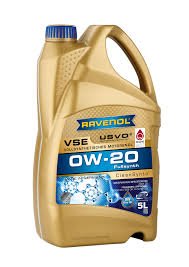
| RAVENOL VSE 0W-20 | |
|---|---|
| ACEA C5 / C6 | ✔️ |
| VW 508 00/509 00 | ✔️ |
| Porsche C20 | ✔️ |
| BMW LL-17 FE+ | ❌ |
| MB 229.71 / 229.72 | ❌ |
| Ford WSS-M2C956-A1 | ✔️ |
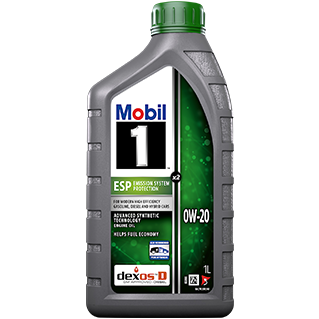
| Mobil 1 ESP x2 0W-20 | |
|---|---|
| ACEA C5/C6 | ✔️ |
| VW 508 00/509 00 | ✔️ |
| Porsche C20 | ✔️ |
| MB 229.71 | ✔️ |
| Ford WSS-M2C956-A1 | ✔️ |
| GM dexosD | ✔️ |
| BMW LL-17 FE+ | ❌ |

| Liqui Moly Top Tec 6200 0W-20 | |
|---|---|
| ACEA C5 | ❓ |
| VW 508 00/509 00 | ✔️ |
| Porsche C20 | ✔️ |
| Ford WSS-M2C956-A1 | ✔️ |
| BMW LL-17 FE+ | ❌ |
| MB 229.71 / 229.72 | ❌ |
Olajspecifikációk jelmagyarázata
✔️ – Megfelel az előírt specifikációnak
❓ – Nincs kifejezetten feltüntetve (óvatosan: ellenőrizd a jármű kézikönyvét)
❌ – Nem felel meg az előírt specifikációnak. Használata motorproblémákat okozhat.
✔️ – Megfelel az előírt specifikációnak
❓ – Nincs kifejezetten feltüntetve (óvatosan: ellenőrizd a jármű kézikönyvét)
❌ – Nem felel meg az előírt specifikációnak. Használata motorproblémákat okozhat.
Amazon partnerként jutalékot kaphatunk a megfelelő vásárlások után.
A választ az MI generálta.
Motorolaj-specifikációk DSGC motor
SAE 5W-30
VW 504.00
VW 507.00
A DSGC motor.
Engine DSGC
Symptoms:
- Rough idling or engine hesitation
- Reduced fuel efficiency
- Engine warning light illuminated
- Occasional stalling or misfires
- Unusual engine noises during acceleration
Diagnosis:
- Check for fault codes using an OBD-II scanner to identify specific sensor or system errors.
- Inspect spark plugs and ignition coils for wear or damage.
- Examine the fuel injectors for clogging or malfunction.
- Test the air intake system for leaks or blockages.
- Verify the condition of the engine’s timing components and sensors, such as the camshaft position sensor.
- Perform a compression test to assess engine mechanical health.
Fixes:
- Replace worn or fouled spark plugs and faulty ignition coils to restore proper combustion.
- Clean or replace clogged fuel injectors to ensure efficient fuel delivery.
- Repair any air intake leaks or replace damaged hoses to maintain correct air-fuel mixture.
- Update or reflash the engine control unit (ECU) software if recommended by the manufacturer.
- Replace faulty sensors detected during diagnosis to improve engine management.
- Address mechanical issues such as timing chain tensioner wear if identified.
- Regular oil changes with manufacturer-specified oil to maintain engine lubrication and prevent premature wear.
Prevention:
- Follow the manufacturer’s recommended maintenance schedule strictly, including timely oil and filter changes.
- Use high-quality fuel and avoid prolonged idling to reduce carbon buildup.
- Periodically inspect ignition components and replace them before failure.
- Keep the air filter clean and replace it as needed to prevent dirt ingress.
- Monitor engine performance regularly and address warning signs early to avoid major repairs.
- Ensure software updates are applied during routine servicing to optimize engine operation.
-NO INFO-