Engine code
Vehicles using DSGC engine list:
Which cars use the DSGC engine and what oil to use. Common DSGC engine faults, symptoms, diagnosis, prevention and repair.
Ask AI about any Engine code
Questions strictly about engine codes (brand/model/engine type/production years).

| Castrol EDGE 0W-20 LL IV | |
|---|---|
| ACEA C5/C6 | ✔️ |
| VW 508 00/509 00 | ✔️ |
| Porsche C20 | ✔️ |
| BMW LL-17 FE+ | ✔️ |
| MB 229.71/229.72 | ✔️ |
| Ford WSS-M2C956-A1 | ✔️ |
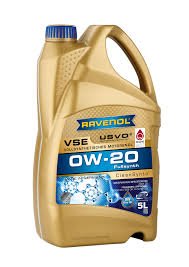
| RAVENOL VSE 0W-20 | |
|---|---|
| ACEA C5 / C6 | ✔️ |
| VW 508 00/509 00 | ✔️ |
| Porsche C20 | ✔️ |
| BMW LL-17 FE+ | ❌ |
| MB 229.71 / 229.72 | ❌ |
| Ford WSS-M2C956-A1 | ✔️ |
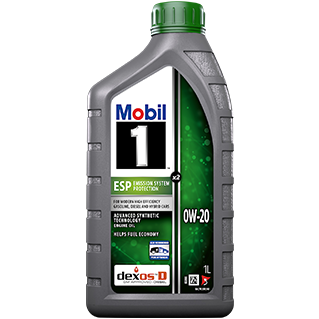
| Mobil 1 ESP x2 0W-20 | |
|---|---|
| ACEA C5/C6 | ✔️ |
| VW 508 00/509 00 | ✔️ |
| Porsche C20 | ✔️ |
| MB 229.71 | ✔️ |
| Ford WSS-M2C956-A1 | ✔️ |
| GM dexosD | ✔️ |
| BMW LL-17 FE+ | ❌ |

| Liqui Moly Top Tec 6200 0W-20 | |
|---|---|
| ACEA C5 | ❓ |
| VW 508 00/509 00 | ✔️ |
| Porsche C20 | ✔️ |
| Ford WSS-M2C956-A1 | ✔️ |
| BMW LL-17 FE+ | ❌ |
| MB 229.71 / 229.72 | ❌ |
Oil specification key
✔️ – Meets the required specification
❓ – Not explicitly stated (use caution; check your vehicle manual)
❌ – Does not meet required specification. Use may cause engine issues.
✔️ – Meets the required specification
❓ – Not explicitly stated (use caution; check your vehicle manual)
❌ – Does not meet required specification. Use may cause engine issues.
As an Amazon Associate, we may earn from qualifying purchases.
Answer generated by AI.
Oil specifications for DSGC engine
SAE 5W-30
VW 504.00
VW 507.00
Most common problems, symptoms & fixes for the DSGC engine.
Engine DSGC
Symptoms:
- Rough idling or engine hesitation
- Reduced fuel efficiency
- Engine warning light illuminated
- Occasional stalling or misfires
- Unusual engine noises during acceleration
Diagnosis:
- Check for fault codes using an OBD-II scanner to identify specific sensor or system errors.
- Inspect spark plugs and ignition coils for wear or damage.
- Examine the fuel injectors for clogging or malfunction.
- Test the air intake system for leaks or blockages.
- Verify the condition of the engine’s timing components and sensors, such as the camshaft position sensor.
- Perform a compression test to assess engine mechanical health.
Fixes:
- Replace worn or fouled spark plugs and faulty ignition coils to restore proper combustion.
- Clean or replace clogged fuel injectors to ensure efficient fuel delivery.
- Repair any air intake leaks or replace damaged hoses to maintain correct air-fuel mixture.
- Update or reflash the engine control unit (ECU) software if recommended by the manufacturer.
- Replace faulty sensors detected during diagnosis to improve engine management.
- Address mechanical issues such as timing chain tensioner wear if identified.
- Regular oil changes with manufacturer-specified oil to maintain engine lubrication and prevent premature wear.
Prevention:
- Follow the manufacturer’s recommended maintenance schedule strictly, including timely oil and filter changes.
- Use high-quality fuel and avoid prolonged idling to reduce carbon buildup.
- Periodically inspect ignition components and replace them before failure.
- Keep the air filter clean and replace it as needed to prevent dirt ingress.
- Monitor engine performance regularly and address warning signs early to avoid major repairs.
- Ensure software updates are applied during routine servicing to optimize engine operation.
-NO INFO-