Motorkód
AF0H05 motorral szerelt járművek listája:
Mely autókban található a AF0H05 motor, és milyen motorolajat érdemes használni hozzá? A AF0H05 motor gyakori hibái, tünetei, diagnosztikája, megelőzése és javítása.
Ajánlott motorolaj a motorhoz AF0H05 motor leggyakoribb problémái, tünetei és javítási megoldásai.
Kérdezd meg a MI-t bármely motorkódról
Csak motorkódokkal kapcsolatos kérdések (márka/modell/motortípus/gyártási évek).
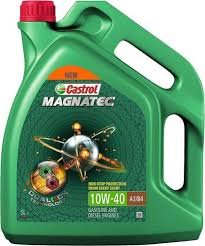
| Castrol MAGNATEC 10W-40 A3/B4 | |
|---|---|
| SAE 10W-40 | ✔ |
| ACEA A3/B3 | ✔ |
| ACEA A3/B4 | ✔ |
| API SN | ✔ |
| Fiat 9.55535-D2 | ✔ |
| MB-Approval 226.5 | ✔ |
| Renault RN0700 | ✔ |
| Renault RN0710 | ✔ |
| VW 501 01 | ✔ |
| VW 505 00 | ✔ |
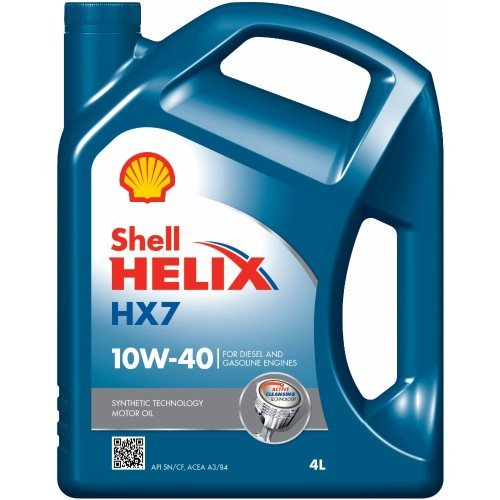
| Shell Helix HX7 10W-40 | |
|---|---|
| SAE 10W-40 | ✔ |
| ACEA A3/B3 | ✔ |
| ACEA A3/B4 | ✔ |
| API SN | ✔ |
| Fiat 9.55535-D2 | ❓ |
| MB-Approval 226.5 | ❓ |
| Renault RN0700 | ✔ |
| Renault RN0710 | ✔ |
| VW 501 01 | ❌ |
| VW 505 00 | ✔ |
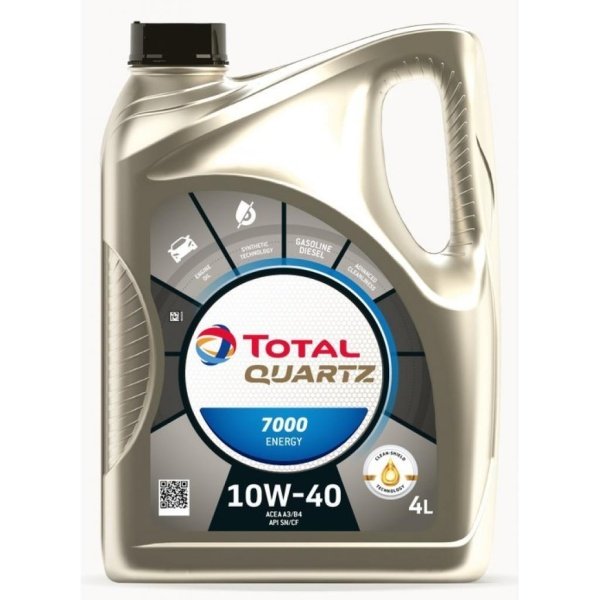
| Total Quartz 7000 10W-40 | |
|---|---|
| SAE 10W-40 | ✔ |
| ACEA A3/B3 | ❓ |
| ACEA A3/B4 | ✔ |
| API SN | ✔ |
| Fiat 9.55535-D2 | ❌ |
| MB-Approval 226.5 | ❓ |
| Renault RN0700 | ❌ |
| Renault RN0710 | ❌ |
| VW 501 01 | ✔ |
| VW 505 00 | ✔ |
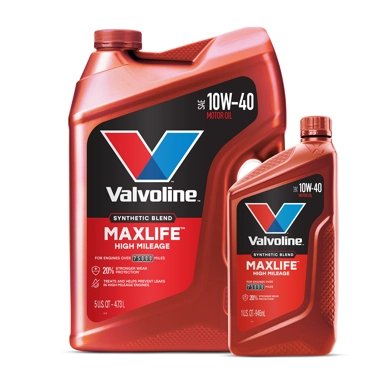
| Valvoline MaxLife 10W-40 | |
|---|---|
| SAE 10W-40 | ✔ |
| ACEA A3/B3 | ❓ |
| ACEA A3/B4 | ✔ |
| API SN | ✔ |
| Fiat 9.55535-D2 | ✔ |
| MB-Approval 226.5 | ❓ |
| Renault RN0700 | ✔ |
| Renault RN0710 | ✔ |
| VW 501 01 | ❌ |
| VW 505 00 | ✔ |
Olajspecifikációk jelmagyarázata
✔ – Megfelel az előírt specifikációnak
❓ – Nincs kifejezetten feltüntetve (óvatosan: ellenőrizd a jármű kézikönyvét)
❌ – Nem felel meg az előírt specifikációnak. Használata motorproblémákat okozhat.
✔ – Megfelel az előírt specifikációnak
❓ – Nincs kifejezetten feltüntetve (óvatosan: ellenőrizd a jármű kézikönyvét)
❌ – Nem felel meg az előírt specifikációnak. Használata motorproblémákat okozhat.
Amazon partnerként jutalékot kaphatunk a megfelelő vásárlások után.
A választ az MI generálta.
Motorolaj-specifikációk AF0H05 motor
SAE 10W-40
ACEA A3/B3
API SJ
A AF0H05 motor.
Engine AF0H05
Symptoms:
- Rough idling and hesitation during acceleration
- Engine misfires or occasional stalling
- Unusual knocking or ticking noises from the engine bay
- Decreased fuel efficiency and power output
- Check engine light illumination
Diagnosis:
- Inspect ignition system components such as spark plugs, coils, and wiring for wear or damage
- Perform a compression test to check for cylinder sealing issues
- Check for vacuum leaks around intake manifold and hoses
- Scan the engine control unit (ECU) for stored fault codes related to sensors or fuel injection
- Examine timing belt condition and tension, as wear can cause timing issues affecting performance
Fixes:
- Replace worn or fouled spark plugs and faulty ignition coils to restore proper combustion
- Repair or replace damaged vacuum hoses to eliminate air leaks
- Change the timing belt at recommended intervals to prevent timing-related engine problems
- Clean or replace clogged fuel injectors to ensure proper fuel delivery
- Address any sensor faults by replacing malfunctioning components such as the oxygen sensor or mass airflow sensor
- Perform routine oil changes with manufacturer-recommended oil to maintain engine lubrication and reduce wear
Prevention:
- Adhere strictly to the manufacturer’s maintenance schedule, especially timing belt replacement every 60,000 to 80,000 km
- Use high-quality fuel and engine oil to minimize deposits and wear
- Regularly inspect ignition components and replace them proactively before failure
- Keep the intake system clean and free from leaks to maintain optimal air-fuel mixture
- Monitor engine performance and address any irregularities promptly to avoid escalation into major repairs
By following these diagnostic steps and maintenance practices, owners of vehicles equipped with the AF0H05 engine can ensure reliable performance and longevity.
Symptoms:
- Rough idling and hesitation during acceleration
- Engine misfires or occasional stalling
- Unusual knocking or ticking noises from the engine bay
- Decreased fuel efficiency and power output
- Check engine light illumination
Diagnosis:
- Inspect ignition system components such as spark plugs, coils, and wiring for wear or damage
- Perform a compression test to check for cylinder sealing issues
- Check for vacuum leaks around intake manifold and hoses
- Scan the engine control unit (ECU) for stored fault codes related to sensors or fuel injection
- Examine timing belt condition and tension, as wear can cause timing issues affecting performance
Fixes:
- Replace worn or fouled spark plugs and faulty ignition coils to restore proper combustion
- Repair or replace damaged vacuum hoses to eliminate air leaks
- Change the timing belt at recommended intervals to prevent timing-related engine problems
- Clean or replace clogged fuel injectors to ensure proper fuel delivery
- Address any sensor faults by replacing malfunctioning components such as the oxygen sensor or mass airflow sensor
- Perform routine oil changes with manufacturer-recommended oil to maintain engine lubrication and reduce wear
Prevention:
- Adhere strictly to the manufacturer’s maintenance schedule, especially timing belt replacement every 60,000 to 80,000 km
- Use high-quality fuel and engine oil to minimize deposits and wear
- Regularly inspect ignition components and replace them proactively before failure
- Keep the intake system clean and free from leaks to maintain optimal air-fuel mixture
- Monitor engine performance and address any irregularities promptly to avoid escalation into major repairs
By following these diagnostic steps and maintenance practices, owners of vehicles equipped with the AF0H05 engine can ensure reliable performance and longevity.