Engine code
Vehicles using YMCC engine list:
Which cars use the YMCC engine and what oil to use. Common YMCC engine faults, symptoms, diagnosis, prevention and repair.
- FORD - Mondeo 2.0 EcoBlue AWD (140kW) 2018–2020
- FORD - Mondeo 2.0 EcoBlue (140kW) 2018–2020
- FORD - Mondeo 2.0 EcoBlue (140kW) (<-08/15/2021) 2020–2021
- FORD - Mondeo 2.0 EcoBlue AWD (140kW) (<-08/15/2021) 2020–2021
- FORD - Mondeo 2.0 EcoBlue (140kW) (08/15/2021->) 2021–2022
- FORD - Mondeo 2.0 EcoBlue AWD (140kW) (08/15/2021->) 2021–2022
Recommended oil for engine YMCC engine.
Ask AI about any Engine code
Questions strictly about engine codes (brand/model/engine type/production years).
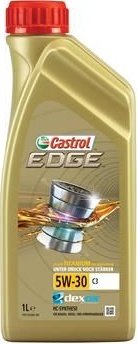
| Castrol EDGE 5W-30 C3 | |
|---|---|
| ACEA C3 | ✔ |
| API SN/CF | ✔ |
| VW 505.00 / 505.01 | ✔ |
| MB 229.31 / 229.51 | ✔ |
| Dexos2 | ✔ |
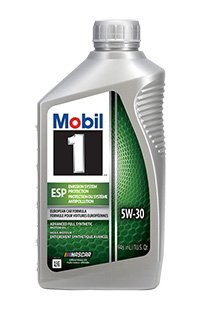
| Mobil 1 ESP Formula 5W-30 | |
|---|---|
| ACEA C3 | ✔ |
| API SN/CF | ✔ |
| VW 505.00 / 505.01 | ✔ |
| MB 229.31 / 229.51 | ✔ |
| GM dexos2 | ✔ |
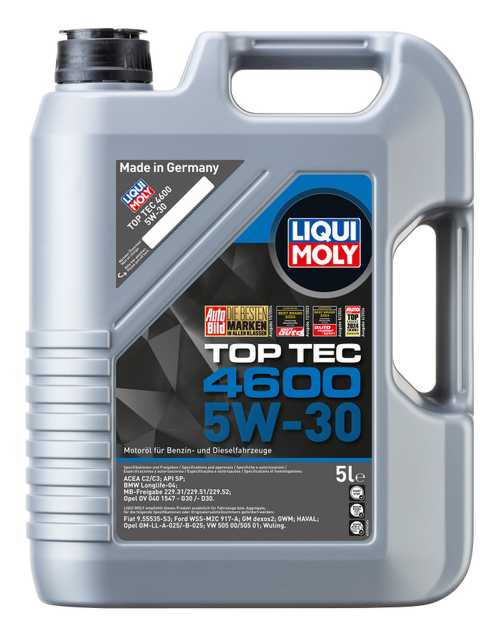
| Liqui Moly Top Tec 4600 5W-30 | |
|---|---|
| ACEA C3 | ✔ |
| API SN/CF | ✔ |
| VW 505.00 / 505.01 | ✔ |
| MB 229.31 / 229.51 | ✔ |
| GM dexos2 | ✔ |
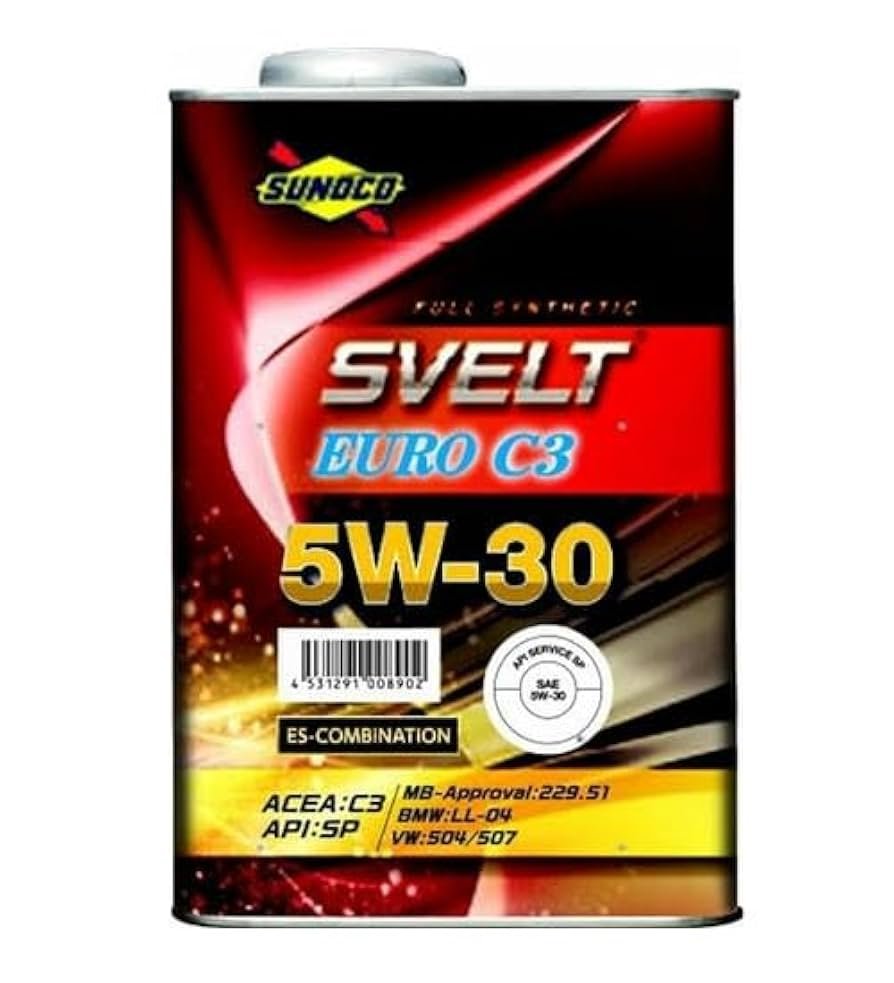
| Sunoco Ultra Full Synthetic Euro 5W-30 | |
|---|---|
| ACEA C3 | ✔ |
| API SN/CF | ✔ |
| VW 505.00 / 505.01 | ✔ |
| MB 229.31 / 229.51 | ✔ |
| GM dexos2 | ✔ |
Oil specification key
✔ – Meets the required specification
❓ – Not explicitly stated (use caution; check your vehicle manual)
❌ – Does not meet required specification. Use may cause engine issues.
✔ – Meets the required specification
❓ – Not explicitly stated (use caution; check your vehicle manual)
❌ – Does not meet required specification. Use may cause engine issues.
As an Amazon Associate, we may earn from qualifying purchases.
Answer generated by AI.
Oil specifications for YMCC engine
SAE 5W-30
ACEA C3
API SN
WSS-M2C917-A
Most common problems, symptoms & fixes for the YMCC engine.
Engine YMCC in the Ford Mondeo 2.0 EcoBlue (140kW) models is generally reliable but can face common issues like EGR valve clogging, turbocharger wear, and DPF (Diesel Particulate Filter) blockages. Diagnosis involves checking for fault codes via OBD-II, monitoring boost pressure, and inspecting the EGR system for soot buildup. Preventive measures include regular oil changes with manufacturer-approved oil, using high-quality diesel fuel, and periodic long drives to help regenerate the DPF. Solutions often require cleaning or replacing the EGR valve and DPF, and turbocharger inspection or replacement if performance drops. Timely maintenance ensures longevity and optimal performance.