Motorkód
G54B motorral szerelt járművek listája:
Mely autókban található a G54B motor, és milyen motorolajat érdemes használni hozzá? A G54B motor gyakori hibái, tünetei, diagnosztikája, megelőzése és javítása.
Ajánlott motorolaj a motorhoz G54B motor leggyakoribb problémái, tünetei és javítási megoldásai.
Kérdezd meg a MI-t bármely motorkódról
Csak motorkódokkal kapcsolatos kérdések (márka/modell/motortípus/gyártási évek).
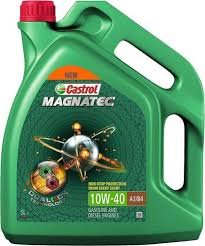
| Castrol MAGNATEC 10W-40 A3/B4 | |
|---|---|
| SAE 10W-40 | ✔ |
| ACEA A3/B3 | ✔ |
| ACEA A3/B4 | ✔ |
| API SN | ✔ |
| Fiat 9.55535-D2 | ✔ |
| MB-Approval 226.5 | ✔ |
| Renault RN0700 | ✔ |
| Renault RN0710 | ✔ |
| VW 501 01 | ✔ |
| VW 505 00 | ✔ |
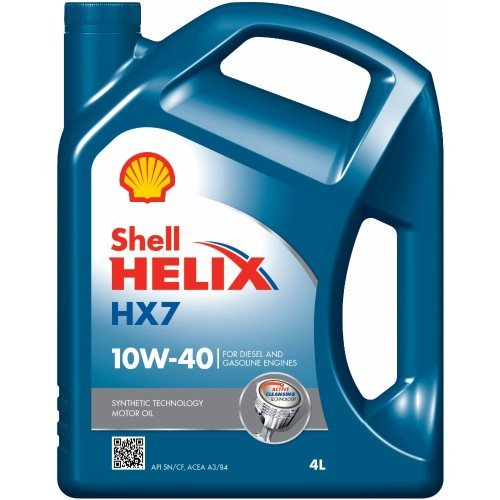
| Shell Helix HX7 10W-40 | |
|---|---|
| SAE 10W-40 | ✔ |
| ACEA A3/B3 | ✔ |
| ACEA A3/B4 | ✔ |
| API SN | ✔ |
| Fiat 9.55535-D2 | ❓ |
| MB-Approval 226.5 | ❓ |
| Renault RN0700 | ✔ |
| Renault RN0710 | ✔ |
| VW 501 01 | ❌ |
| VW 505 00 | ✔ |
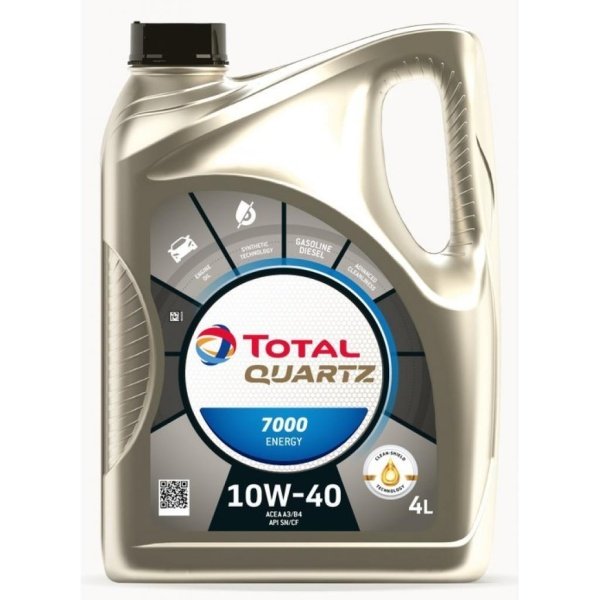
| Total Quartz 7000 10W-40 | |
|---|---|
| SAE 10W-40 | ✔ |
| ACEA A3/B3 | ❓ |
| ACEA A3/B4 | ✔ |
| API SN | ✔ |
| Fiat 9.55535-D2 | ❌ |
| MB-Approval 226.5 | ❓ |
| Renault RN0700 | ❌ |
| Renault RN0710 | ❌ |
| VW 501 01 | ✔ |
| VW 505 00 | ✔ |
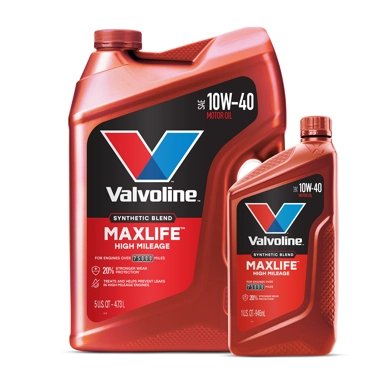
| Valvoline MaxLife 10W-40 | |
|---|---|
| SAE 10W-40 | ✔ |
| ACEA A3/B3 | ❓ |
| ACEA A3/B4 | ✔ |
| API SN | ✔ |
| Fiat 9.55535-D2 | ✔ |
| MB-Approval 226.5 | ❓ |
| Renault RN0700 | ✔ |
| Renault RN0710 | ✔ |
| VW 501 01 | ❌ |
| VW 505 00 | ✔ |
Olajspecifikációk jelmagyarázata
✔ – Megfelel az előírt specifikációnak
❓ – Nincs kifejezetten feltüntetve (óvatosan: ellenőrizd a jármű kézikönyvét)
❌ – Nem felel meg az előírt specifikációnak. Használata motorproblémákat okozhat.
✔ – Megfelel az előírt specifikációnak
❓ – Nincs kifejezetten feltüntetve (óvatosan: ellenőrizd a jármű kézikönyvét)
❌ – Nem felel meg az előírt specifikációnak. Használata motorproblémákat okozhat.
Amazon partnerként jutalékot kaphatunk a megfelelő vásárlások után.
A választ az MI generálta.
Motorolaj-specifikációk G54B motor
SAE 10W-40
API SJ
A G54B motor.
Engine G54B
Symptoms:
- Loss of power and poor acceleration
- Excessive smoke from the exhaust, especially black or blue smoke
- Rough idling or stalling
- Overheating or coolant leaks
- Unusual knocking or pinging noises from the engine
Diagnosis:
- Check for vacuum leaks and intake manifold gasket condition
- Inspect turbocharger for shaft play, oil leaks, or damaged blades
- Perform compression test to assess cylinder health
- Examine fuel injectors and fuel delivery system for clogging or leaks
- Inspect cooling system components including radiator, hoses, and thermostat
- Check ignition timing and spark plugs for wear or fouling
Fixes:
- Replace worn or damaged intake manifold gaskets and vacuum lines
- Rebuild or replace the turbocharger if excessive shaft play or oil leakage is found
- Repair or replace faulty fuel injectors and clean fuel filters
- Replace spark plugs and adjust ignition timing as needed
- Flush and repair the cooling system; replace faulty thermostat or radiator hoses
- Address any oil leaks promptly to prevent turbo and engine damage
Prevention:
- Regularly change engine oil and use high-quality synthetic oil to protect turbocharger bearings
- Maintain proper coolant levels and perform periodic cooling system flushes
- Use recommended fuel and keep fuel system clean to avoid injector clogging
- Monitor boost pressure and avoid excessive turbocharger stress
- Perform routine inspections of gaskets, hoses, and belts to catch wear early
- Follow manufacturer’s maintenance schedule strictly to ensure engine longevity
Symptoms:
- Loss of power and poor acceleration
- Excessive smoke from the exhaust, especially black or blue smoke
- Rough idling or stalling
- Overheating or coolant leaks
- Unusual knocking or pinging noises from the engine
Diagnosis:
- Check for vacuum leaks and intake manifold gasket condition
- Inspect turbocharger for shaft play, oil leaks, or damaged blades
- Perform compression test to assess cylinder health
- Examine fuel injectors and fuel delivery system for clogging or leaks
- Inspect cooling system components including radiator, hoses, and thermostat
- Check ignition timing and spark plugs for wear or fouling
Fixes:
- Replace worn or damaged intake manifold gaskets and vacuum lines
- Rebuild or replace the turbocharger if excessive shaft play or oil leakage is found
- Repair or replace faulty fuel injectors and clean fuel filters
- Replace spark plugs and adjust ignition timing as needed
- Flush and repair the cooling system; replace faulty thermostat or radiator hoses
- Address any oil leaks promptly to prevent turbo and engine damage
Prevention:
- Regularly change engine oil and use high-quality synthetic oil to protect turbocharger bearings
- Maintain proper coolant levels and perform periodic cooling system flushes
- Use recommended fuel and keep fuel system clean to avoid injector clogging
- Monitor boost pressure and avoid excessive turbocharger stress
- Perform routine inspections of gaskets, hoses, and belts to catch wear early
- Follow manufacturer’s maintenance schedule strictly to ensure engine longevity