Motorkód
F9Q2 motorral szerelt járművek listája:
Mely autókban található a F9Q2 motor, és milyen motorolajat érdemes használni hozzá? A F9Q2 motor gyakori hibái, tünetei, diagnosztikája, megelőzése és javítása.
Ajánlott motorolaj a motorhoz F9Q2 motor leggyakoribb problémái, tünetei és javítási megoldásai.
Kérdezd meg a MI-t bármely motorkódról
Csak motorkódokkal kapcsolatos kérdések (márka/modell/motortípus/gyártási évek).
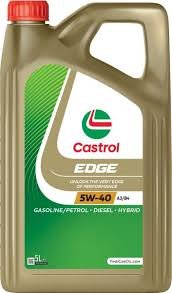
| Castrol EDGE 5W-40 A3/B4 | |
|---|---|
| ACEA A3/B4 | ✔ |
| API SP | ✔ |
| BMW Longlife-01 | ✔ |
| MB 229.3 / 229.5 / 226.5 | ✔ |
| Porsche A40 | ✔ |
| Renault RN0700 / RN0710 | ✔ |
| VW 502 00 / 505 00 | ✔ |
| Chrysler MS-12991 | ✔ |

| Ravenol VST 5W-40 | |
|---|---|
| ACEA A3/B4 | ✔ |
| API SP | ✔ |
| BMW Longlife-01 | ✔ |
| MB 229.5 / 226.5 | ✔ |
| Porsche A40 | ✔ |
| VW 502.00 / 505.00 | ✔ |
| Renault RN0700/0710 | ✔ |
| Chrysler MS-12991 | ✔ |

| Mobil 1 FS 5W-40 | |
|---|---|
| ACEA A3/B3/B4 | ✔ |
| API SN/SM/CF | ✔ |
| BMW Longlife-01 | ✔ |
| MB 229.3 / 229.5 | ✔ |
| Porsche A40 | ✔ |
| VW 502.00 / 505.00 | ✔ |
| Renault RN0700/0710 | ✔ |
| Chrysler MS-12991 | ✔ |

| Liqui Moly High Tech 5W-40 | |
|---|---|
| ACEA A3/B4 | ✔ |
| API SN/CF | ✔ |
| BMW Longlife-01 | ✔ |
| MB 229.5 | ✔ |
| Porsche A40 | ✔ |
| VW 502.00 / 505.00 | ✔ |
| Renault RN0700/0710 | ✔ |
| Chrysler MS-12991 | ✔ |
Olajspecifikációk jelmagyarázata
✔ – Megfelel az előírt specifikációnak
❓ – Nincs kifejezetten feltüntetve (óvatosan: ellenőrizd a jármű kézikönyvét)
❌ – Nem felel meg az előírt specifikációnak. Használata motorproblémákat okozhat.
✔ – Megfelel az előírt specifikációnak
❓ – Nincs kifejezetten feltüntetve (óvatosan: ellenőrizd a jármű kézikönyvét)
❌ – Nem felel meg az előírt specifikációnak. Használata motorproblémákat okozhat.
Amazon partnerként jutalékot kaphatunk a megfelelő vásárlások után.
A választ az MI generálta.
Motorolaj-specifikációk F9Q2 motor
ACEA A3/B4
API CF
SAE 5W-40
A F9Q2 motor.
Engine F9Q2
Symptoms:
- Loss of power and poor acceleration
- Excessive smoke from the exhaust, especially black or blue smoke
- Rough idling or engine misfires
- Engine warning light illumination
- Unusual noises such as knocking or rattling
Diagnosis:
- Check for turbocharger issues, including boost leaks or failure, as the F9Q2 is turbocharged
- Inspect the EGR (Exhaust Gas Recirculation) valve for clogging or malfunction, which can cause rough running and emissions problems
- Perform a compression test to detect worn piston rings or cylinder head gasket leaks
- Scan the ECU for fault codes related to sensors like MAF (Mass Air Flow) or MAP (Manifold Absolute Pressure)
- Examine the fuel injection system for clogged injectors or fuel pump issues
Fixes:
- Replace or repair the turbocharger if boost pressure is insufficient or if there is mechanical damage
- Clean or replace the EGR valve to restore proper exhaust gas recirculation
- Repair any leaks in the intake or intercooler piping to prevent boost loss
- Replace faulty sensors identified during diagnostics to ensure accurate engine management
- Service or replace fuel injectors and fuel pump components as needed
- Address mechanical engine problems such as worn piston rings or head gasket failure through engine overhaul or gasket replacement
Prevention:
- Use high-quality diesel fuel and regularly replace fuel filters to avoid injector clogging
- Maintain regular oil changes with the correct grade to protect turbocharger and engine internals
- Periodically clean the EGR system to prevent carbon buildup
- Avoid prolonged idling and allow the engine to warm up properly before heavy use to reduce wear
- Conduct routine inspections of the turbocharger and intake system for leaks or damage
Following these guidelines will help maintain the F9Q2 engine’s reliability and performance in the Mitsubishi Carisma 1.9 Di-D HP.
Symptoms:
- Loss of power and poor acceleration
- Excessive smoke from the exhaust, especially black or blue smoke
- Rough idling or engine misfires
- Engine warning light illumination
- Unusual noises such as knocking or rattling
Diagnosis:
- Check for turbocharger issues, including boost leaks or failure, as the F9Q2 is turbocharged
- Inspect the EGR (Exhaust Gas Recirculation) valve for clogging or malfunction, which can cause rough running and emissions problems
- Perform a compression test to detect worn piston rings or cylinder head gasket leaks
- Scan the ECU for fault codes related to sensors like MAF (Mass Air Flow) or MAP (Manifold Absolute Pressure)
- Examine the fuel injection system for clogged injectors or fuel pump issues
Fixes:
- Replace or repair the turbocharger if boost pressure is insufficient or if there is mechanical damage
- Clean or replace the EGR valve to restore proper exhaust gas recirculation
- Repair any leaks in the intake or intercooler piping to prevent boost loss
- Replace faulty sensors identified during diagnostics to ensure accurate engine management
- Service or replace fuel injectors and fuel pump components as needed
- Address mechanical engine problems such as worn piston rings or head gasket failure through engine overhaul or gasket replacement
Prevention:
- Use high-quality diesel fuel and regularly replace fuel filters to avoid injector clogging
- Maintain regular oil changes with the correct grade to protect turbocharger and engine internals
- Periodically clean the EGR system to prevent carbon buildup
- Avoid prolonged idling and allow the engine to warm up properly before heavy use to reduce wear
- Conduct routine inspections of the turbocharger and intake system for leaks or damage
Following these guidelines will help maintain the F9Q2 engine’s reliability and performance in the Mitsubishi Carisma 1.9 Di-D HP.