Motorkód
D16AA motorral szerelt járművek listája:
Mely autókban található a D16AA motor, és milyen motorolajat érdemes használni hozzá? A D16AA motor gyakori hibái, tünetei, diagnosztikája, megelőzése és javítása.
- SUZUKI - SX4 S-Cross 1.6 DDiS (88kW) 2013–2016
- SUZUKI - SX4 S-Cross 1.6 DDiS Allgrip (4x4) (88kW) 2013–2016
- SUZUKI - Vitara 1.6 DDiS Allgrip (88kW) 2015–2018
- SUZUKI - Vitara 1.6 DDiS (88kW) 2015–2018
- SUZUKI - SX4 S-Cross 1.6 DDiS Allgrip (4x4) (88kW) 2016–2018
- SUZUKI - SX4 S-Cross 1.6 DDiS (88kW) 2016–2018
Ajánlott motorolaj a motorhoz D16AA motor leggyakoribb problémái, tünetei és javítási megoldásai.
Kérdezd meg a MI-t bármely motorkódról
Csak motorkódokkal kapcsolatos kérdések (márka/modell/motortípus/gyártási évek).

| Castrol MAGNATEC 0W‑30 C2 | |
|---|---|
| ACEA C2 | ✔ |
| PSA B71‑2312 | ✔ |
| Fiat 9.55535‑DS1 / GS1 | ✔ |
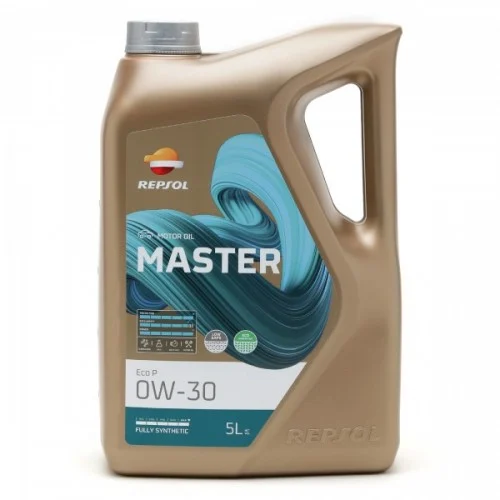
| Repsol Master ECO‑P 0W‑30 | |
|---|---|
| ACEA C2 | ✔ |
| PSA B71‑2312 | ✔ |
| Fiat 9.55535‑DS1 / GS1 | ✔ |

| Motul SPECIFIC 2312 0W‑30 | |
|---|---|
| ACEA C2 | ✔ |
| PSA B71‑2312 | ✔ |
| Fiat 9.55535‑DS1 / GS1 | ✔ |

| Total Quartz Ineo First 0W‑30 | |
|---|---|
| ACEA C2 | ✔ |
| PSA B71‑2312 | ✔ |
| Fiat 9.55535‑DS1 / GS1 | ✔ |
Olajspecifikációk jelmagyarázata
✔ – Megfelel az előírt specifikációnak
❓ – Nincs kifejezetten feltüntetve (óvatosan: ellenőrizd a jármű kézikönyvét)
❌ – Nem felel meg az előírt specifikációnak. Használata motorproblémákat okozhat.
✔ – Megfelel az előírt specifikációnak
❓ – Nincs kifejezetten feltüntetve (óvatosan: ellenőrizd a jármű kézikönyvét)
❌ – Nem felel meg az előírt specifikációnak. Használata motorproblémákat okozhat.
Amazon partnerként jutalékot kaphatunk a megfelelő vásárlások után.
A választ az MI generálta.
Motorolaj-specifikációk D16AA motor
SAE 5W-30
ACEA C2
API CJ-4
A D16AA motor.
Engine D16AA
Symptoms:
- Reduced engine power and sluggish acceleration
- Excessive smoke from the exhaust, particularly black or blue smoke
- Rough idling or engine misfires
- Increased fuel consumption
- Warning lights on the dashboard, such as the check engine light
Diagnosis:
- Check for clogged or faulty diesel particulate filter (DPF), common in diesel engines like the DDiS
- Inspect turbocharger for wear or damage, as turbo issues often cause power loss and smoke
- Perform compression test to assess cylinder health and detect possible wear or damage
- Scan engine control unit (ECU) for fault codes related to fuel injection, sensors, or emissions systems
- Examine fuel injectors for clogging or malfunction, which can cause misfires and poor combustion
Fixes:
- Clean or replace the diesel particulate filter if clogged to restore proper exhaust flow
- Repair or replace the turbocharger if damaged or worn to regain engine power and reduce smoke
- Replace faulty fuel injectors or clean them professionally to ensure correct fuel delivery
- Address any sensor faults by replacing defective sensors (e.g., MAF, MAP, oxygen sensors)
- Perform regular engine oil and filter changes using manufacturer-recommended products to maintain engine health
Prevention:
- Use high-quality diesel fuel and additives to reduce deposits and prolong injector life
- Follow recommended maintenance intervals strictly, including DPF regeneration procedures
- Avoid frequent short trips that prevent the DPF from reaching regeneration temperature
- Monitor engine warning lights promptly and address issues early to prevent further damage
- Maintain turbocharger health by allowing the engine to idle briefly after hard driving to cool down
By adhering to these diagnostic steps, fixes, and preventive measures, owners of vehicles equipped with the D16AA engine can ensure reliable performance and longevity.
Symptoms:
- Reduced engine power and sluggish acceleration
- Excessive smoke from the exhaust, particularly black or blue smoke
- Rough idling or engine misfires
- Increased fuel consumption
- Warning lights on the dashboard, such as the check engine light
Diagnosis:
- Check for clogged or faulty diesel particulate filter (DPF), common in diesel engines like the DDiS
- Inspect turbocharger for wear or damage, as turbo issues often cause power loss and smoke
- Perform compression test to assess cylinder health and detect possible wear or damage
- Scan engine control unit (ECU) for fault codes related to fuel injection, sensors, or emissions systems
- Examine fuel injectors for clogging or malfunction, which can cause misfires and poor combustion
Fixes:
- Clean or replace the diesel particulate filter if clogged to restore proper exhaust flow
- Repair or replace the turbocharger if damaged or worn to regain engine power and reduce smoke
- Replace faulty fuel injectors or clean them professionally to ensure correct fuel delivery
- Address any sensor faults by replacing defective sensors (e.g., MAF, MAP, oxygen sensors)
- Perform regular engine oil and filter changes using manufacturer-recommended products to maintain engine health
Prevention:
- Use high-quality diesel fuel and additives to reduce deposits and prolong injector life
- Follow recommended maintenance intervals strictly, including DPF regeneration procedures
- Avoid frequent short trips that prevent the DPF from reaching regeneration temperature
- Monitor engine warning lights promptly and address issues early to prevent further damage
- Maintain turbocharger health by allowing the engine to idle briefly after hard driving to cool down
By adhering to these diagnostic steps, fixes, and preventive measures, owners of vehicles equipped with the D16AA engine can ensure reliable performance and longevity.