Motorkód
B284R motorral szerelt járművek listája:
Mely autókban található a B284R motor, és milyen motorolajat érdemes használni hozzá? A B284R motor gyakori hibái, tünetei, diagnosztikája, megelőzése és javítása.
- SAAB - 9-3 Sport 2.8 Turbo V6 (184kW) 2005–2007
- SAAB - 9-3 Sport 2.8 Turbo V6 (188kW) 2007–2008
- SAAB - 9-3 Sport 2.8 Turbo V6 (206kW) 2008–2011
- SAAB - 9-3 Sport 2.8 Turbo V6 XWD (206kW) 2008–2011
- SAAB - 9-3 Cabriolet 2.8 Turbo V6 (206kW) 2008–2011
Ajánlott motorolaj a motorhoz B284R motor leggyakoribb problémái, tünetei és javítási megoldásai.
Kérdezd meg a MI-t bármely motorkódról
Csak motorkódokkal kapcsolatos kérdések (márka/modell/motortípus/gyártási évek).

| Castrol MAGNATEC 5W‑30 C3 | |
|---|---|
| SAE 5W‑30 | ✔ |
| ACEA C3 | ✔ |
| API SN/CF | ✔ |
| BMW Longlife‑04 | ✔ |
| MB‑Approval 226.5 / 229.31 / 229.51 / 229.52 | ✔ |
| Opel OV 0401547‑D30 / G30 | ✔ |
| Fiat 9.55535‑S3 | ✔ |
| Renault RN0700 / RN0710 | ✔ |
| VW 505.00 / 505.01 | ✔ |
| dexos2 | ✔ |

| Liqui‑Moly Chrome C3 5W‑30 | |
|---|---|
| SAE 5W‑30 | ✔ |
| ACEA C3 | ✔ |
| API SN/CF | ✔ |
| BMW Longlife‑04 | ❌ |
| MB‑Approval 226.5 / 229.31 / 229.51 / 229.52 | ✔ |
| Opel OV 0401547‑D30 / G30 | ✔ |
| Fiat 9.55535‑S3 | ✔ |
| Renault RN0700 / RN0710 | ✔ |
| VW 505.00 / 505.01 | ✔ |
| dexos2 | ✔ |

| Ridex Plus Active Energy C2/C3 5W‑30 | |
|---|---|
| SAE 5W‑30 | ✔ |
| ACEA C3 | ✔ |
| API SN/CF | ✔ |
| BMW Longlife‑04 | ✔ |
| MB‑Approval 226.5 / 229.31 / 229.51 / 229.52 | ✔ |
| Opel OV 0401547‑D30 / G30 | ✔ |
| Fiat 9.55535‑S3 | ❌ |
| Renault RN0700 / RN0710 | ✔ |
| VW 505.00 / 505.01 | ✔ |
| dexos2 | ✔ |
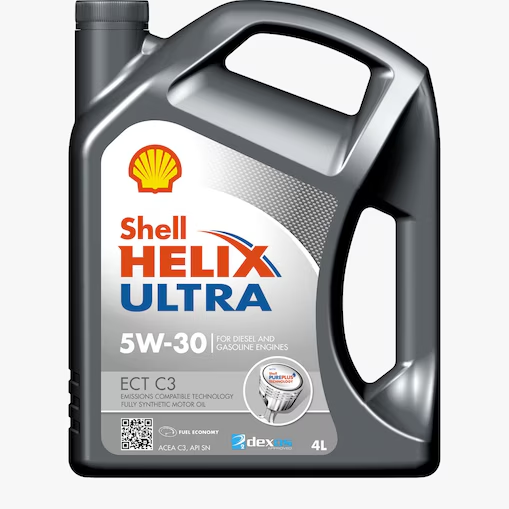
| Shell Helix Ultra ECT C3 5W‑30 | |
|---|---|
| SAE 5W‑30 | ✔ |
| ACEA C3 | ✔ |
| API SN/CF | ✔ |
| BMW Longlife‑04 | ✔ |
| MB‑Approval 226.5 / 229.31 / 229.51 / 229.52 | ✔ |
| Opel OV 0401547‑D30 / G30 | ✔ |
| Fiat 9.55535‑S3 | ✔ |
| Renault RN0700 / RN0710 | ✔ |
| VW 505.00 / 505.01 | ✔ |
| dexos2 | ❓ |
Olajspecifikációk jelmagyarázata
✔ – Megfelel az előírt specifikációnak
❓ – Nincs kifejezetten feltüntetve (óvatosan: ellenőrizd a jármű kézikönyvét)
❌ – Nem felel meg az előírt specifikációnak. Használata motorproblémákat okozhat.
✔ – Megfelel az előírt specifikációnak
❓ – Nincs kifejezetten feltüntetve (óvatosan: ellenőrizd a jármű kézikönyvét)
❌ – Nem felel meg az előírt specifikációnak. Használata motorproblémákat okozhat.
Amazon partnerként jutalékot kaphatunk a megfelelő vásárlások után.
A választ az MI generálta.
Motorolaj-specifikációk B284R motor
SAE 5W-30
ACEA A3/B4
API SL
VW 502.00
VW 505.00
A B284R motor.
Engine B284R
Symptoms:
- Loss of power or reduced engine performance
- Rough idling or engine misfires
- Excessive oil consumption or oil leaks
- Overheating or coolant loss
- Turbocharger lag or failure
- Check engine light illumination
Diagnosis:
- Perform a thorough visual inspection for oil leaks around valve covers, turbocharger, and oil cooler seals
- Use a diagnostic scanner to check for stored fault codes related to ignition, fuel system, or turbocharger
- Conduct a compression test to assess cylinder health and detect possible head gasket issues
- Inspect turbocharger for shaft play, oil leakage, or damaged turbine blades
- Check coolant system pressure and thermostat operation to rule out overheating causes
- Examine ignition coils and spark plugs for wear or damage
Fixes:
- Replace worn or leaking valve cover gaskets and turbocharger oil seals to prevent oil leaks
- Repair or replace faulty ignition coils and spark plugs to resolve misfires and rough idling
- Service or replace the turbocharger if shaft play or damage is confirmed
- Flush and refill the cooling system; replace thermostat and radiator hoses as needed to prevent overheating
- Address any detected head gasket leaks or cylinder compression issues promptly to avoid engine damage
- Regularly change engine oil and use manufacturer-recommended grades to maintain turbocharger health
Prevention:
- Adhere strictly to scheduled maintenance intervals, especially oil and filter changes, to protect turbocharger and engine internals
- Use high-quality engine oil with correct specifications to ensure proper lubrication under turbocharged conditions
- Avoid aggressive driving when the engine is cold to reduce thermal stress on components
- Monitor coolant levels and system health regularly to prevent overheating
- Address any warning lights or unusual engine behavior immediately to prevent escalation of issues