Motorkód
B200ET motorral szerelt járművek listája:
Mely autókban található a B200ET motor, és milyen motorolajat érdemes használni hozzá? A B200ET motor gyakori hibái, tünetei, diagnosztikája, megelőzése és javítása.
Ajánlott motorolaj a motorhoz B200ET motor leggyakoribb problémái, tünetei és javítási megoldásai.
Kérdezd meg a MI-t bármely motorkódról
Csak motorkódokkal kapcsolatos kérdések (márka/modell/motortípus/gyártási évek).
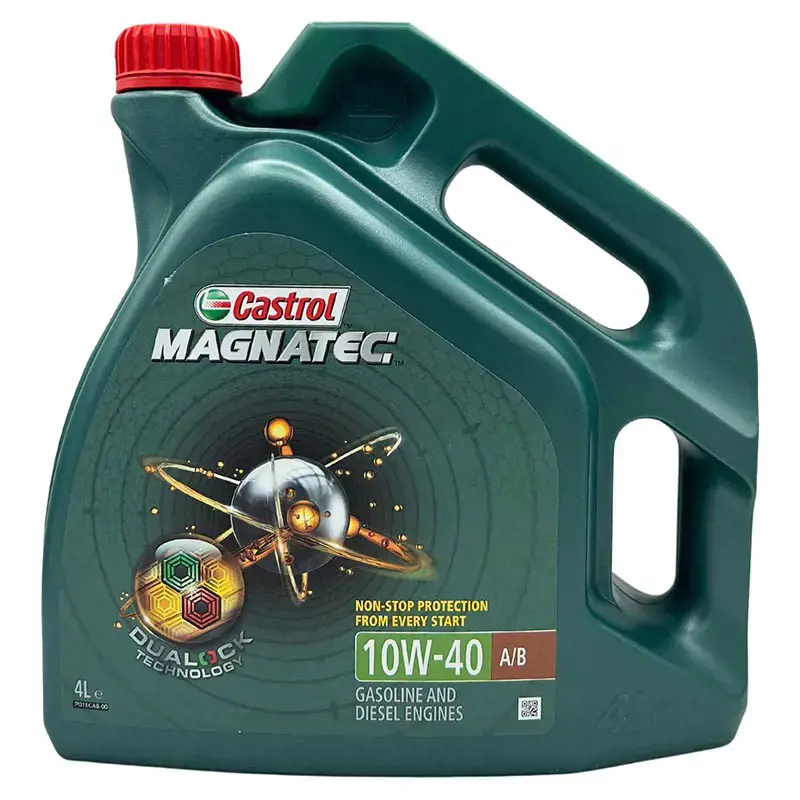
| Castrol MAGNATEC 10W‑40 A/B | |
|---|---|
| SAE 10W‑40 | ✔ |
| ACEA A3/B4 | ✔ |
| API SP | ✔ |
| MB‑Approval 226.5/229.3 | ✔ |
| Renault RN0700 / RN0710 | ✔ |
| VW 501 01 / 505 00 | ✔ |
| Fiat 9.55535‑D2 | ✔ |
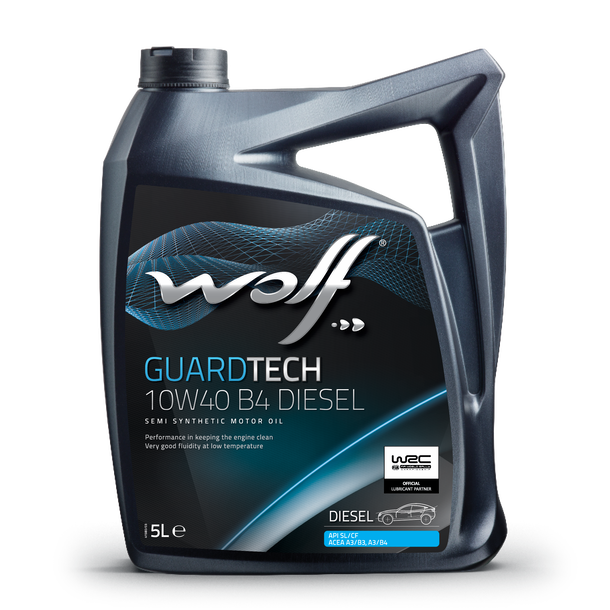
| Wolf GuardTech 10W‑40 B4 | |
|---|---|
| ACEA A3/B4 | ✔ |
| API SN | ✔ |
| MB‑Approval 229.1 | ❓ |
| Renault RN0700 / RN0710 | ✔ |
| VW 501 01 / 505 00 | ✔ |
| Fiat 9.55535‑D2 | ✔ |
| Champion Active Defence 10W‑40 B4 | |
|---|---|
| ACEA A3/B4 | ✔ |
| API SN | ✔ |
| MB‑Approval 229.1 | ❓ |
| Renault RN0700 / RN0710 | ✔ |
| VW 501 01 / 505 00 | ✔ |
| Fiat 9.55535‑D2 | ✔ |
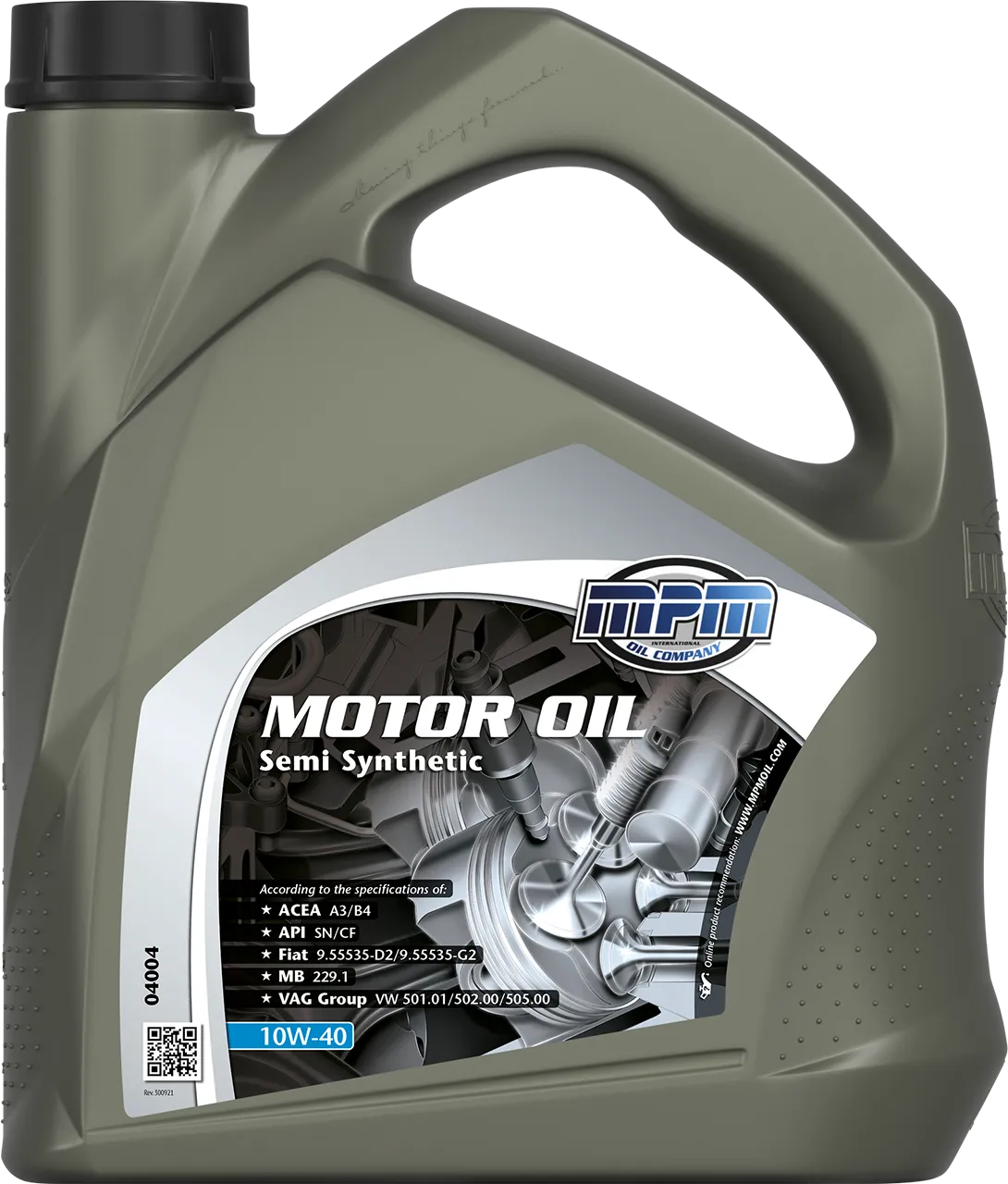
| MPM Part Synthetic 10W‑40 | |
|---|---|
| ACEA A3/B4 | ✔ |
| API SN/CF | ✔ |
| MB‑Approval 229.3 | ❓ |
| Renault RN0700 / RN0710 | ✔ |
| VW 501 01 / 505 00 | ✔ |
| Fiat 9.55535‑D2 | ✔ |
Olajspecifikációk jelmagyarázata
✔ – Megfelel az előírt specifikációnak
❓ – Nincs kifejezetten feltüntetve (óvatosan: ellenőrizd a jármű kézikönyvét)
❌ – Nem felel meg az előírt specifikációnak. Használata motorproblémákat okozhat.
✔ – Megfelel az előírt specifikációnak
❓ – Nincs kifejezetten feltüntetve (óvatosan: ellenőrizd a jármű kézikönyvét)
❌ – Nem felel meg az előírt specifikációnak. Használata motorproblémákat okozhat.
Amazon partnerként jutalékot kaphatunk a megfelelő vásárlások után.
A választ az MI generálta.
Motorolaj-specifikációk B200ET motor
SAE 10W-40
ACEA A2
API SJ
NO INFO -
A B200ET motor.
Engine B200ET
Symptoms:
- Loss of power and poor acceleration
- Rough idling or stalling
- Excessive smoke from the exhaust
- Overheating or coolant leaks
- Turbo lag or boost pressure issues
Diagnosis:
- Check for vacuum leaks in hoses and intake manifold
- Inspect turbocharger for shaft play, oil leaks, and proper operation
- Test ignition components: spark plugs, wires, distributor cap, and rotor
- Examine fuel system: fuel pump, injectors, and filters for clogs or leaks
- Verify timing belt condition and correct timing settings
- Inspect cooling system for leaks, thermostat function, and radiator condition
- Scan for any fault codes if equipped with diagnostic capability
Fixes:
- Replace cracked or brittle vacuum hoses and gaskets to eliminate leaks
- Rebuild or replace the turbocharger if worn or damaged
- Change spark plugs and ignition components to restore proper firing
- Clean or replace fuel injectors and fuel filters to ensure proper fuel delivery
- Replace timing belt and adjust timing to manufacturer specifications
- Repair or replace faulty cooling system parts such as thermostat, radiator, or water pump
- Regular oil changes with high-quality oil to maintain turbo health
Prevention:
- Perform regular maintenance including timely oil and filter changes
- Inspect and replace vacuum hoses and gaskets before they fail
- Monitor turbocharger performance and address any unusual noises promptly
- Use recommended fuel and oil grades to prevent deposits and wear
- Keep cooling system in good condition to avoid overheating
- Follow manufacturer’s service intervals for timing belt and ignition system components
- Store vehicle properly to avoid moisture-related issues in ignition and fuel systems
Symptoms:
- Loss of power and poor acceleration
- Rough idling or stalling
- Excessive smoke from the exhaust
- Overheating or coolant leaks
- Turbo lag or boost pressure issues
Diagnosis:
- Check for vacuum leaks in hoses and intake manifold
- Inspect turbocharger for shaft play, oil leaks, and proper operation
- Test ignition components: spark plugs, wires, distributor cap, and rotor
- Examine fuel system: fuel pump, injectors, and filters for clogs or leaks
- Verify timing belt condition and correct timing settings
- Inspect cooling system for leaks, thermostat function, and radiator condition
- Scan for any fault codes if equipped with diagnostic capability
Fixes:
- Replace cracked or brittle vacuum hoses and gaskets to eliminate leaks
- Rebuild or replace the turbocharger if worn or damaged
- Change spark plugs and ignition components to restore proper firing
- Clean or replace fuel injectors and fuel filters to ensure proper fuel delivery
- Replace timing belt and adjust timing to manufacturer specifications
- Repair or replace faulty cooling system parts such as thermostat, radiator, or water pump
- Regular oil changes with high-quality oil to maintain turbo health
Prevention:
- Perform regular maintenance including timely oil and filter changes
- Inspect and replace vacuum hoses and gaskets before they fail
- Monitor turbocharger performance and address any unusual noises promptly
- Use recommended fuel and oil grades to prevent deposits and wear
- Keep cooling system in good condition to avoid overheating
- Follow manufacturer’s service intervals for timing belt and ignition system components
- Store vehicle properly to avoid moisture-related issues in ignition and fuel systems