Motorkód
3S-GTE motorral szerelt járművek listája:
Mely autókban található a 3S-GTE motor, és milyen motorolajat érdemes használni hozzá? A 3S-GTE motor gyakori hibái, tünetei, diagnosztikája, megelőzése és javítása.
Ajánlott motorolaj a motorhoz 3S-GTE motor leggyakoribb problémái, tünetei és javítási megoldásai.
Kérdezd meg a MI-t bármely motorkódról
Csak motorkódokkal kapcsolatos kérdések (márka/modell/motortípus/gyártási évek).
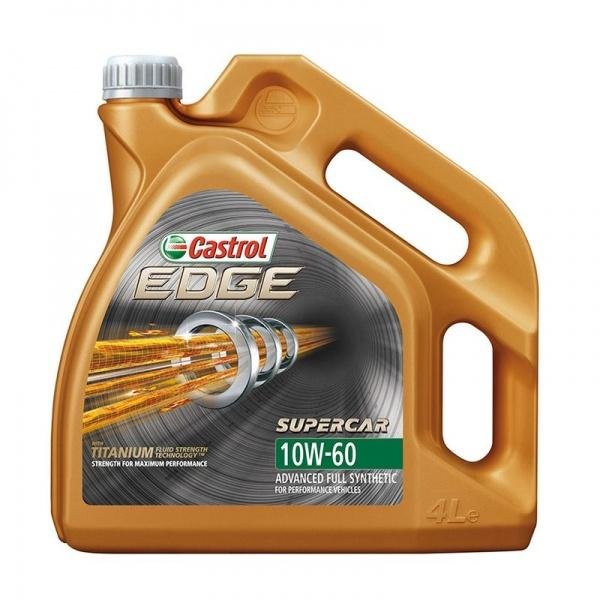
| Castrol EDGE 10W-60 | |
|---|---|
| ACEA A3/B4 | ✔ |
| API SN/CF | ✔ |
| BMW M | ✔ |
| VW 501 01 / 505 00 | ✔ |

| Shell Helix Ultra Racing 10W-60 | |
|---|---|
| ACEA A3/B4 | ✔ |
| API SN/CF | ✔ |
| BMW M | ❌ |
| VW 501 01 / 505 00 | ❌ |
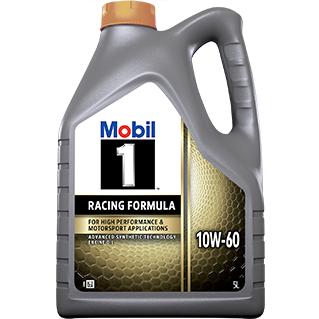
| Mobil 1 10W-60 | |
|---|---|
| ACEA A3/B4 | ✔ |
| API SN/CF | ✔ |
| BMW M | ✔ |
| VW 501 01 / 505 00 | ✔ |

| Liqui Moly Race Tech GT1 10W-60 | |
|---|---|
| ACEA A3/B4 | ✔ |
| API SN/CF | ✔ |
| BMW M | ❌ |
| VW 501 01 / 505 00 | ❌ |
Olajspecifikációk jelmagyarázata
✔ – Megfelel az előírt specifikációnak
❓ – Nincs kifejezetten feltüntetve (óvatosan: ellenőrizd a jármű kézikönyvét)
❌ – Nem felel meg az előírt specifikációnak. Használata motorproblémákat okozhat.
✔ – Megfelel az előírt specifikációnak
❓ – Nincs kifejezetten feltüntetve (óvatosan: ellenőrizd a jármű kézikönyvét)
❌ – Nem felel meg az előírt specifikációnak. Használata motorproblémákat okozhat.
Amazon partnerként jutalékot kaphatunk a megfelelő vásárlások után.
A választ az MI generálta.
Motorolaj-specifikációk 3S-GTE motor
SAE 5W-30
API SJ
A 3S-GTE motor.
Engine 3S-GTE
Symptoms:
- Loss of power or poor acceleration
- Excessive smoke from the exhaust (blue or black)
- Engine knocking or pinging sounds
- Overheating or coolant leaks
- Rough idling or stalling
- Turbo lag or boost pressure issues
Diagnosis:
- Check for boost leaks in hoses and intercooler connections
- Inspect turbocharger for shaft play or oil leaks
- Perform compression and leak-down tests to assess internal engine health
- Examine spark plugs for fouling or abnormal wear
- Scan for any stored fault codes related to ignition or fuel systems
- Inspect coolant system for leaks, radiator blockages, or thermostat failure
Fixes:
- Replace worn or cracked vacuum and boost hoses to restore proper boost pressure
- Rebuild or replace the turbocharger if shaft play or oil leakage is detected
- Repair or replace faulty fuel injectors and ignition components to restore combustion efficiency
- Address oil leaks by replacing gaskets and seals, especially around the turbo and valve cover
- Flush and replace coolant, repair leaks, and replace thermostat or radiator as needed to prevent overheating
- Regularly change engine oil and use high-quality synthetic oil to protect turbo bearings
Prevention:
- Adhere to strict maintenance schedules, including timely oil and filter changes using recommended oil grades
- Allow the engine to warm up before driving aggressively to protect turbo components
- Perform a cool-down period after hard driving to prevent turbo overheating by idling the engine for a minute or two
- Use high-quality fuel to avoid carbon buildup and knocking
- Regularly inspect and replace worn hoses and belts to prevent boost leaks and mechanical failures
- Monitor engine temperature and boost pressure gauges to catch issues early
By following these diagnostic steps, fixes, and preventive measures, owners of Toyota Celica 2.0i Turbo 4WD models with the 3S-GTE engine can maintain reliable performance and extend engine life.
Symptoms:
- Loss of power or poor acceleration
- Excessive smoke from the exhaust (blue or black)
- Engine knocking or pinging sounds
- Overheating or coolant leaks
- Rough idling or stalling
- Turbo lag or boost pressure issues
Diagnosis:
- Check for boost leaks in hoses and intercooler connections
- Inspect turbocharger for shaft play or oil leaks
- Perform compression and leak-down tests to assess internal engine health
- Examine spark plugs for fouling or abnormal wear
- Scan for any stored fault codes related to ignition or fuel systems
- Inspect coolant system for leaks, radiator blockages, or thermostat failure
Fixes:
- Replace worn or cracked vacuum and boost hoses to restore proper boost pressure
- Rebuild or replace the turbocharger if shaft play or oil leakage is detected
- Repair or replace faulty fuel injectors and ignition components to restore combustion efficiency
- Address oil leaks by replacing gaskets and seals, especially around the turbo and valve cover
- Flush and replace coolant, repair leaks, and replace thermostat or radiator as needed to prevent overheating
- Regularly change engine oil and use high-quality synthetic oil to protect turbo bearings
Prevention:
- Adhere to strict maintenance schedules, including timely oil and filter changes using recommended oil grades
- Allow the engine to warm up before driving aggressively to protect turbo components
- Perform a cool-down period after hard driving to prevent turbo overheating by idling the engine for a minute or two
- Use high-quality fuel to avoid carbon buildup and knocking
- Regularly inspect and replace worn hoses and belts to prevent boost leaks and mechanical failures
- Monitor engine temperature and boost pressure gauges to catch issues early
By following these diagnostic steps, fixes, and preventive measures, owners of Toyota Celica 2.0i Turbo 4WD models with the 3S-GTE engine can maintain reliable performance and extend engine life.