Motorkód
M177.880 motorral szerelt járművek listája:
Mely autókban található a M177.880 motor, és milyen motorolajat érdemes használni hozzá? A M177.880 motor gyakori hibái, tünetei, diagnosztikája, megelőzése és javítása.
- MERCEDES_BENZ - SL 63 AMG 4MATIC+ (430kW) 2021–2025
- MERCEDES_BENZ - SL 55 AMG 4MATIC+ (350kW) 2021–2025
- MERCEDES_BENZ - Mercedes-AMG GT 55 AMG 4MATIC+ (350kW) 2023–2025
- MERCEDES_BENZ - Mercedes-AMG GT 63 AMG 4MATIC+ (430kW) 2023–2025
- MERCEDES_BENZ - SL 63 AMG S E Performance 4MATIC+ (600kW) 2023–2025
Ajánlott motorolaj a motorhoz M177.880 motor leggyakoribb problémái, tünetei és javítási megoldásai.
Kérdezd meg a MI-t bármely motorkódról
Csak motorkódokkal kapcsolatos kérdések (márka/modell/motortípus/gyártási évek).
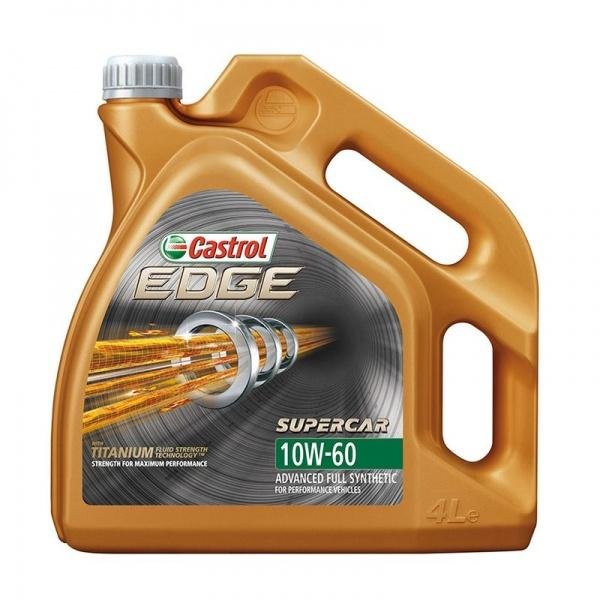
| Castrol EDGE 10W-60 | |
|---|---|
| ACEA A3/B4 | ✔ |
| API SN/CF | ✔ |
| BMW M | ✔ |
| VW 501 01 / 505 00 | ✔ |

| Shell Helix Ultra Racing 10W-60 | |
|---|---|
| ACEA A3/B4 | ✔ |
| API SN/CF | ✔ |
| BMW M | ❌ |
| VW 501 01 / 505 00 | ❌ |
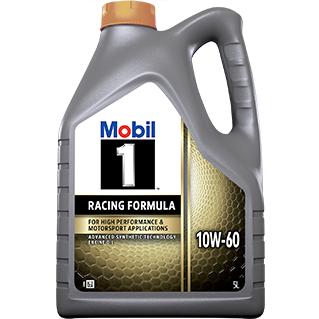
| Mobil 1 10W-60 | |
|---|---|
| ACEA A3/B4 | ✔ |
| API SN/CF | ✔ |
| BMW M | ✔ |
| VW 501 01 / 505 00 | ✔ |

| Liqui Moly Race Tech GT1 10W-60 | |
|---|---|
| ACEA A3/B4 | ✔ |
| API SN/CF | ✔ |
| BMW M | ❌ |
| VW 501 01 / 505 00 | ❌ |
Olajspecifikációk jelmagyarázata
✔ – Megfelel az előírt specifikációnak
❓ – Nincs kifejezetten feltüntetve (óvatosan: ellenőrizd a jármű kézikönyvét)
❌ – Nem felel meg az előírt specifikációnak. Használata motorproblémákat okozhat.
✔ – Megfelel az előírt specifikációnak
❓ – Nincs kifejezetten feltüntetve (óvatosan: ellenőrizd a jármű kézikönyvét)
❌ – Nem felel meg az előírt specifikációnak. Használata motorproblémákat okozhat.
Amazon partnerként jutalékot kaphatunk a megfelelő vásárlások után.
A választ az MI generálta.
Motorolaj-specifikációk M177.880 motor
SAE 0W-40
ACEA C3
MB 229.51
MB 229.52
A M177.880 motor.
Engine M177.880
Symptoms:
- Loss of power or reduced engine performance
- Rough idling or engine misfires
- Unusual noises such as knocking or ticking
- Increased oil consumption or visible oil leaks
- Check Engine Light (CEL) illumination
- Turbocharger lag or failure symptoms
Diagnosis:
- Perform a full diagnostic scan using Mercedes-specific diagnostic tools to read fault codes.
- Inspect ignition coils and spark plugs for wear or damage, common causes of misfires.
- Check for turbocharger boost pressure irregularities and inspect turbocharger components.
- Examine the intake manifold and valves for carbon buildup, which can affect performance.
- Inspect oil levels and quality; look for signs of leaks around valve covers and turbo seals.
- Conduct a compression test to assess cylinder health.
- Verify the operation of the variable valve timing system.
Fixes:
- Replace faulty ignition coils and spark plugs to resolve misfires.
- Clean or decarbonize intake valves and manifold to restore airflow and efficiency.
- Repair or replace turbocharger components if boost pressure is insufficient or if mechanical damage is found.
- Address oil leaks by replacing gaskets or seals, particularly valve cover gaskets and turbocharger oil seals.
- Perform regular oil changes with manufacturer-recommended synthetic oil to maintain engine lubrication.
- Update engine software via Mercedes-Benz service to optimize performance and address known issues.
- Replace worn timing chain components if timing irregularities are detected.
Prevention:
- Adhere strictly to Mercedes-Benz recommended maintenance intervals, especially oil and filter changes.
- Use only high-quality synthetic oils and approved fuel to prevent deposit formation.
- Avoid prolonged idling and aggressive driving to reduce stress on turbochargers and engine components.
- Schedule regular inspections of ignition and turbo systems to catch early signs of wear.
- Keep the engine clean and free from dirt and debris to prevent contamination.
- Ensure software updates are applied promptly during servicing to maintain engine management efficiency.
-NO INFO-
Symptoms:
- Loss of power or reduced engine performance
- Rough idling or engine misfires
- Unusual noises such as knocking or ticking
- Increased oil consumption or visible oil leaks
- Check Engine Light (CEL) illumination
- Turbocharger lag or failure symptoms
Diagnosis:
- Perform a full diagnostic scan using Mercedes-specific diagnostic tools to read fault codes.
- Inspect ignition coils and spark plugs for wear or damage, common causes of misfires.
- Check for turbocharger boost pressure irregularities and inspect turbocharger components.
- Examine the intake manifold and valves for carbon buildup, which can affect performance.
- Inspect oil levels and quality; look for signs of leaks around valve covers and turbo seals.
- Conduct a compression test to assess cylinder health.
- Verify the operation of the variable valve timing system.
Fixes:
- Replace faulty ignition coils and spark plugs to resolve misfires.
- Clean or decarbonize intake valves and manifold to restore airflow and efficiency.
- Repair or replace turbocharger components if boost pressure is insufficient or if mechanical damage is found.
- Address oil leaks by replacing gaskets or seals, particularly valve cover gaskets and turbocharger oil seals.
- Perform regular oil changes with manufacturer-recommended synthetic oil to maintain engine lubrication.
- Update engine software via Mercedes-Benz service to optimize performance and address known issues.
- Replace worn timing chain components if timing irregularities are detected.
Prevention:
- Adhere strictly to Mercedes-Benz recommended maintenance intervals, especially oil and filter changes.
- Use only high-quality synthetic oils and approved fuel to prevent deposit formation.
- Avoid prolonged idling and aggressive driving to reduce stress on turbochargers and engine components.
- Schedule regular inspections of ignition and turbo systems to catch early signs of wear.
- Keep the engine clean and free from dirt and debris to prevent contamination.
- Ensure software updates are applied promptly during servicing to maintain engine management efficiency.
-NO INFO-