Motorkód
B4D 419 motorral szerelt járművek listája:
Mely autókban található a B4D 419 motor, és milyen motorolajat érdemes használni hozzá? A B4D 419 motor gyakori hibái, tünetei, diagnosztikája, megelőzése és javítása.
Ajánlott motorolaj a motorhoz B4D 419 motor leggyakoribb problémái, tünetei és javítási megoldásai.
Kérdezd meg a MI-t bármely motorkódról
Csak motorkódokkal kapcsolatos kérdések (márka/modell/motortípus/gyártási évek).
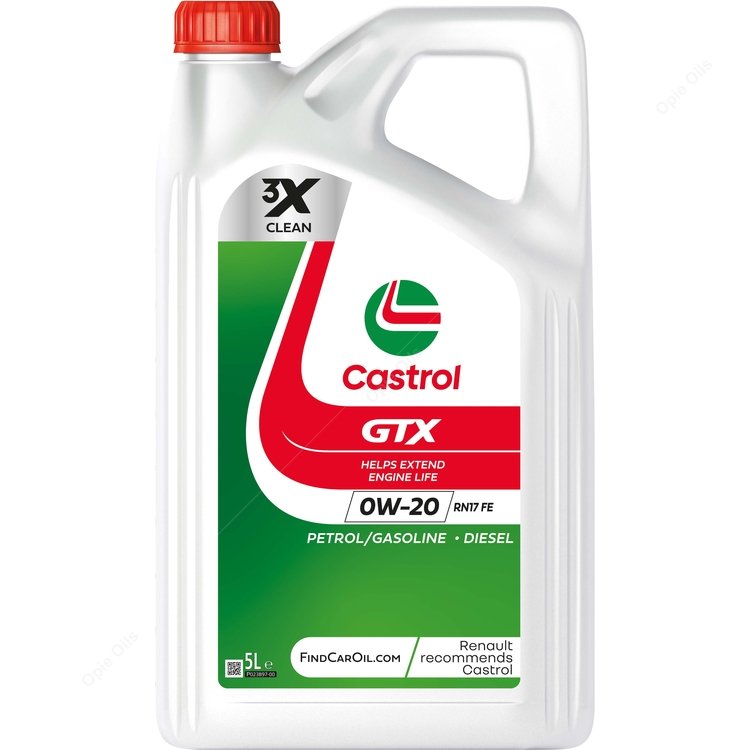
| Castrol GTX 0W-20 RN17 FE | |
|---|---|
| SAE 0W-20 | ✔ |
| ACEA C5 | ✔ |
| API SP | ✔ |
| Renault RN17 FE | ✔ |
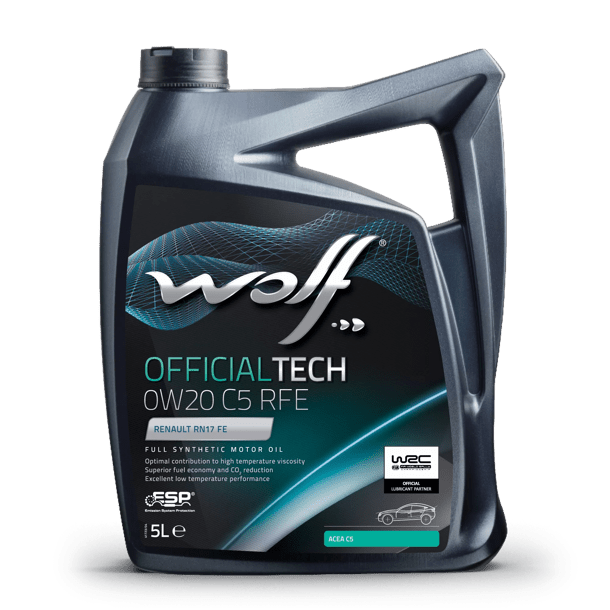
| Wolf OFFICIALTECH 0W20 C5 RFE | |
|---|---|
| SAE 0W-20 | ✔ |
| ACEA C5 | ✔ |
| API SP / SN | ✔ |
| Renault RN17 FE | ✔ |

| ELF EVOLUTION R-TECH ELITE FE 0W-20 | |
|---|---|
| SAE 0W-20 | ✔ |
| ACEA C5 | ✔ |
| API SP | ✔ |
| Renault RN17 FE | ✔ |
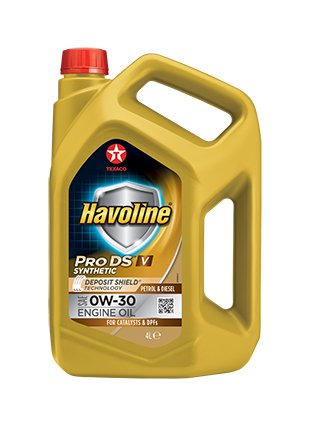
| Havoline ProDS RN 0W-20 | |
|---|---|
| SAE 0W-20 | ✔ |
| ACEA C5 | ✔ |
| API SN | ✔ |
| Renault RN17 FE | ✔ |
Olajspecifikációk jelmagyarázata
✔ – Megfelel az előírt specifikációnak
❓ – Nincs kifejezetten feltüntetve (óvatosan: ellenőrizd a jármű kézikönyvét)
❌ – Nem felel meg az előírt specifikációnak. Használata motorproblémákat okozhat.
✔ – Megfelel az előírt specifikációnak
❓ – Nincs kifejezetten feltüntetve (óvatosan: ellenőrizd a jármű kézikönyvét)
❌ – Nem felel meg az előírt specifikációnak. Használata motorproblémákat okozhat.
Amazon partnerként jutalékot kaphatunk a megfelelő vásárlások után.
A választ az MI generálta.
Motorolaj-specifikációk B4D 419 motor
SAE 0W-20
ACEA C2
API SN
ILSAC GF-6A
A B4D 419 motor.
Engine B4D 419
Symptoms:
- Reduced engine power or sluggish acceleration
- Unusual engine noises such as knocking or ticking
- Increased fuel consumption
- Engine warning light illuminated on the dashboard
- Rough idling or stalling at low speeds
Diagnosis:
- Perform an OBD-II scan to check for any stored fault codes related to fuel injection, ignition, or emissions systems.
- Inspect spark plugs and ignition coils for wear or damage.
- Check fuel system components including fuel filter and injectors for clogging or leaks.
- Examine air intake system for blockages or leaks, including the air filter condition.
- Assess engine oil level and quality, looking for signs of contamination or degradation.
- Conduct a compression test to evaluate the health of the engine cylinders.
Fixes:
- Replace worn or fouled spark plugs and faulty ignition coils to restore proper combustion.
- Clean or replace clogged fuel injectors and fuel filters to ensure adequate fuel delivery.
- Change the air filter and repair any leaks in the intake system to maintain correct air-fuel mixture.
- Perform an oil change using manufacturer-recommended oil to protect engine components.
- Address any detected mechanical issues such as valve or piston wear based on compression test results.
- Reset the engine control unit (ECU) after repairs to clear fault codes and recalibrate sensors.
Prevention:
- Adhere to the recommended maintenance schedule for oil changes, filter replacements, and inspections.
- Use high-quality fuel and engine oil to reduce deposits and wear.
- Avoid prolonged idling and aggressive driving to minimize engine stress.
- Regularly inspect and maintain ignition and fuel systems to prevent performance issues.
- Keep the engine clean and promptly address any warning lights or unusual noises.
-NO INFO-
Symptoms:
- Reduced engine power or sluggish acceleration
- Unusual engine noises such as knocking or ticking
- Increased fuel consumption
- Engine warning light illuminated on the dashboard
- Rough idling or stalling at low speeds
Diagnosis:
- Perform an OBD-II scan to check for any stored fault codes related to fuel injection, ignition, or emissions systems.
- Inspect spark plugs and ignition coils for wear or damage.
- Check fuel system components including fuel filter and injectors for clogging or leaks.
- Examine air intake system for blockages or leaks, including the air filter condition.
- Assess engine oil level and quality, looking for signs of contamination or degradation.
- Conduct a compression test to evaluate the health of the engine cylinders.
Fixes:
- Replace worn or fouled spark plugs and faulty ignition coils to restore proper combustion.
- Clean or replace clogged fuel injectors and fuel filters to ensure adequate fuel delivery.
- Change the air filter and repair any leaks in the intake system to maintain correct air-fuel mixture.
- Perform an oil change using manufacturer-recommended oil to protect engine components.
- Address any detected mechanical issues such as valve or piston wear based on compression test results.
- Reset the engine control unit (ECU) after repairs to clear fault codes and recalibrate sensors.
Prevention:
- Adhere to the recommended maintenance schedule for oil changes, filter replacements, and inspections.
- Use high-quality fuel and engine oil to reduce deposits and wear.
- Avoid prolonged idling and aggressive driving to minimize engine stress.
- Regularly inspect and maintain ignition and fuel systems to prevent performance issues.
- Keep the engine clean and promptly address any warning lights or unusual noises.
-NO INFO-