Motorkód
B4204T28 motorral szerelt járművek listája:
Mely autókban található a B4204T28 motor, és milyen motorolajat érdemes használni hozzá? A B4204T28 motor gyakori hibái, tünetei, diagnosztikája, megelőzése és javítása.
- VOLVO - XC60 T8 Twin Engine AWD (298kW) 2017–2020
- VOLVO - V60 T8 Twin Engine (298kW) 2018–2020
- VOLVO - S90 T8 Twin Engine (298kW) 2018–2020
- VOLVO - V90 T8 Twin Engine (298kW) 2018–2020
- VOLVO - S60 T8 Twin Engine (298kW) 2019–2020
Ajánlott motorolaj a motorhoz B4204T28 motor leggyakoribb problémái, tünetei és javítási megoldásai.
Kérdezd meg a MI-t bármely motorkódról
Csak motorkódokkal kapcsolatos kérdések (márka/modell/motortípus/gyártási évek).

| Castrol EDGE 0W-20 V | |
|---|---|
| ACEA C5 | ✔ |
| Volvo VCC RBS0-2AE | ✔ |
| API SP | ❌ |
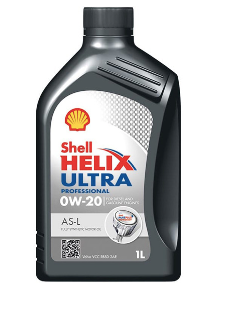
| Shell Helix Ultra Professional AS-L 0W-20 | |
|---|---|
| ACEA C5 | ✔ |
| Volvo VCC RBS0-2AE | ✔ |
| API SP | ❌ |

| Mobil Super 3000 Formula VC 0W-20 | |
|---|---|
| ACEA C5 | ✔ |
| Volvo VCC RBS0-2AE | ✔ |
| API SP | ✔ |

| Liqui Moly Special Tec V 0W-20 | |
|---|---|
| ACEA C5 | ✔ |
| Volvo VCC RBS0-2AE | ✔ |
| API SP | ✔ |
Olajspecifikációk jelmagyarázata
✔ – Megfelel az előírt specifikációnak
❓ – Nincs kifejezetten feltüntetve (óvatosan: ellenőrizd a jármű kézikönyvét)
❌ – Nem felel meg az előírt specifikációnak. Használata motorproblémákat okozhat.
✔ – Megfelel az előírt specifikációnak
❓ – Nincs kifejezetten feltüntetve (óvatosan: ellenőrizd a jármű kézikönyvét)
❌ – Nem felel meg az előírt specifikációnak. Használata motorproblémákat okozhat.
Amazon partnerként jutalékot kaphatunk a megfelelő vásárlások után.
A választ az MI generálta.
Motorolaj-specifikációk B4204T28 motor
SAE 0W-20
ACEA C3
API SN
Volvo VCC RBS0-2AE
A B4204T28 motor.
Engine B4204T28
Symptoms:
- Rough idling or hesitation during acceleration
- Check Engine Light (CEL) illumination, often related to misfires or emissions
- Reduced fuel efficiency and power output
- Occasional oil leaks around the valve cover or turbocharger area
- Unusual engine noises such as ticking or knocking
Diagnosis:
- Perform a thorough OBD-II scan to identify specific trouble codes, focusing on misfire codes (P0300-P0306), turbocharger faults, or emissions-related codes
- Inspect ignition coils and spark plugs for wear or damage, as these are common failure points
- Check for vacuum leaks or intake manifold gasket issues that can cause rough running
- Examine turbocharger operation and associated hoses for leaks or damage
- Inspect for oil leaks around valve cover gaskets and turbocharger seals
- Conduct a compression test to rule out internal engine wear or damage
Fixes:
- Replace faulty ignition coils and spark plugs as needed to restore proper combustion
- Repair or replace damaged vacuum lines and intake manifold gaskets to eliminate air leaks
- Service or replace the turbocharger if found defective, including cleaning or replacing associated hoses
- Replace valve cover gaskets and turbocharger seals to stop oil leaks
- Perform regular oil changes using manufacturer-recommended oil to maintain engine health
- Update engine software if Volvo has released technical service bulletins addressing known issues
Prevention:
- Adhere strictly to scheduled maintenance intervals, especially oil and filter changes, to prevent premature wear
- Use only high-quality, manufacturer-approved engine oil and parts
- Avoid aggressive driving that can stress the turbocharger and ignition components
- Regularly inspect ignition components and replace spark plugs at recommended intervals
- Keep the engine bay clean to spot leaks or damage early
- Ensure software updates are applied during service visits to optimize engine performance and reliability
Symptoms:
- Rough idling or hesitation during acceleration
- Check Engine Light (CEL) illumination, often related to misfires or emissions
- Reduced fuel efficiency and power output
- Occasional oil leaks around the valve cover or turbocharger area
- Unusual engine noises such as ticking or knocking
Diagnosis:
- Perform a thorough OBD-II scan to identify specific trouble codes, focusing on misfire codes (P0300-P0306), turbocharger faults, or emissions-related codes
- Inspect ignition coils and spark plugs for wear or damage, as these are common failure points
- Check for vacuum leaks or intake manifold gasket issues that can cause rough running
- Examine turbocharger operation and associated hoses for leaks or damage
- Inspect for oil leaks around valve cover gaskets and turbocharger seals
- Conduct a compression test to rule out internal engine wear or damage
Fixes:
- Replace faulty ignition coils and spark plugs as needed to restore proper combustion
- Repair or replace damaged vacuum lines and intake manifold gaskets to eliminate air leaks
- Service or replace the turbocharger if found defective, including cleaning or replacing associated hoses
- Replace valve cover gaskets and turbocharger seals to stop oil leaks
- Perform regular oil changes using manufacturer-recommended oil to maintain engine health
- Update engine software if Volvo has released technical service bulletins addressing known issues
Prevention:
- Adhere strictly to scheduled maintenance intervals, especially oil and filter changes, to prevent premature wear
- Use only high-quality, manufacturer-approved engine oil and parts
- Avoid aggressive driving that can stress the turbocharger and ignition components
- Regularly inspect ignition components and replace spark plugs at recommended intervals
- Keep the engine bay clean to spot leaks or damage early
- Ensure software updates are applied during service visits to optimize engine performance and reliability