Motorkód
B20NHT LTG motorral szerelt járművek listája:
Mely autókban található a B20NHT LTG motor, és milyen motorolajat érdemes használni hozzá? A B20NHT LTG motor gyakori hibái, tünetei, diagnosztikája, megelőzése és javítása.
- OPEL - Insignia A 2.0 SIDI Turbo 4x4 (184kW) 2013–2015
- VAUXHALL - Insignia A 2.0 SIDI Turbo 4x4 (184kW) 2013–2015
Ajánlott motorolaj a motorhoz B20NHT LTG motor leggyakoribb problémái, tünetei és javítási megoldásai.
Kérdezd meg a MI-t bármely motorkódról
Csak motorkódokkal kapcsolatos kérdések (márka/modell/motortípus/gyártási évek).

| Castrol MAGNATEC 5W‑30 C3 | |
|---|---|
| SAE 5W‑30 | ✔ |
| ACEA C3 | ✔ |
| API SN/CF | ✔ |
| BMW Longlife‑04 | ✔ |
| MB‑Approval 226.5 / 229.31 / 229.51 / 229.52 | ✔ |
| Opel OV 0401547‑D30 / G30 | ✔ |
| Fiat 9.55535‑S3 | ✔ |
| Renault RN0700 / RN0710 | ✔ |
| VW 505.00 / 505.01 | ✔ |
| dexos2 | ✔ |

| Liqui‑Moly Chrome C3 5W‑30 | |
|---|---|
| SAE 5W‑30 | ✔ |
| ACEA C3 | ✔ |
| API SN/CF | ✔ |
| BMW Longlife‑04 | ❌ |
| MB‑Approval 226.5 / 229.31 / 229.51 / 229.52 | ✔ |
| Opel OV 0401547‑D30 / G30 | ✔ |
| Fiat 9.55535‑S3 | ✔ |
| Renault RN0700 / RN0710 | ✔ |
| VW 505.00 / 505.01 | ✔ |
| dexos2 | ✔ |

| Ridex Plus Active Energy C2/C3 5W‑30 | |
|---|---|
| SAE 5W‑30 | ✔ |
| ACEA C3 | ✔ |
| API SN/CF | ✔ |
| BMW Longlife‑04 | ✔ |
| MB‑Approval 226.5 / 229.31 / 229.51 / 229.52 | ✔ |
| Opel OV 0401547‑D30 / G30 | ✔ |
| Fiat 9.55535‑S3 | ❌ |
| Renault RN0700 / RN0710 | ✔ |
| VW 505.00 / 505.01 | ✔ |
| dexos2 | ✔ |
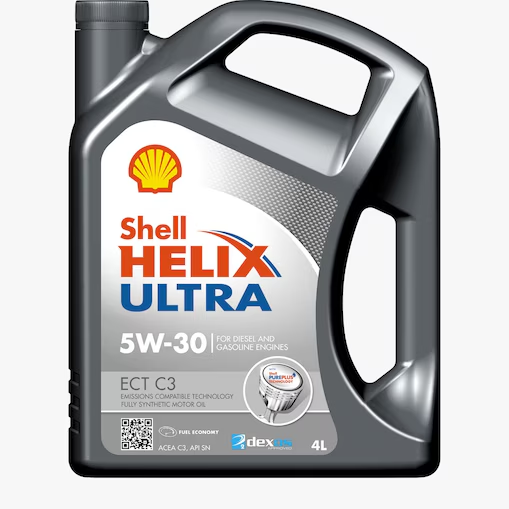
| Shell Helix Ultra ECT C3 5W‑30 | |
|---|---|
| SAE 5W‑30 | ✔ |
| ACEA C3 | ✔ |
| API SN/CF | ✔ |
| BMW Longlife‑04 | ✔ |
| MB‑Approval 226.5 / 229.31 / 229.51 / 229.52 | ✔ |
| Opel OV 0401547‑D30 / G30 | ✔ |
| Fiat 9.55535‑S3 | ✔ |
| Renault RN0700 / RN0710 | ✔ |
| VW 505.00 / 505.01 | ✔ |
| dexos2 | ❓ |
Olajspecifikációk jelmagyarázata
✔ – Megfelel az előírt specifikációnak
❓ – Nincs kifejezetten feltüntetve (óvatosan: ellenőrizd a jármű kézikönyvét)
❌ – Nem felel meg az előírt specifikációnak. Használata motorproblémákat okozhat.
✔ – Megfelel az előírt specifikációnak
❓ – Nincs kifejezetten feltüntetve (óvatosan: ellenőrizd a jármű kézikönyvét)
❌ – Nem felel meg az előírt specifikációnak. Használata motorproblémákat okozhat.
Amazon partnerként jutalékot kaphatunk a megfelelő vásárlások után.
A választ az MI generálta.
Motorolaj-specifikációk B20NHT LTG motor
SAE 5W-30
ACEA C3
API SN
GM-LL-A-025
GM-LL-B-025
A B20NHT LTG motor.
Engine B20NHT LTG
Symptoms:
- Loss of power or reduced engine performance
- Rough idling or engine misfires
- Increased oil consumption or oil leaks
- Turbocharger whining or lag
- Check Engine Light (CEL) illumination with related fault codes
Diagnosis:
- Perform a thorough diagnostic scan to identify stored fault codes, focusing on turbocharger, ignition, and fuel system errors.
- Inspect the turbocharger for shaft play, oil leaks, and proper boost pressure.
- Check ignition coils and spark plugs for wear or fouling, common causes of misfires.
- Examine the intake system for leaks or blockages affecting air flow.
- Assess the engine oil level and quality; low or degraded oil can cause turbo and engine damage.
- Conduct a compression test to rule out internal engine wear.
Fixes:
- Replace faulty ignition coils or spark plugs to resolve misfires and rough running.
- Repair or replace the turbocharger if excessive shaft play or oil leakage is found.
- Fix any intake leaks by replacing gaskets or hoses to restore proper boost and air flow.
- Change engine oil and filter regularly with manufacturer-recommended grades to protect engine components.
- Address any coolant leaks or overheating issues promptly to prevent engine damage.
- Update engine control software if manufacturer releases improvements for engine management.
Prevention:
- Adhere strictly to scheduled maintenance intervals, including oil and filter changes.
- Use high-quality fuel and oil to maintain engine health.
- Allow the engine to warm up before driving aggressively to protect the turbocharger.
- Avoid shutting down the engine immediately after high-load driving; let it idle briefly to cool the turbo.
- Regularly inspect ignition components and replace them as recommended.
- Monitor for early signs of issues such as unusual noises or warning lights and address them promptly.
Following these guidelines helps maintain the B20NHT LTG engine’s reliability and performance in Opel and Vauxhall Insignia A 2.0 SIDI Turbo 4x4 models from 2013 to 2015.
Symptoms:
- Loss of power or reduced engine performance
- Rough idling or engine misfires
- Increased oil consumption or oil leaks
- Turbocharger whining or lag
- Check Engine Light (CEL) illumination with related fault codes
Diagnosis:
- Perform a thorough diagnostic scan to identify stored fault codes, focusing on turbocharger, ignition, and fuel system errors.
- Inspect the turbocharger for shaft play, oil leaks, and proper boost pressure.
- Check ignition coils and spark plugs for wear or fouling, common causes of misfires.
- Examine the intake system for leaks or blockages affecting air flow.
- Assess the engine oil level and quality; low or degraded oil can cause turbo and engine damage.
- Conduct a compression test to rule out internal engine wear.
Fixes:
- Replace faulty ignition coils or spark plugs to resolve misfires and rough running.
- Repair or replace the turbocharger if excessive shaft play or oil leakage is found.
- Fix any intake leaks by replacing gaskets or hoses to restore proper boost and air flow.
- Change engine oil and filter regularly with manufacturer-recommended grades to protect engine components.
- Address any coolant leaks or overheating issues promptly to prevent engine damage.
- Update engine control software if manufacturer releases improvements for engine management.
Prevention:
- Adhere strictly to scheduled maintenance intervals, including oil and filter changes.
- Use high-quality fuel and oil to maintain engine health.
- Allow the engine to warm up before driving aggressively to protect the turbocharger.
- Avoid shutting down the engine immediately after high-load driving; let it idle briefly to cool the turbo.
- Regularly inspect ignition components and replace them as recommended.
- Monitor for early signs of issues such as unusual noises or warning lights and address them promptly.
Following these guidelines helps maintain the B20NHT LTG engine’s reliability and performance in Opel and Vauxhall Insignia A 2.0 SIDI Turbo 4x4 models from 2013 to 2015.