Motorkód
Transaxle e-CVT Q410 1/1 motorral szerelt járművek listája:
Mely autókban található a Transaxle e-CVT Q410 1/1 motor, és milyen motorolajat érdemes használni hozzá? A Transaxle e-CVT Q410 1/1 motor gyakori hibái, tünetei, diagnosztikája, megelőzése és javítása.
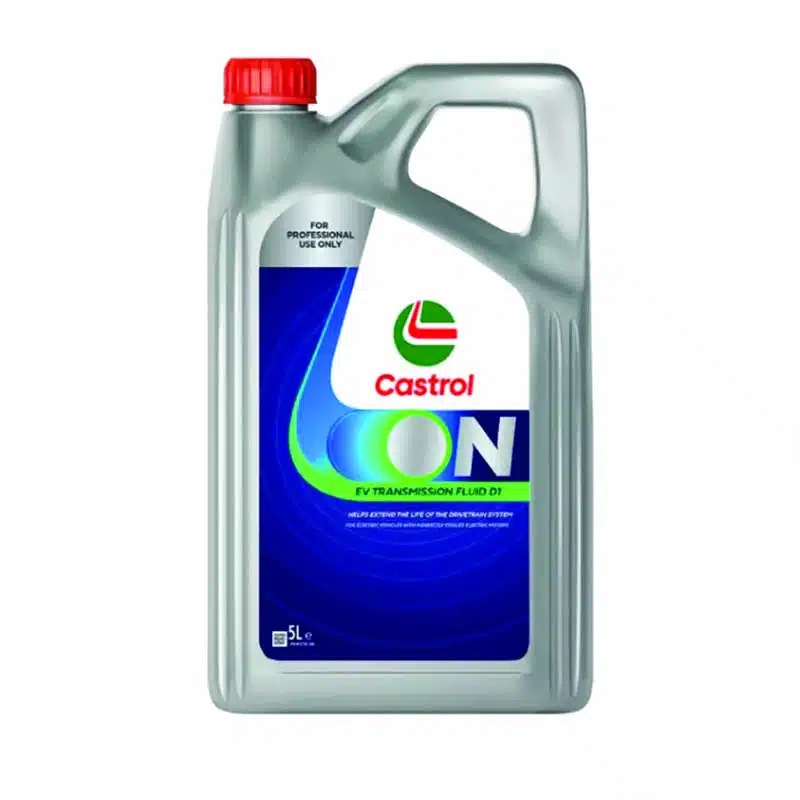
Ajánlott motorolaj a motorhoz Transaxle e-CVT Q410 1/1 motor leggyakoribb problémái, tünetei és javítási megoldásai.
Kérdezd meg a MI-t bármely motorkódról
Csak motorkódokkal kapcsolatos kérdések (márka/modell/motortípus/gyártási évek).
Olajspecifikációk jelmagyarázata
✔ – Megfelel az előírt specifikációnak
❓ – Nincs kifejezetten feltüntetve (óvatosan: ellenőrizd a jármű kézikönyvét)
❌ – Nem felel meg az előírt specifikációnak. Használata motorproblémákat okozhat.
✔ – Megfelel az előírt specifikációnak
❓ – Nincs kifejezetten feltüntetve (óvatosan: ellenőrizd a jármű kézikönyvét)
❌ – Nem felel meg az előírt specifikációnak. Használata motorproblémákat okozhat.
Amazon partnerként jutalékot kaphatunk a megfelelő vásárlások után.
A választ az MI generálta.
Motorolaj-specifikációk Transaxle e-CVT Q410 1/1 motor
NO INFO -
A Transaxle e-CVT Q410 1/1 motor.
Engine Transaxle e-CVT Q410 1/1
Symptoms:
- Reduced power output or sluggish acceleration
- Unusual noises such as whining or grinding from the transaxle area
- Transmission slipping or hesitation during gear changes
- Warning lights on the dashboard related to the transmission or hybrid system
- Overheating of the transaxle or related components
Diagnosis:
- Perform a diagnostic scan using Toyota’s specialized diagnostic tools to check for error codes related to the e-CVT system
- Inspect transmission fluid levels and condition; low or contaminated fluid can cause performance issues
- Check for mechanical wear or damage in the transaxle assembly, including bearings and gears
- Verify the operation of the electronic control unit (ECU) managing the e-CVT for any faults or software issues
- Examine cooling system components to ensure proper temperature regulation of the transaxle
Fixes:
- Replace or top up transmission fluid with manufacturer-recommended fluid if levels are low or fluid is degraded
- Repair or replace worn or damaged mechanical components within the transaxle as needed
- Update or reflash the ECU software to the latest version to resolve control issues
- Replace faulty sensors or actuators that affect transmission operation
- Address cooling system faults, such as radiator or pump failures, to prevent overheating
Prevention:
- Regularly service the vehicle according to Toyota’s maintenance schedule, including transmission fluid changes
- Monitor dashboard warning lights promptly and seek professional diagnosis if any transmission-related alerts appear
- Avoid aggressive driving habits that place excessive strain on the transaxle and hybrid system
- Keep the cooling system in good condition to maintain optimal operating temperatures
- Use only Toyota-approved fluids and parts to ensure compatibility and longevity of the e-CVT system
Symptoms:
- Reduced power output or sluggish acceleration
- Unusual noises such as whining or grinding from the transaxle area
- Transmission slipping or hesitation during gear changes
- Warning lights on the dashboard related to the transmission or hybrid system
- Overheating of the transaxle or related components
Diagnosis:
- Perform a diagnostic scan using Toyota’s specialized diagnostic tools to check for error codes related to the e-CVT system
- Inspect transmission fluid levels and condition; low or contaminated fluid can cause performance issues
- Check for mechanical wear or damage in the transaxle assembly, including bearings and gears
- Verify the operation of the electronic control unit (ECU) managing the e-CVT for any faults or software issues
- Examine cooling system components to ensure proper temperature regulation of the transaxle
Fixes:
- Replace or top up transmission fluid with manufacturer-recommended fluid if levels are low or fluid is degraded
- Repair or replace worn or damaged mechanical components within the transaxle as needed
- Update or reflash the ECU software to the latest version to resolve control issues
- Replace faulty sensors or actuators that affect transmission operation
- Address cooling system faults, such as radiator or pump failures, to prevent overheating
Prevention:
- Regularly service the vehicle according to Toyota’s maintenance schedule, including transmission fluid changes
- Monitor dashboard warning lights promptly and seek professional diagnosis if any transmission-related alerts appear
- Avoid aggressive driving habits that place excessive strain on the transaxle and hybrid system
- Keep the cooling system in good condition to maintain optimal operating temperatures
- Use only Toyota-approved fluids and parts to ensure compatibility and longevity of the e-CVT system