Motorkód
B4204T15 motorral szerelt járművek listája:
Mely autókban található a B4204T15 motor, és milyen motorolajat érdemes használni hozzá? A B4204T15 motor gyakori hibái, tünetei, diagnosztikája, megelőzése és javítása.
- VOLVO - S60 T5 (162kW) 2013–2017
- VOLVO - V60 T5 (162kW) 2013–2018
- VOLVO - S80 T5 (162kW) 2013–2016
- VOLVO - XC60 T5 (162kW) 2013–2017
- VOLVO - V40 T5 (162kW) 2015–2017
- VOLVO - V40 Cross Country T5 (162kW) 2015–2018
Ajánlott motorolaj a motorhoz B4204T15 motor leggyakoribb problémái, tünetei és javítási megoldásai.
Kérdezd meg a MI-t bármely motorkódról
Csak motorkódokkal kapcsolatos kérdések (márka/modell/motortípus/gyártási évek).

| Castrol EDGE 0W-20 V | |
|---|---|
| ACEA C5 | ✔ |
| Volvo VCC RBS0-2AE | ✔ |
| API SP | ❌ |
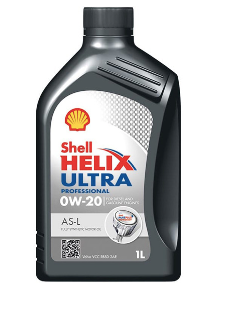
| Shell Helix Ultra Professional AS-L 0W-20 | |
|---|---|
| ACEA C5 | ✔ |
| Volvo VCC RBS0-2AE | ✔ |
| API SP | ❌ |

| Mobil Super 3000 Formula VC 0W-20 | |
|---|---|
| ACEA C5 | ✔ |
| Volvo VCC RBS0-2AE | ✔ |
| API SP | ✔ |

| Liqui Moly Special Tec V 0W-20 | |
|---|---|
| ACEA C5 | ✔ |
| Volvo VCC RBS0-2AE | ✔ |
| API SP | ✔ |
Olajspecifikációk jelmagyarázata
✔ – Megfelel az előírt specifikációnak
❓ – Nincs kifejezetten feltüntetve (óvatosan: ellenőrizd a jármű kézikönyvét)
❌ – Nem felel meg az előírt specifikációnak. Használata motorproblémákat okozhat.
✔ – Megfelel az előírt specifikációnak
❓ – Nincs kifejezetten feltüntetve (óvatosan: ellenőrizd a jármű kézikönyvét)
❌ – Nem felel meg az előírt specifikációnak. Használata motorproblémákat okozhat.
Amazon partnerként jutalékot kaphatunk a megfelelő vásárlások után.
A választ az MI generálta.
Motorolaj-specifikációk B4204T15 motor
SAE 0W-20
ACEA C3
API SN
VW 507.00
MB 229.51
Volvo VCC RBS0-2AE
A B4204T15 motor.
Engine B4204T15
Symptoms:
- Rough idling and hesitation during acceleration
- Loss of power or reduced engine performance
- Check Engine Light (CEL) illumination
- Excessive oil consumption or oil leaks
- Unusual noises such as ticking or knocking from the engine
Diagnosis:
- Inspect for turbocharger issues, as the B4204T15 is a turbocharged engine prone to turbo failure or boost leaks
- Check for intake manifold and intercooler leaks causing boost pressure loss
- Perform a diagnostic scan to identify fault codes related to ignition coils, fuel injectors, or sensors (e.g., MAF, MAP)
- Examine the PCV (Positive Crankcase Ventilation) system for clogging or malfunction, which can cause rough running and oil leaks
- Inspect timing chain tensioner and guides for wear, as timing chain issues can cause noise and performance problems
Fixes:
- Replace faulty turbocharger components or repair boost leaks by replacing hoses or intercooler parts
- Clean or replace clogged PCV valves and hoses to restore proper crankcase ventilation
- Replace worn ignition coils or fuel injectors as indicated by diagnostic trouble codes
- Repair oil leaks by replacing gaskets or seals, especially around the valve cover and turbocharger oil lines
- If timing chain tensioner or guides are worn, replace them promptly to avoid severe engine damage
Prevention:
- Regularly change engine oil and use manufacturer-recommended oil grade to ensure proper lubrication, especially for the turbocharger
- Follow scheduled maintenance intervals for air filter and PCV system cleaning or replacement
- Avoid aggressive driving that can overstress the turbocharger and engine components
- Monitor for early signs of oil leaks or unusual noises and address them promptly
- Use quality fuel to prevent injector clogging and maintain optimal combustion
By adhering to these diagnostic steps, fixes, and preventive measures, owners of vehicles equipped with the B4204T15 engine can maintain reliable performance and longevity.
Symptoms:
- Rough idling and hesitation during acceleration
- Loss of power or reduced engine performance
- Check Engine Light (CEL) illumination
- Excessive oil consumption or oil leaks
- Unusual noises such as ticking or knocking from the engine
Diagnosis:
- Inspect for turbocharger issues, as the B4204T15 is a turbocharged engine prone to turbo failure or boost leaks
- Check for intake manifold and intercooler leaks causing boost pressure loss
- Perform a diagnostic scan to identify fault codes related to ignition coils, fuel injectors, or sensors (e.g., MAF, MAP)
- Examine the PCV (Positive Crankcase Ventilation) system for clogging or malfunction, which can cause rough running and oil leaks
- Inspect timing chain tensioner and guides for wear, as timing chain issues can cause noise and performance problems
Fixes:
- Replace faulty turbocharger components or repair boost leaks by replacing hoses or intercooler parts
- Clean or replace clogged PCV valves and hoses to restore proper crankcase ventilation
- Replace worn ignition coils or fuel injectors as indicated by diagnostic trouble codes
- Repair oil leaks by replacing gaskets or seals, especially around the valve cover and turbocharger oil lines
- If timing chain tensioner or guides are worn, replace them promptly to avoid severe engine damage
Prevention:
- Regularly change engine oil and use manufacturer-recommended oil grade to ensure proper lubrication, especially for the turbocharger
- Follow scheduled maintenance intervals for air filter and PCV system cleaning or replacement
- Avoid aggressive driving that can overstress the turbocharger and engine components
- Monitor for early signs of oil leaks or unusual noises and address them promptly
- Use quality fuel to prevent injector clogging and maintain optimal combustion
By adhering to these diagnostic steps, fixes, and preventive measures, owners of vehicles equipped with the B4204T15 engine can maintain reliable performance and longevity.