Motorkód
820 motorral szerelt járművek listája:
Mely autókban található a 820 motor, és milyen motorolajat érdemes használni hozzá? A 820 motor gyakori hibái, tünetei, diagnosztikája, megelőzése és javítása.
- RENAULT - Laguna III 2.0 dCi 180 DPF (131kW) 2008–2015
- RENAULT - Laguna III 2.0 dCi 180 (131kW) 2008–2015
- RENAULT - Laguna Coupé 2.0 dCi 180 (131kW) 2008–2015
- RENAULT - Laguna Coupé 2.0 dCi 180 DPF (131kW) 2008–2015
Ajánlott motorolaj a motorhoz 820 motor leggyakoribb problémái, tünetei és javítási megoldásai.
Kérdezd meg a MI-t bármely motorkódról
Csak motorkódokkal kapcsolatos kérdések (márka/modell/motortípus/gyártási évek).
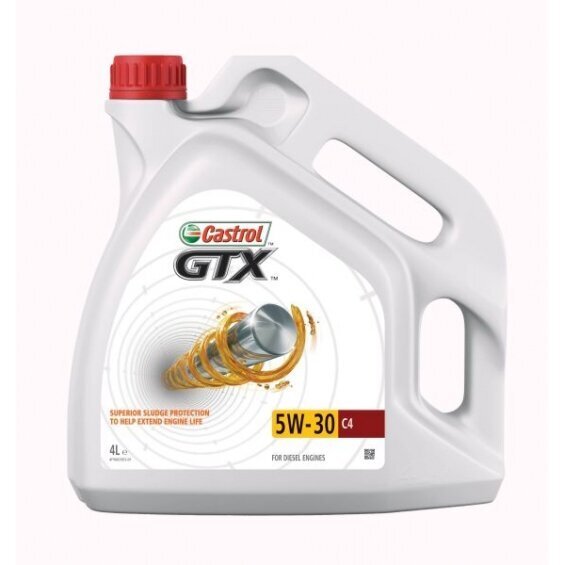
| Castrol GTX 5W-30 C4 | |
|---|---|
| ACEA C4 | ✔ |
| MB-Approval 226.51 | ✔ |
| Renault RN0720 | ✔ |

| Mobil Super 3000 Formula R 5W-30 | |
|---|---|
| ACEA C4 | ✔ |
| MB-Approval 226.51 | ✔ |
| Renault RN0720 | ✔ |
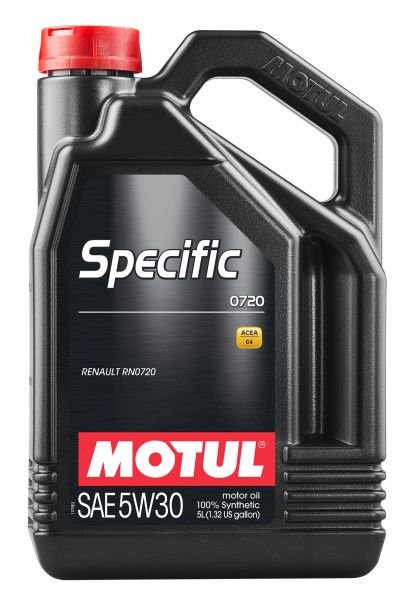
| Motul Specific 0720 5W-30 C4 | |
|---|---|
| ACEA C4 | ✔ |
| MB-Approval 226.51 | ✔ |
| Renault RN0720 | ✔ |
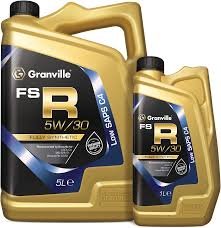
| Granville FS-R 5W-30 | |
|---|---|
| ACEA C4 | ✔ |
| MB-Approval 226.51 | ✔ |
| Renault RN0720 | ✔ |
Olajspecifikációk jelmagyarázata
✔ – Megfelel az előírt specifikációnak
❓ – Nincs kifejezetten feltüntetve (óvatosan: ellenőrizd a jármű kézikönyvét)
❌ – Nem felel meg az előírt specifikációnak. Használata motorproblémákat okozhat.
✔ – Megfelel az előírt specifikációnak
❓ – Nincs kifejezetten feltüntetve (óvatosan: ellenőrizd a jármű kézikönyvét)
❌ – Nem felel meg az előírt specifikációnak. Használata motorproblémákat okozhat.
Amazon partnerként jutalékot kaphatunk a megfelelő vásárlások után.
A választ az MI generálta.
Motorolaj-specifikációk 820 motor
ACEA C4
API CI-4+
SAE 5W-30
RN0700
RN0710
A 820 motor.
Engine 820
Symptoms:
- Loss of power and reduced acceleration
- Excessive smoke from the exhaust, particularly black or blue smoke
- Engine warning light illuminated on the dashboard
- Rough idling or stalling
- Increased fuel consumption
- Difficulty starting the engine, especially in cold conditions
Diagnosis:
- Check for fault codes using an OBD-II scanner to identify specific sensor or system faults
- Inspect the turbocharger for signs of wear or damage, as turbo failure is common
- Examine the diesel particulate filter (DPF) for clogging or regeneration issues, especially on DPF-equipped models
- Test the fuel injectors for proper operation and leaks
- Verify the condition of the EGR (Exhaust Gas Recirculation) valve for carbon buildup or malfunction
- Inspect the timing belt and tensioner for wear or incorrect tension, as timing issues can cause performance problems
Fixes:
- Replace or repair faulty turbochargers to restore boost pressure and engine performance
- Clean or replace the DPF if clogged; perform forced regeneration if appropriate
- Service or replace malfunctioning fuel injectors to ensure correct fuel delivery
- Clean or replace the EGR valve to prevent rough idling and emissions problems
- Replace the timing belt and tensioner at recommended intervals to avoid engine damage
- Address any sensor faults by replacing defective sensors (e.g., MAF, MAP, oxygen sensors)
Prevention:
- Follow the manufacturer’s recommended maintenance schedule, including timely oil and filter changes
- Use high-quality diesel fuel to reduce injector and DPF contamination
- Avoid frequent short trips that prevent the DPF from reaching regeneration temperature
- Regularly inspect and maintain the turbocharger and EGR system to prevent carbon buildup
- Replace the timing belt and related components at specified mileage intervals to prevent catastrophic failure
- Monitor dashboard warnings promptly and address issues early to avoid costly repairs
Symptoms:
- Loss of power and reduced acceleration
- Excessive smoke from the exhaust, particularly black or blue smoke
- Engine warning light illuminated on the dashboard
- Rough idling or stalling
- Increased fuel consumption
- Difficulty starting the engine, especially in cold conditions
Diagnosis:
- Check for fault codes using an OBD-II scanner to identify specific sensor or system faults
- Inspect the turbocharger for signs of wear or damage, as turbo failure is common
- Examine the diesel particulate filter (DPF) for clogging or regeneration issues, especially on DPF-equipped models
- Test the fuel injectors for proper operation and leaks
- Verify the condition of the EGR (Exhaust Gas Recirculation) valve for carbon buildup or malfunction
- Inspect the timing belt and tensioner for wear or incorrect tension, as timing issues can cause performance problems
Fixes:
- Replace or repair faulty turbochargers to restore boost pressure and engine performance
- Clean or replace the DPF if clogged; perform forced regeneration if appropriate
- Service or replace malfunctioning fuel injectors to ensure correct fuel delivery
- Clean or replace the EGR valve to prevent rough idling and emissions problems
- Replace the timing belt and tensioner at recommended intervals to avoid engine damage
- Address any sensor faults by replacing defective sensors (e.g., MAF, MAP, oxygen sensors)
Prevention:
- Follow the manufacturer’s recommended maintenance schedule, including timely oil and filter changes
- Use high-quality diesel fuel to reduce injector and DPF contamination
- Avoid frequent short trips that prevent the DPF from reaching regeneration temperature
- Regularly inspect and maintain the turbocharger and EGR system to prevent carbon buildup
- Replace the timing belt and related components at specified mileage intervals to prevent catastrophic failure
- Monitor dashboard warnings promptly and address issues early to avoid costly repairs