Engine code
Vehicles using TU3FM/Z engine list:
Which cars use the TU3FM/Z engine and what oil to use. Common TU3FM/Z engine faults, symptoms, diagnosis, prevention and repair.
Recommended oil for engine TU3FM/Z engine.
Ask AI about any Engine code
Questions strictly about engine codes (brand/model/engine type/production years).
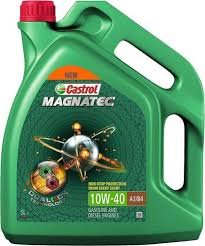
| Castrol MAGNATEC 10W-40 A3/B4 | |
|---|---|
| SAE 10W-40 | ✔ |
| ACEA A3/B3 | ✔ |
| ACEA A3/B4 | ✔ |
| API SN | ✔ |
| Fiat 9.55535-D2 | ✔ |
| MB-Approval 226.5 | ✔ |
| Renault RN0700 | ✔ |
| Renault RN0710 | ✔ |
| VW 501 01 | ✔ |
| VW 505 00 | ✔ |
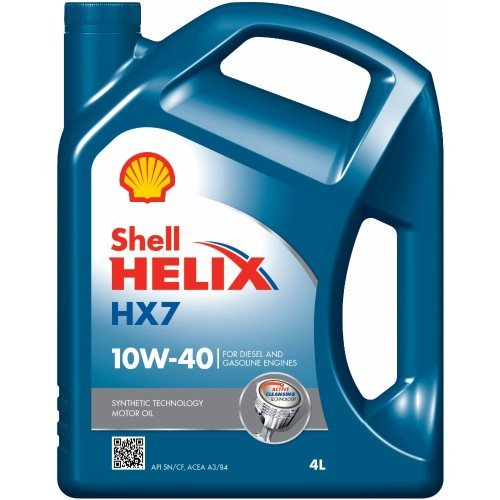
| Shell Helix HX7 10W-40 | |
|---|---|
| SAE 10W-40 | ✔ |
| ACEA A3/B3 | ✔ |
| ACEA A3/B4 | ✔ |
| API SN | ✔ |
| Fiat 9.55535-D2 | ❓ |
| MB-Approval 226.5 | ❓ |
| Renault RN0700 | ✔ |
| Renault RN0710 | ✔ |
| VW 501 01 | ❌ |
| VW 505 00 | ✔ |
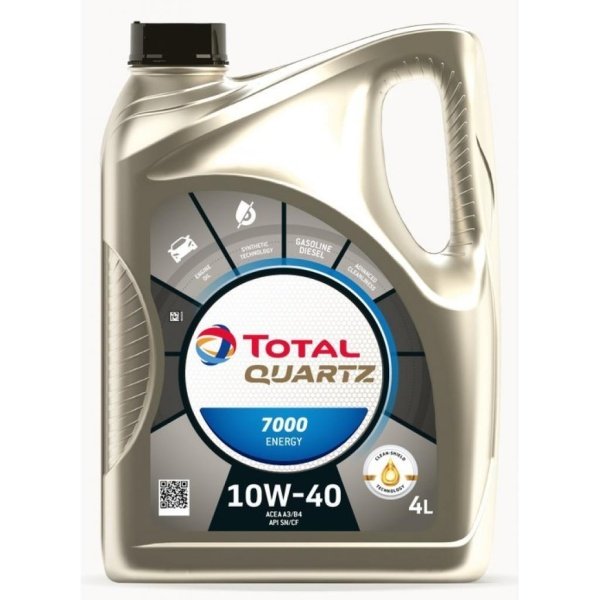
| Total Quartz 7000 10W-40 | |
|---|---|
| SAE 10W-40 | ✔ |
| ACEA A3/B3 | ❓ |
| ACEA A3/B4 | ✔ |
| API SN | ✔ |
| Fiat 9.55535-D2 | ❌ |
| MB-Approval 226.5 | ❓ |
| Renault RN0700 | ❌ |
| Renault RN0710 | ❌ |
| VW 501 01 | ✔ |
| VW 505 00 | ✔ |
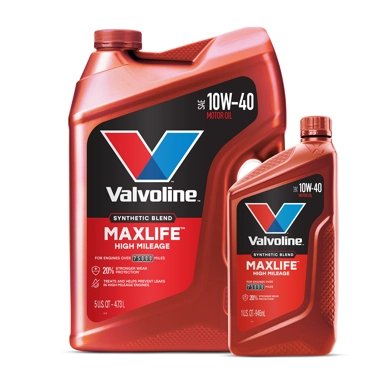
| Valvoline MaxLife 10W-40 | |
|---|---|
| SAE 10W-40 | ✔ |
| ACEA A3/B3 | ❓ |
| ACEA A3/B4 | ✔ |
| API SN | ✔ |
| Fiat 9.55535-D2 | ✔ |
| MB-Approval 226.5 | ❓ |
| Renault RN0700 | ✔ |
| Renault RN0710 | ✔ |
| VW 501 01 | ❌ |
| VW 505 00 | ✔ |
Oil specification key
✔ – Meets the required specification
❓ – Not explicitly stated (use caution; check your vehicle manual)
❌ – Does not meet required specification. Use may cause engine issues.
✔ – Meets the required specification
❓ – Not explicitly stated (use caution; check your vehicle manual)
❌ – Does not meet required specification. Use may cause engine issues.
As an Amazon Associate, we may earn from qualifying purchases.
Answer generated by AI.
Oil specifications for TU3FM/Z engine
SAE 10W-40
API SJ
PSA B71 2290
Most common problems, symptoms & fixes for the TU3FM/Z engine.
Engine TU3FM/Z commonly faces issues like timing belt wear, coolant leaks, and carburetor or fuel injection problems. Diagnosis includes checking for unusual noises indicating timing belt wear, inspecting coolant levels and hoses for leaks, and monitoring engine performance for fuel delivery issues. Prevention involves regular timing belt replacement every 60,000-80,000 km, maintaining coolant system integrity, and cleaning or servicing the carburetor/fuel injectors periodically. Solutions include timely timing belt replacement to avoid engine damage, fixing leaks by replacing gaskets or hoses, and tuning or rebuilding the carburetor or fuel injection system to restore optimal performance. Regular maintenance ensures reliability.