Engine code
Vehicles using DRTA engine list:
Which cars use the DRTA engine and what oil to use. Common DRTA engine faults, symptoms, diagnosis, prevention and repair.
- PORSCHE - 911 Carrera (283kW) 2019–2020
- PORSCHE - 911 Carrera 4 (283kW) 2019–2020
- PORSCHE - 911 Carrera Cabriolet (283kW) 2019–2020
- PORSCHE - 911 Carrera 4 Cabriolet (283kW) 2019–2020
- PORSCHE - 911 Carrera (283kW) 2020–2025
- PORSCHE - 911 Carrera 4 (283kW) 2020–2025
- PORSCHE - 911 Carrera Cabriolet (283kW) 2020–2025
- PORSCHE - 911 Carrera 4 Cabriolet (283kW) 2020–2025
- PORSCHE - 911 Targa 4 (283kW) 2020–2025
- PORSCHE - 911 Carrera T (283kW) 2022–2025
Recommended oil for engine DRTA engine.
Ask AI about any Engine code
Questions strictly about engine codes (brand/model/engine type/production years).
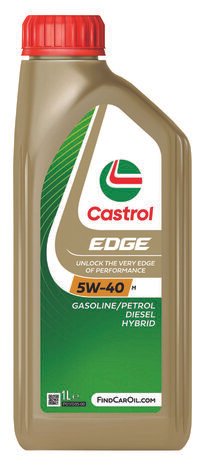
| Castrol EDGE 5W-40 M | |
|---|---|
| SAE 5W-40 | ✔ |
| ACEA C3 | ✔ |
| API SN PLUS/CF | ✔ |
| MB-Approval 226.5/229.31/229.51 | ✔ |
| Opel OV 0401547-D40 | ✔ |
| Porsche A40 | ✔ |
| Renault RN 0700/0710 | ✔ |
| VW 505.00/505.01 | ✔ |
| Fiat 9.55535-S2 | ✔ |
| Ford WSS-M2C917-A | ✔ |
| dexos2 | ✔ |
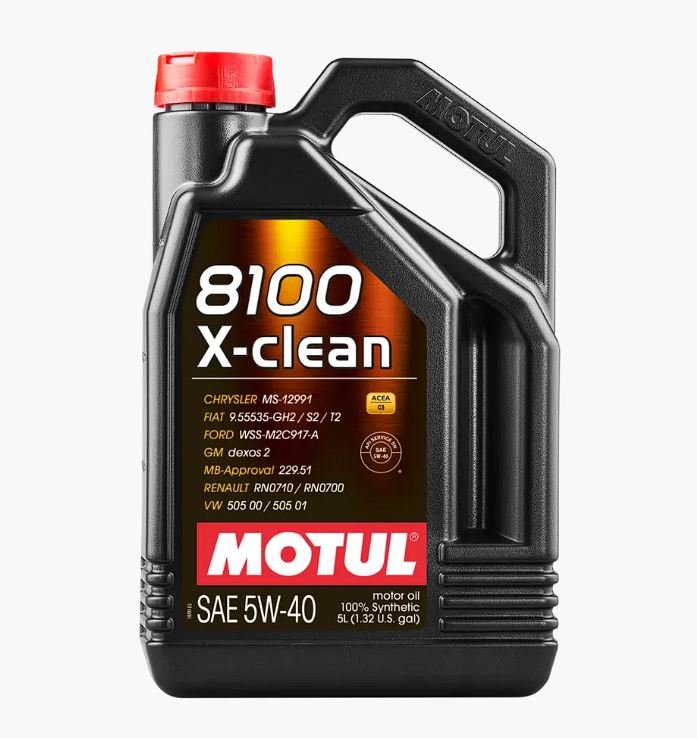
| Motul 8100 X-Clean Gen2 5W-40 | |
|---|---|
| SAE 5W-40 | ✔ |
| ACEA C3 | ✔ |
| API SN/CF | ✔ |
| MB-Approval 226.5/229.31/229.51 | ✔ |
| Opel OV 0401547-D40 | ✔ |
| Porsche A40 | ✔ |
| Renault RN 0700/0710 | ✔ |
| VW 505.00/505.01 | ✔ |
| Fiat 9.55535-S2 | ✔ |
| Ford WSS-M2C917-A | ✔ |
| dexos2 | ✔ |

| RAVENOL VST 5W-40 | |
|---|---|
| SAE 5W-40 | ✔ |
| ACEA A3/B4 | ✔ |
| API SN/CF | ✔ |
| MB-Approval 229.5/226.5 | ❓ |
| Opel OV 0401547 | ❌ |
| Porsche A40 | ✔ |
| Renault RN 0700/0710 | ✔ |
| VW 505.00/505.01 | ✔ |
| Fiat 9.55535-S2 | ✔ |
| Ford WSS-M2C917-A | ✔ |
| dexos2 | ✔ |
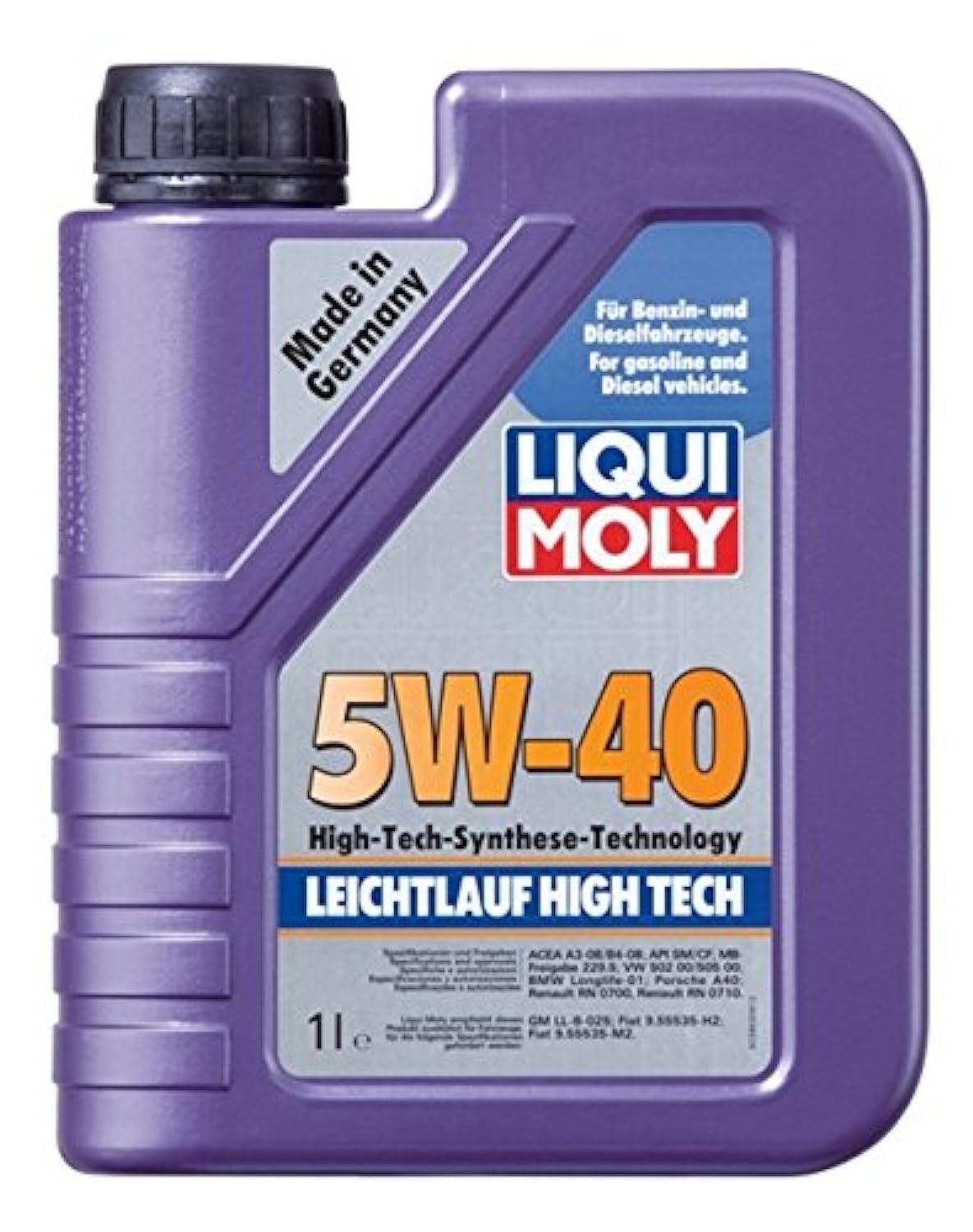
| Liqui Moly Leichtlauf High Tech 5W-40 | |
|---|---|
| SAE 5W-40 | ✔ |
| ACEA A3/B4 | ✔ |
| API SN/CF | ✔ |
| MB 229.5 | ❓ |
| Opel OV 0401547 | ❌ |
| Porsche A40 | ✔ |
| Renault RN 0700/0710 | ✔ |
| VW 505.00/505.01 | ✔ |
| Fiat 9.55535-S2 | ✔ |
| Ford WSS-M2C917-A | ✔ |
| dexos2 | ✔ |
Oil specification key
✔ – Meets the required specification
❓ – Not explicitly stated (use caution; check your vehicle manual)
❌ – Does not meet required specification. Use may cause engine issues.
✔ – Meets the required specification
❓ – Not explicitly stated (use caution; check your vehicle manual)
❌ – Does not meet required specification. Use may cause engine issues.
As an Amazon Associate, we may earn from qualifying purchases.
Answer generated by AI.
Oil specifications for DRTA engine
SAE 0W-40
ACEA C3
Porsche C40
Most common problems, symptoms & fixes for the DRTA engine.
Engine DRTA
Symptoms:
- Rough idling or engine misfire
- Reduced engine power or hesitation during acceleration
- Check Engine Light (CEL) illumination
- Increased fuel consumption
- Unusual engine noises or vibrations
Diagnosis:
- Perform an OBD-II scan to retrieve fault codes related to ignition, fuel, or emissions systems.
- Inspect ignition coils and spark plugs for wear or damage.
- Check for vacuum leaks or intake manifold gasket issues.
- Test fuel injectors for proper operation and cleanliness.
- Verify proper operation of sensors such as MAF (Mass Air Flow), MAP (Manifold Absolute Pressure), and oxygen sensors.
- Conduct a compression test to rule out mechanical engine issues.
- Inspect the PCV (Positive Crankcase Ventilation) system for blockages or leaks.
Fixes:
- Replace faulty ignition coils or spark plugs as needed.
- Repair or replace damaged vacuum lines or intake gaskets.
- Clean or replace clogged fuel injectors.
- Replace malfunctioning sensors identified during diagnosis.
- Address any mechanical issues found during compression testing.
- Service or replace the PCV valve/system components.
- Update engine control software if manufacturer recalls or technical service bulletins (TSBs) are available.
Prevention:
- Follow the manufacturer’s recommended maintenance schedule for spark plugs, ignition components, and fuel system cleaning.
- Use high-quality fuel and engine oil to reduce deposits and wear.
- Regularly inspect vacuum lines and intake components for leaks.
- Keep the air filter clean to ensure proper airflow.
- Address any warning lights promptly to prevent further damage.
- Ensure timely software updates during routine servicing at authorized Porsche centers.
Symptoms:
- Rough idling or engine misfire
- Reduced engine power or hesitation during acceleration
- Check Engine Light (CEL) illumination
- Increased fuel consumption
- Unusual engine noises or vibrations
Diagnosis:
- Perform an OBD-II scan to retrieve fault codes related to ignition, fuel, or emissions systems.
- Inspect ignition coils and spark plugs for wear or damage.
- Check for vacuum leaks or intake manifold gasket issues.
- Test fuel injectors for proper operation and cleanliness.
- Verify proper operation of sensors such as MAF (Mass Air Flow), MAP (Manifold Absolute Pressure), and oxygen sensors.
- Conduct a compression test to rule out mechanical engine issues.
- Inspect the PCV (Positive Crankcase Ventilation) system for blockages or leaks.
Fixes:
- Replace faulty ignition coils or spark plugs as needed.
- Repair or replace damaged vacuum lines or intake gaskets.
- Clean or replace clogged fuel injectors.
- Replace malfunctioning sensors identified during diagnosis.
- Address any mechanical issues found during compression testing.
- Service or replace the PCV valve/system components.
- Update engine control software if manufacturer recalls or technical service bulletins (TSBs) are available.
Prevention:
- Follow the manufacturer’s recommended maintenance schedule for spark plugs, ignition components, and fuel system cleaning.
- Use high-quality fuel and engine oil to reduce deposits and wear.
- Regularly inspect vacuum lines and intake components for leaks.
- Keep the air filter clean to ensure proper airflow.
- Address any warning lights promptly to prevent further damage.
- Ensure timely software updates during routine servicing at authorized Porsche centers.