Engine code
Vehicles using B230K engine list:
Which cars use the B230K engine and what oil to use. Common B230K engine faults, symptoms, diagnosis, prevention and repair.
Ask AI about any Engine code
Questions strictly about engine codes (brand/model/engine type/production years).
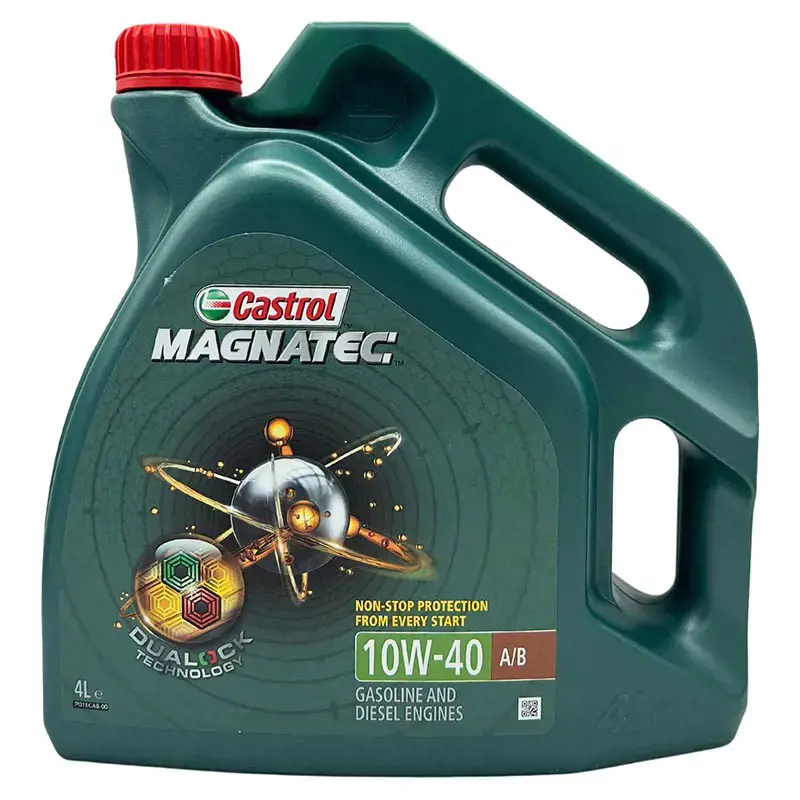
| Castrol MAGNATEC 10W‑40 A/B | |
|---|---|
| SAE 10W‑40 | ✔ |
| ACEA A3/B4 | ✔ |
| API SP | ✔ |
| MB‑Approval 226.5/229.3 | ✔ |
| Renault RN0700 / RN0710 | ✔ |
| VW 501 01 / 505 00 | ✔ |
| Fiat 9.55535‑D2 | ✔ |
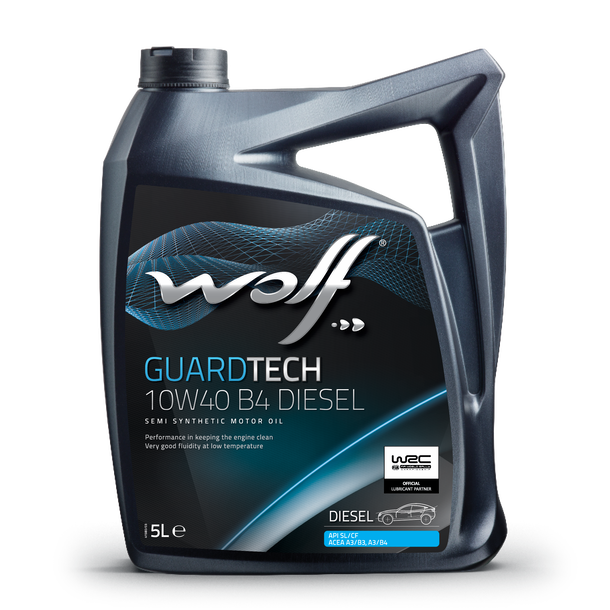
| Wolf GuardTech 10W‑40 B4 | |
|---|---|
| ACEA A3/B4 | ✔ |
| API SN | ✔ |
| MB‑Approval 229.1 | ❓ |
| Renault RN0700 / RN0710 | ✔ |
| VW 501 01 / 505 00 | ✔ |
| Fiat 9.55535‑D2 | ✔ |
| Champion Active Defence 10W‑40 B4 | |
|---|---|
| ACEA A3/B4 | ✔ |
| API SN | ✔ |
| MB‑Approval 229.1 | ❓ |
| Renault RN0700 / RN0710 | ✔ |
| VW 501 01 / 505 00 | ✔ |
| Fiat 9.55535‑D2 | ✔ |
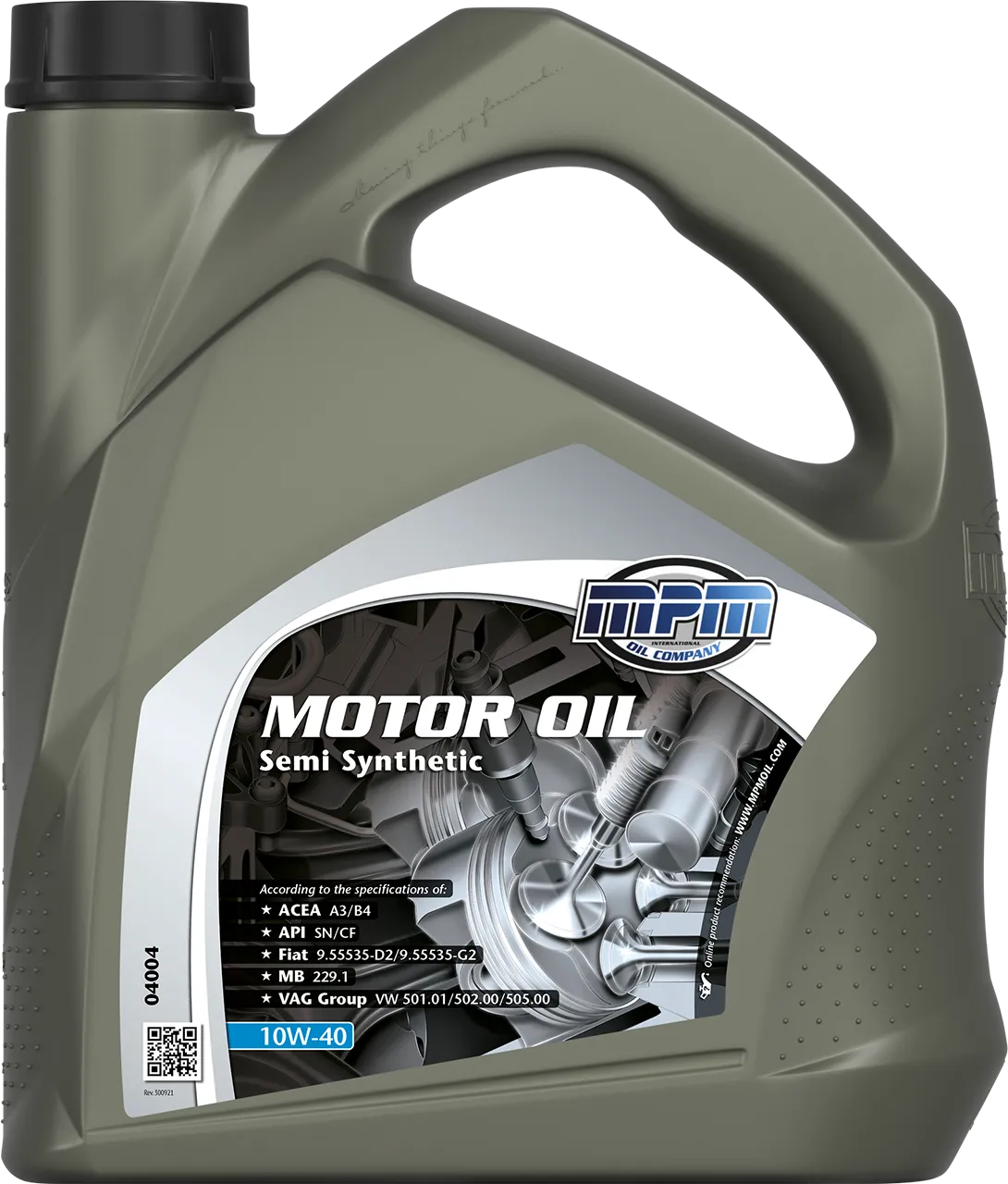
| MPM Part Synthetic 10W‑40 | |
|---|---|
| ACEA A3/B4 | ✔ |
| API SN/CF | ✔ |
| MB‑Approval 229.3 | ❓ |
| Renault RN0700 / RN0710 | ✔ |
| VW 501 01 / 505 00 | ✔ |
| Fiat 9.55535‑D2 | ✔ |
Oil specification key
✔ – Meets the required specification
❓ – Not explicitly stated (use caution; check your vehicle manual)
❌ – Does not meet required specification. Use may cause engine issues.
✔ – Meets the required specification
❓ – Not explicitly stated (use caution; check your vehicle manual)
❌ – Does not meet required specification. Use may cause engine issues.
As an Amazon Associate, we may earn from qualifying purchases.
Answer generated by AI.
Oil specifications for B230K engine
SAE 10W-40
API SJ
ACEA A2/B2
NO INFO-
Most common problems, symptoms & fixes for the B230K engine.
Engine B230K
Symptoms:
- Rough idling and hesitation during acceleration
- Hard starting, especially in cold weather
- Decreased fuel efficiency and power loss
- Engine misfires or backfires
- Excessive oil consumption or smoke from the exhaust
Diagnosis:
- Check ignition components: distributor cap, rotor, spark plugs, and wires for wear or corrosion
- Inspect the fuel system, including fuel filter and injectors, for clogs or leaks
- Test the idle air control valve and throttle body for proper operation and cleanliness
- Examine vacuum lines for cracks or disconnections causing air leaks
- Perform a compression test to assess cylinder health and head gasket integrity
- Check timing belt condition and alignment to ensure correct valve timing
Fixes:
- Replace worn or faulty ignition parts such as spark plugs, wires, distributor cap, and rotor
- Clean or replace fuel injectors and fuel filter to restore proper fuel delivery
- Clean throttle body and idle air control valve to stabilize idle speed
- Repair or replace damaged vacuum hoses to eliminate air leaks
- Replace timing belt if worn or misaligned to prevent engine damage
- Address oil leaks by replacing gaskets and seals as needed
- Perform valve adjustments if compression test indicates valve issues
Prevention:
- Follow regular maintenance schedule including timely replacement of spark plugs, ignition components, and fuel filters
- Use quality fuel and oil to reduce deposits and wear
- Inspect and replace timing belt every 60,000 to 100,000 km to avoid catastrophic failure
- Keep the cooling system in good condition to prevent overheating and gasket failure
- Regularly check for vacuum leaks and repair promptly to maintain engine performance
- Maintain clean air intake and throttle body to ensure smooth engine operation
Symptoms:
- Rough idling and hesitation during acceleration
- Hard starting, especially in cold weather
- Decreased fuel efficiency and power loss
- Engine misfires or backfires
- Excessive oil consumption or smoke from the exhaust
Diagnosis:
- Check ignition components: distributor cap, rotor, spark plugs, and wires for wear or corrosion
- Inspect the fuel system, including fuel filter and injectors, for clogs or leaks
- Test the idle air control valve and throttle body for proper operation and cleanliness
- Examine vacuum lines for cracks or disconnections causing air leaks
- Perform a compression test to assess cylinder health and head gasket integrity
- Check timing belt condition and alignment to ensure correct valve timing
Fixes:
- Replace worn or faulty ignition parts such as spark plugs, wires, distributor cap, and rotor
- Clean or replace fuel injectors and fuel filter to restore proper fuel delivery
- Clean throttle body and idle air control valve to stabilize idle speed
- Repair or replace damaged vacuum hoses to eliminate air leaks
- Replace timing belt if worn or misaligned to prevent engine damage
- Address oil leaks by replacing gaskets and seals as needed
- Perform valve adjustments if compression test indicates valve issues
Prevention:
- Follow regular maintenance schedule including timely replacement of spark plugs, ignition components, and fuel filters
- Use quality fuel and oil to reduce deposits and wear
- Inspect and replace timing belt every 60,000 to 100,000 km to avoid catastrophic failure
- Keep the cooling system in good condition to prevent overheating and gasket failure
- Regularly check for vacuum leaks and repair promptly to maintain engine performance
- Maintain clean air intake and throttle body to ensure smooth engine operation