Engine code
Vehicles using 1KR-DE2 engine list:
Which cars use the 1KR-DE2 engine and what oil to use. Common 1KR-DE2 engine faults, symptoms, diagnosis, prevention and repair.
Ask AI about any Engine code
Questions strictly about engine codes (brand/model/engine type/production years).
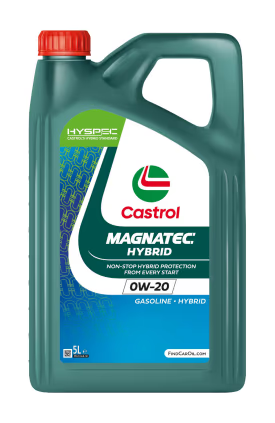
| Castrol MAGNATEC Hybrid 0W‑20 | |
|---|---|
| SAE 0W‑20 | ✔ |
| API SP | ✔ |
| ILSAC GF‑6 | ✔ |
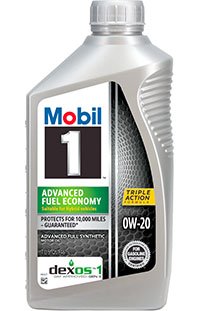
| Mobil 1™ Advanced Fuel Economy 0W‑20 | |
|---|---|
| SAE 0W‑20 | ✔ |
| API SP | ✔ |
| ILSAC GF‑6 | ✔ |

| Liqui Moly Special Tec AA 0W‑20 | |
|---|---|
| SAE 0W‑20 | ✔ |
| API SP | ✔ |
| ILSAC GF‑6 | ✔ |
Oil specification key
✔ – Meets the required specification
❓ – Not explicitly stated (use caution; check your vehicle manual)
❌ – Does not meet required specification. Use may cause engine issues.
✔ – Meets the required specification
❓ – Not explicitly stated (use caution; check your vehicle manual)
❌ – Does not meet required specification. Use may cause engine issues.
As an Amazon Associate, we may earn from qualifying purchases.
Answer generated by AI.
Oil specifications for 1KR-DE2 engine
SAE 0W-20
API SN
ILSAC GF-5
Most common problems, symptoms & fixes for the 1KR-DE2 engine.
Engine 1KR-DE2
Symptoms:
- Rough idling or engine misfire
- Reduced fuel efficiency
- Engine warning light illumination
- Unusual engine noises or vibrations
- Difficulty starting the engine or stalling
Diagnosis:
- Check for error codes using an OBD-II scanner to identify specific sensor or system faults.
- Inspect spark plugs and ignition coils for wear or damage causing misfires.
- Examine the air intake system and throttle body for dirt or blockage affecting airflow.
- Test the fuel injectors for proper spray pattern and operation.
- Inspect the timing chain tensioner and guides for wear, as timing issues can cause rough running.
- Check for vacuum leaks in hoses and gaskets that can lead to erratic idling.
- Assess the condition of the engine oil and perform an oil pressure test to rule out lubrication problems.
Fixes:
- Replace worn or fouled spark plugs and faulty ignition coils to restore proper combustion.
- Clean or replace the air filter and throttle body to ensure adequate airflow.
- Service or replace malfunctioning fuel injectors to improve fuel delivery.
- Replace timing chain components if wear or slack is detected to maintain correct timing.
- Repair or replace vacuum hoses and gaskets to eliminate leaks.
- Perform regular oil changes with manufacturer-recommended oil to maintain engine health.
- Reset the engine control unit (ECU) after repairs to clear error codes and recalibrate sensors.
Prevention:
- Follow the manufacturer’s recommended maintenance schedule, including timely oil and filter changes.
- Use quality fuel and engine oil to reduce deposits and wear.
- Regularly inspect and replace air filters to prevent dirt ingress.
- Avoid prolonged idling and aggressive driving to reduce engine stress.
- Periodically check for vacuum leaks and address them promptly.
- Keep the cooling system in good condition to prevent overheating, which can damage engine components.
- Schedule professional inspections if any warning lights or unusual symptoms appear to catch issues early.
Symptoms:
- Rough idling or engine misfire
- Reduced fuel efficiency
- Engine warning light illumination
- Unusual engine noises or vibrations
- Difficulty starting the engine or stalling
Diagnosis:
- Check for error codes using an OBD-II scanner to identify specific sensor or system faults.
- Inspect spark plugs and ignition coils for wear or damage causing misfires.
- Examine the air intake system and throttle body for dirt or blockage affecting airflow.
- Test the fuel injectors for proper spray pattern and operation.
- Inspect the timing chain tensioner and guides for wear, as timing issues can cause rough running.
- Check for vacuum leaks in hoses and gaskets that can lead to erratic idling.
- Assess the condition of the engine oil and perform an oil pressure test to rule out lubrication problems.
Fixes:
- Replace worn or fouled spark plugs and faulty ignition coils to restore proper combustion.
- Clean or replace the air filter and throttle body to ensure adequate airflow.
- Service or replace malfunctioning fuel injectors to improve fuel delivery.
- Replace timing chain components if wear or slack is detected to maintain correct timing.
- Repair or replace vacuum hoses and gaskets to eliminate leaks.
- Perform regular oil changes with manufacturer-recommended oil to maintain engine health.
- Reset the engine control unit (ECU) after repairs to clear error codes and recalibrate sensors.
Prevention:
- Follow the manufacturer’s recommended maintenance schedule, including timely oil and filter changes.
- Use quality fuel and engine oil to reduce deposits and wear.
- Regularly inspect and replace air filters to prevent dirt ingress.
- Avoid prolonged idling and aggressive driving to reduce engine stress.
- Periodically check for vacuum leaks and address them promptly.
- Keep the cooling system in good condition to prevent overheating, which can damage engine components.
- Schedule professional inspections if any warning lights or unusual symptoms appear to catch issues early.