Engine code
Vehicles using TU1M+ engine list:
Which cars use the TU1M+ engine and what oil to use. Common TU1M+ engine faults, symptoms, diagnosis, prevention and repair.
Ask AI about any Engine code
Questions strictly about engine codes (brand/model/engine type/production years).
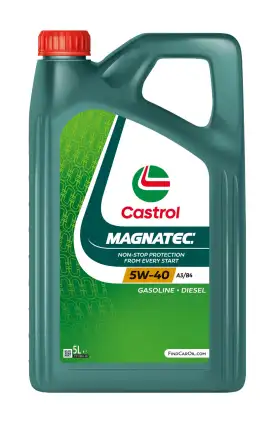
| Castrol MAGNATEC 5W‑40 A3/B4 | |
|---|---|
| ACEA A3/B4 | ✔ |
| API SP | ✔ |
| MB‑Approval 226.5 / 229.5 | ✔ |
| Renault RN 0700 / RN 0710 | ✔ |
| VW 502 00 / 505 00 | ✔ |
| Mobil Super 3000 X1 5W‑40 | |
|---|---|
| ACEA A3/B4 | ✔ |
| API SP | ✔ |
| MB‑Approval 226.5 / 229.5 | ✔ |
| Renault RN 0700 / RN 0710 | ✔ |
| VW 502 00 / 505 00 | ✔ |
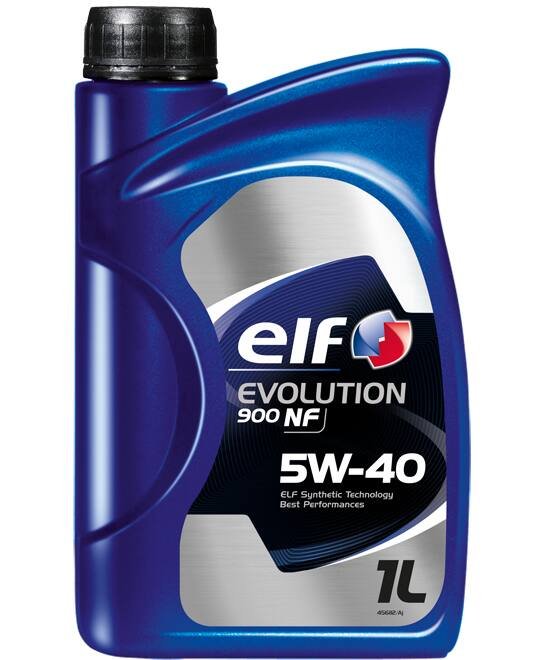
| Elf Evolution 900 NF 5W‑40 | |
|---|---|
| ACEA A3/B4 | ✔ |
| API SP | ❓ |
| MB‑Approval 226.5 / 229.5 | ✔ |
| Renault RN 0700 / RN 0710 | ✔ |
| VW 502 00 / 505 00 | ✔ |
Oil specification key
✔ – Meets the required specification
❓ – Not explicitly stated (use caution; check your vehicle manual)
❌ – Does not meet required specification. Use may cause engine issues.
✔ – Meets the required specification
❓ – Not explicitly stated (use caution; check your vehicle manual)
❌ – Does not meet required specification. Use may cause engine issues.
As an Amazon Associate, we may earn from qualifying purchases.
Answer generated by AI.
Oil specifications for TU1M+ engine
Most common problems, symptoms & fixes for the TU1M+ engine.
Each vehicle is built with a specific engine (or drive unit) identified by an engine code.
For TU1M+ that code defines the required specifications/approvals for oils and service fluids.
On this page you’ll find recommended products that meet those requirements for TU1M+ , plus capacities and service notes.
Always check the owner’s manual, consider model year, climate, and driving profile, and follow the OEM service interval.
For TU1M+ that code defines the required specifications/approvals for oils and service fluids.
On this page you’ll find recommended products that meet those requirements for TU1M+ , plus capacities and service notes.
Always check the owner’s manual, consider model year, climate, and driving profile, and follow the OEM service interval.