Engine code
Vehicles using RH engine list:
Which cars use the RH engine and what oil to use. Common RH engine faults, symptoms, diagnosis, prevention and repair.
Ask AI about any Engine code
Questions strictly about engine codes (brand/model/engine type/production years).
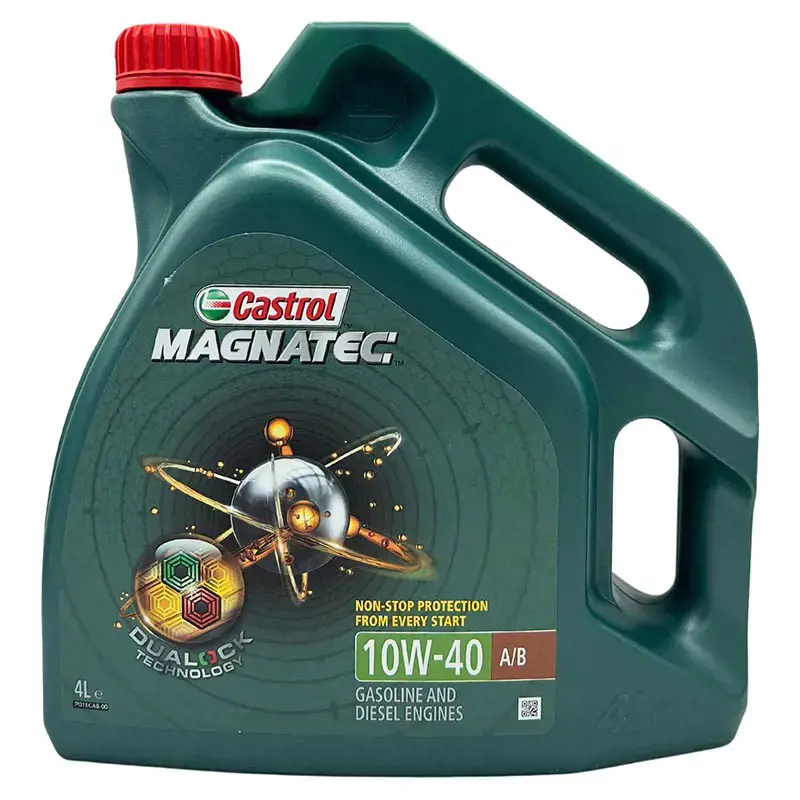
| Castrol MAGNATEC 10W‑40 A/B | |
|---|---|
| SAE 10W‑40 | ✔ |
| ACEA A3/B4 | ✔ |
| API SP | ✔ |
| MB‑Approval 226.5/229.3 | ✔ |
| Renault RN0700 / RN0710 | ✔ |
| VW 501 01 / 505 00 | ✔ |
| Fiat 9.55535‑D2 | ✔ |
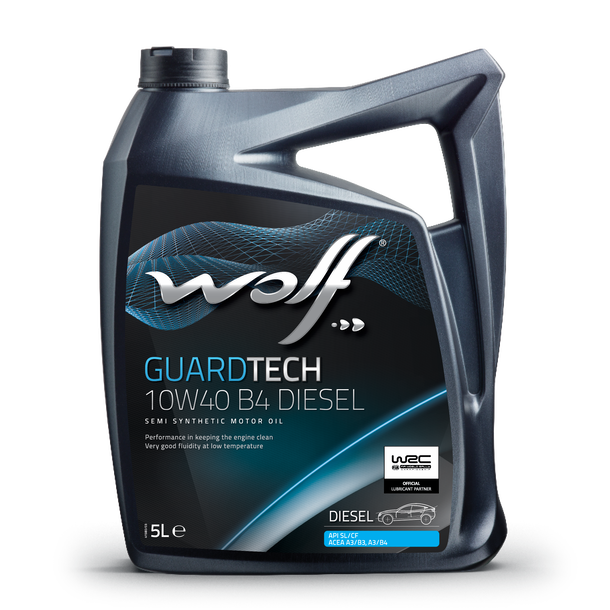
| Wolf GuardTech 10W‑40 B4 | |
|---|---|
| ACEA A3/B4 | ✔ |
| API SN | ✔ |
| MB‑Approval 229.1 | ❓ |
| Renault RN0700 / RN0710 | ✔ |
| VW 501 01 / 505 00 | ✔ |
| Fiat 9.55535‑D2 | ✔ |
| Champion Active Defence 10W‑40 B4 | |
|---|---|
| ACEA A3/B4 | ✔ |
| API SN | ✔ |
| MB‑Approval 229.1 | ❓ |
| Renault RN0700 / RN0710 | ✔ |
| VW 501 01 / 505 00 | ✔ |
| Fiat 9.55535‑D2 | ✔ |
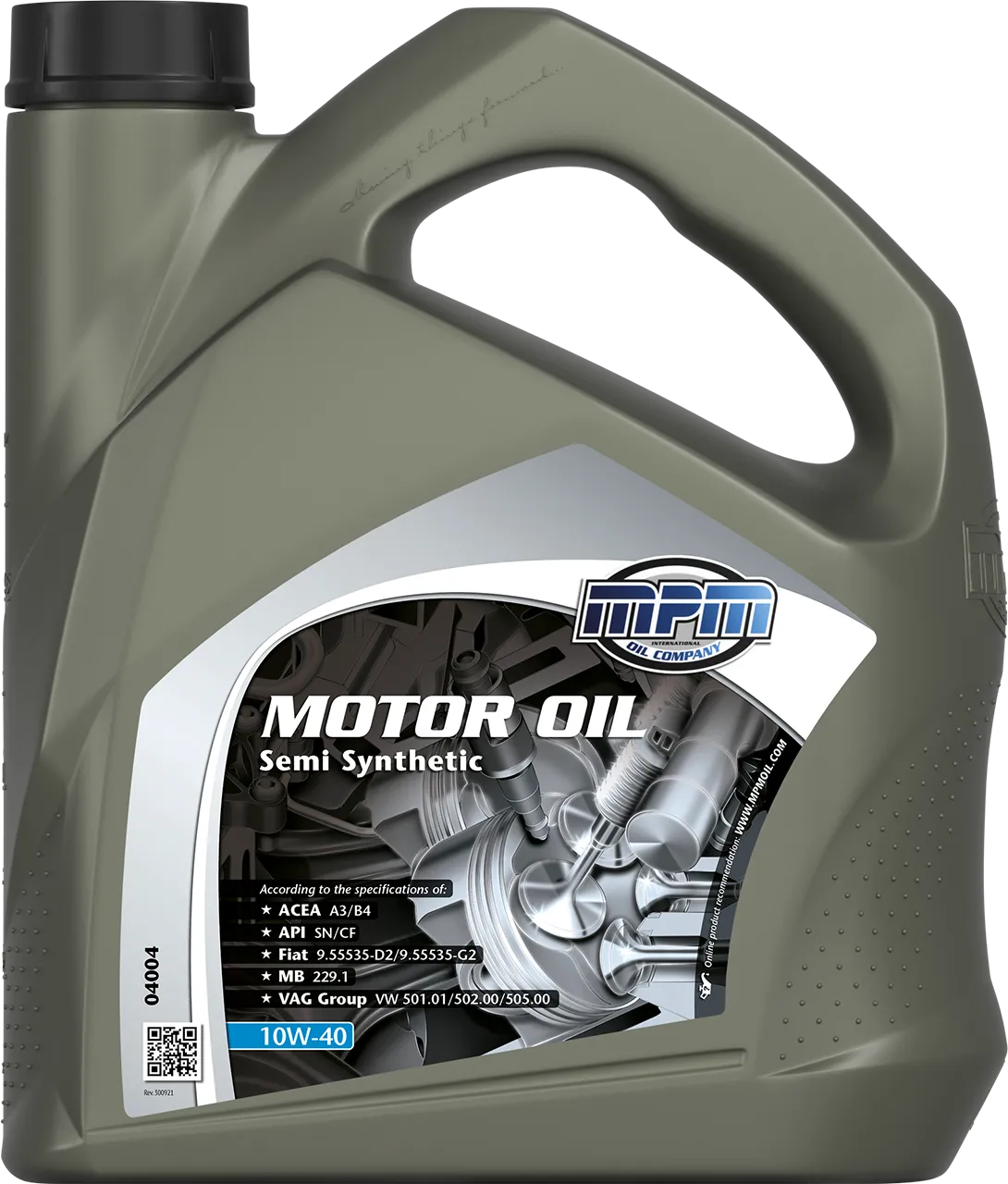
| MPM Part Synthetic 10W‑40 | |
|---|---|
| ACEA A3/B4 | ✔ |
| API SN/CF | ✔ |
| MB‑Approval 229.3 | ❓ |
| Renault RN0700 / RN0710 | ✔ |
| VW 501 01 / 505 00 | ✔ |
| Fiat 9.55535‑D2 | ✔ |
Oil specification key
✔ – Meets the required specification
❓ – Not explicitly stated (use caution; check your vehicle manual)
❌ – Does not meet required specification. Use may cause engine issues.
✔ – Meets the required specification
❓ – Not explicitly stated (use caution; check your vehicle manual)
❌ – Does not meet required specification. Use may cause engine issues.
As an Amazon Associate, we may earn from qualifying purchases.
Answer generated by AI.
Oil specifications for RH engine
SAE 10W-40
API SJ
VW 501.01
VW 505.00
Most common problems, symptoms & fixes for the RH engine.
Engine RH
Symptoms:
- Rough idling and hesitation during acceleration
- Decreased fuel efficiency
- Engine misfires or stalling
- Check engine light illumination
- Unusual exhaust emissions or smell
Diagnosis:
- Inspect ignition components such as spark plugs, wires, and distributor cap for wear or damage
- Check the fuel injection system for clogged injectors or fuel filter blockage
- Test the oxygen sensor and catalytic converter functionality
- Perform a compression test to rule out internal engine wear
- Scan for fault codes using an OBD-I compatible scanner
Fixes:
- Replace worn or fouled spark plugs and ignition wires; service or replace the distributor cap and rotor if necessary
- Clean or replace fuel injectors and change the fuel filter regularly
- Replace faulty oxygen sensors to ensure proper air-fuel mixture
- Repair or replace the catalytic converter if it is clogged or damaged
- Address any detected internal engine issues based on compression test results
- Regularly service the engine management system components to maintain optimal performance
Prevention:
- Follow the manufacturer’s recommended maintenance schedule for ignition and fuel system components
- Use high-quality fuel and replace the fuel filter at recommended intervals
- Regularly inspect and replace air filters to prevent contamination
- Avoid prolonged idling and aggressive driving to reduce engine stress
- Keep the engine tuned and perform periodic diagnostic checks to catch issues early
By adhering to these diagnostic steps and maintenance practices, owners of the VW Golf II 1.8 Catalyst (1986–1991) can minimize common engine RH issues and maintain reliable engine performance.
Symptoms:
- Rough idling and hesitation during acceleration
- Decreased fuel efficiency
- Engine misfires or stalling
- Check engine light illumination
- Unusual exhaust emissions or smell
Diagnosis:
- Inspect ignition components such as spark plugs, wires, and distributor cap for wear or damage
- Check the fuel injection system for clogged injectors or fuel filter blockage
- Test the oxygen sensor and catalytic converter functionality
- Perform a compression test to rule out internal engine wear
- Scan for fault codes using an OBD-I compatible scanner
Fixes:
- Replace worn or fouled spark plugs and ignition wires; service or replace the distributor cap and rotor if necessary
- Clean or replace fuel injectors and change the fuel filter regularly
- Replace faulty oxygen sensors to ensure proper air-fuel mixture
- Repair or replace the catalytic converter if it is clogged or damaged
- Address any detected internal engine issues based on compression test results
- Regularly service the engine management system components to maintain optimal performance
Prevention:
- Follow the manufacturer’s recommended maintenance schedule for ignition and fuel system components
- Use high-quality fuel and replace the fuel filter at recommended intervals
- Regularly inspect and replace air filters to prevent contamination
- Avoid prolonged idling and aggressive driving to reduce engine stress
- Keep the engine tuned and perform periodic diagnostic checks to catch issues early
By adhering to these diagnostic steps and maintenance practices, owners of the VW Golf II 1.8 Catalyst (1986–1991) can minimize common engine RH issues and maintain reliable engine performance.