Engine code
Vehicles using G16E-GTS engine list:
Which cars use the G16E-GTS engine and what oil to use. Common G16E-GTS engine faults, symptoms, diagnosis, prevention and repair.
Recommended oil for engine G16E-GTS engine.
Ask AI about any Engine code
Questions strictly about engine codes (brand/model/engine type/production years).

| Castrol EDGE 0W-20 LL IV | |
|---|---|
| ACEA C5/C6 | ✔️ |
| VW 508 00/509 00 | ✔️ |
| Porsche C20 | ✔️ |
| BMW LL-17 FE+ | ✔️ |
| MB 229.71/229.72 | ✔️ |
| Ford WSS-M2C956-A1 | ✔️ |
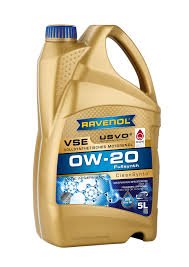
| RAVENOL VSE 0W-20 | |
|---|---|
| ACEA C5 / C6 | ✔️ |
| VW 508 00/509 00 | ✔️ |
| Porsche C20 | ✔️ |
| BMW LL-17 FE+ | ❌ |
| MB 229.71 / 229.72 | ❌ |
| Ford WSS-M2C956-A1 | ✔️ |
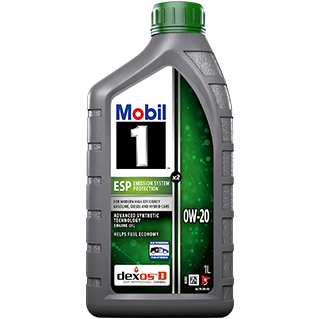
| Mobil 1 ESP x2 0W-20 | |
|---|---|
| ACEA C5/C6 | ✔️ |
| VW 508 00/509 00 | ✔️ |
| Porsche C20 | ✔️ |
| MB 229.71 | ✔️ |
| Ford WSS-M2C956-A1 | ✔️ |
| GM dexosD | ✔️ |
| BMW LL-17 FE+ | ❌ |

| Liqui Moly Top Tec 6200 0W-20 | |
|---|---|
| ACEA C5 | ❓ |
| VW 508 00/509 00 | ✔️ |
| Porsche C20 | ✔️ |
| Ford WSS-M2C956-A1 | ✔️ |
| BMW LL-17 FE+ | ❌ |
| MB 229.71 / 229.72 | ❌ |
Oil specification key
✔️ – Meets the required specification
❓ – Not explicitly stated (use caution; check your vehicle manual)
❌ – Does not meet required specification. Use may cause engine issues.
✔️ – Meets the required specification
❓ – Not explicitly stated (use caution; check your vehicle manual)
❌ – Does not meet required specification. Use may cause engine issues.
As an Amazon Associate, we may earn from qualifying purchases.
Answer generated by AI.
Oil specifications for G16E-GTS engine
SAE 0W-20
API SN Plus
ILSAC GF-6A
Most common problems, symptoms & fixes for the G16E-GTS engine.
Engine G16E-GTS
Symptoms:
- Rough idling or engine hesitation during acceleration
- Unusual knocking or pinging noises under load
- Reduced fuel efficiency or power output
- Check Engine Light (CEL) illumination
- Occasional misfires or stalling at low RPMs
Diagnosis:
- Inspect spark plugs for wear or fouling; the high-performance nature of the G16E-GTS can cause accelerated plug degradation.
- Perform a compression test to check for cylinder sealing issues.
- Use a diagnostic scanner to read fault codes related to ignition timing, knock sensors, or fuel delivery.
- Check for carbon buildup on intake valves and throttle body, which can affect airflow and combustion.
- Examine the turbocharger system for leaks or boost pressure inconsistencies.
- Inspect the cooling system to ensure proper engine temperature regulation, as overheating can cause knocking.
Fixes:
- Replace spark plugs at recommended intervals with OEM or high-quality equivalents to maintain optimal ignition.
- Clean intake valves and throttle body using appropriate cleaning agents to remove carbon deposits.
- Repair or replace faulty knock sensors or ignition coils as indicated by diagnostics.
- Address any turbocharger leaks by replacing gaskets or hoses; ensure boost pressure is within specifications.
- Flush and refill the cooling system regularly to prevent overheating and maintain engine health.
- Update engine control unit (ECU) software if manufacturer releases improvements for performance or reliability.
Prevention:
- Use high-octane fuel as recommended to reduce knocking and optimize combustion.
- Adhere strictly to scheduled maintenance intervals, especially for spark plugs and air filters.
- Avoid aggressive driving when the engine is cold to prevent undue stress.
- Regularly inspect and maintain the turbocharger and cooling systems.
- Keep the engine oil fresh and at proper levels to ensure adequate lubrication and cooling.
- Consider periodic professional inspections to catch early signs of wear or malfunction.
By following these diagnostic steps and maintenance practices, owners of the Toyota GR Yaris equipped with the G16E-GTS engine can minimize common issues and ensure reliable performance.
Symptoms:
- Rough idling or engine hesitation during acceleration
- Unusual knocking or pinging noises under load
- Reduced fuel efficiency or power output
- Check Engine Light (CEL) illumination
- Occasional misfires or stalling at low RPMs
Diagnosis:
- Inspect spark plugs for wear or fouling; the high-performance nature of the G16E-GTS can cause accelerated plug degradation.
- Perform a compression test to check for cylinder sealing issues.
- Use a diagnostic scanner to read fault codes related to ignition timing, knock sensors, or fuel delivery.
- Check for carbon buildup on intake valves and throttle body, which can affect airflow and combustion.
- Examine the turbocharger system for leaks or boost pressure inconsistencies.
- Inspect the cooling system to ensure proper engine temperature regulation, as overheating can cause knocking.
Fixes:
- Replace spark plugs at recommended intervals with OEM or high-quality equivalents to maintain optimal ignition.
- Clean intake valves and throttle body using appropriate cleaning agents to remove carbon deposits.
- Repair or replace faulty knock sensors or ignition coils as indicated by diagnostics.
- Address any turbocharger leaks by replacing gaskets or hoses; ensure boost pressure is within specifications.
- Flush and refill the cooling system regularly to prevent overheating and maintain engine health.
- Update engine control unit (ECU) software if manufacturer releases improvements for performance or reliability.
Prevention:
- Use high-octane fuel as recommended to reduce knocking and optimize combustion.
- Adhere strictly to scheduled maintenance intervals, especially for spark plugs and air filters.
- Avoid aggressive driving when the engine is cold to prevent undue stress.
- Regularly inspect and maintain the turbocharger and cooling systems.
- Keep the engine oil fresh and at proper levels to ensure adequate lubrication and cooling.
- Consider periodic professional inspections to catch early signs of wear or malfunction.
By following these diagnostic steps and maintenance practices, owners of the Toyota GR Yaris equipped with the G16E-GTS engine can minimize common issues and ensure reliable performance.