Engine code
Vehicles using DSGA engine list:
Which cars use the DSGA engine and what oil to use. Common DSGA engine faults, symptoms, diagnosis, prevention and repair.
Ask AI about any Engine code
Questions strictly about engine codes (brand/model/engine type/production years).

| Castrol EDGE 0W-20 LL IV | |
|---|---|
| ACEA C5/C6 | ✔️ |
| VW 508 00/509 00 | ✔️ |
| Porsche C20 | ✔️ |
| BMW LL-17 FE+ | ✔️ |
| MB 229.71/229.72 | ✔️ |
| Ford WSS-M2C956-A1 | ✔️ |
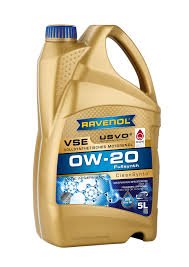
| RAVENOL VSE 0W-20 | |
|---|---|
| ACEA C5 / C6 | ✔️ |
| VW 508 00/509 00 | ✔️ |
| Porsche C20 | ✔️ |
| BMW LL-17 FE+ | ❌ |
| MB 229.71 / 229.72 | ❌ |
| Ford WSS-M2C956-A1 | ✔️ |
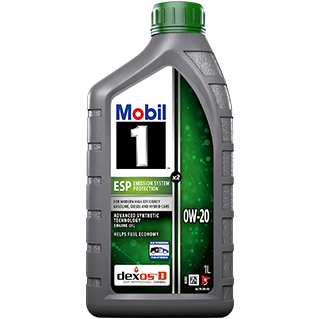
| Mobil 1 ESP x2 0W-20 | |
|---|---|
| ACEA C5/C6 | ✔️ |
| VW 508 00/509 00 | ✔️ |
| Porsche C20 | ✔️ |
| MB 229.71 | ✔️ |
| Ford WSS-M2C956-A1 | ✔️ |
| GM dexosD | ✔️ |
| BMW LL-17 FE+ | ❌ |

| Liqui Moly Top Tec 6200 0W-20 | |
|---|---|
| ACEA C5 | ❓ |
| VW 508 00/509 00 | ✔️ |
| Porsche C20 | ✔️ |
| Ford WSS-M2C956-A1 | ✔️ |
| BMW LL-17 FE+ | ❌ |
| MB 229.71 / 229.72 | ❌ |
Oil specification key
✔️ – Meets the required specification
❓ – Not explicitly stated (use caution; check your vehicle manual)
❌ – Does not meet required specification. Use may cause engine issues.
✔️ – Meets the required specification
❓ – Not explicitly stated (use caution; check your vehicle manual)
❌ – Does not meet required specification. Use may cause engine issues.
As an Amazon Associate, we may earn from qualifying purchases.
Answer generated by AI.
Oil specifications for DSGA engine
VW 504.00
VW 507.00
SAE 0W-20
ACEA C3
Most common problems, symptoms & fixes for the DSGA engine.
Engine DSGA
Symptoms:
- Rough idling or engine misfires
- Reduced engine power and poor acceleration
- Increased fuel consumption
- Engine warning light (check engine) illuminated
- Occasional stalling at low speeds or idle
Diagnosis:
- Perform an OBD-II scan to check for fault codes related to ignition, fuel delivery, or sensors
- Inspect spark plugs and ignition coils for wear or damage, as these are common failure points in the 1.0 MPI engine
- Check the fuel injectors for clogging or malfunction, which can cause misfires and poor performance
- Examine the air intake system and throttle body for dirt or blockage affecting air flow
- Test the engine sensors such as the oxygen sensor and coolant temperature sensor for proper operation
Fixes:
- Replace worn or fouled spark plugs and faulty ignition coils to restore proper combustion
- Clean or replace clogged fuel injectors to ensure correct fuel delivery
- Clean the throttle body and air intake system to improve air flow and engine response
- Replace faulty sensors identified during diagnosis to prevent incorrect engine management
- Perform a software update or ECU reset if recommended by the manufacturer to resolve engine management glitches
Prevention:
- Follow the manufacturer’s recommended maintenance schedule, including timely spark plug replacement
- Use high-quality fuel and engine oil to reduce deposits and wear
- Regularly inspect and clean the air filter to maintain optimal air flow
- Avoid prolonged idling and aggressive driving to reduce engine stress
- Schedule periodic diagnostic checks to catch early signs of engine issues before they worsen
By adhering to these diagnostic steps and maintenance practices, owners of vehicles equipped with the DSGA engine can minimize common issues and maintain reliable engine performance.
Symptoms:
- Rough idling or engine misfires
- Reduced engine power and poor acceleration
- Increased fuel consumption
- Engine warning light (check engine) illuminated
- Occasional stalling at low speeds or idle
Diagnosis:
- Perform an OBD-II scan to check for fault codes related to ignition, fuel delivery, or sensors
- Inspect spark plugs and ignition coils for wear or damage, as these are common failure points in the 1.0 MPI engine
- Check the fuel injectors for clogging or malfunction, which can cause misfires and poor performance
- Examine the air intake system and throttle body for dirt or blockage affecting air flow
- Test the engine sensors such as the oxygen sensor and coolant temperature sensor for proper operation
Fixes:
- Replace worn or fouled spark plugs and faulty ignition coils to restore proper combustion
- Clean or replace clogged fuel injectors to ensure correct fuel delivery
- Clean the throttle body and air intake system to improve air flow and engine response
- Replace faulty sensors identified during diagnosis to prevent incorrect engine management
- Perform a software update or ECU reset if recommended by the manufacturer to resolve engine management glitches
Prevention:
- Follow the manufacturer’s recommended maintenance schedule, including timely spark plug replacement
- Use high-quality fuel and engine oil to reduce deposits and wear
- Regularly inspect and clean the air filter to maintain optimal air flow
- Avoid prolonged idling and aggressive driving to reduce engine stress
- Schedule periodic diagnostic checks to catch early signs of engine issues before they worsen
By adhering to these diagnostic steps and maintenance practices, owners of vehicles equipped with the DSGA engine can minimize common issues and maintain reliable engine performance.