Engine code
Vehicles using DSFF engine list:
Which cars use the DSFF engine and what oil to use. Common DSFF engine faults, symptoms, diagnosis, prevention and repair.
Ask AI about any Engine code
Questions strictly about engine codes (brand/model/engine type/production years).
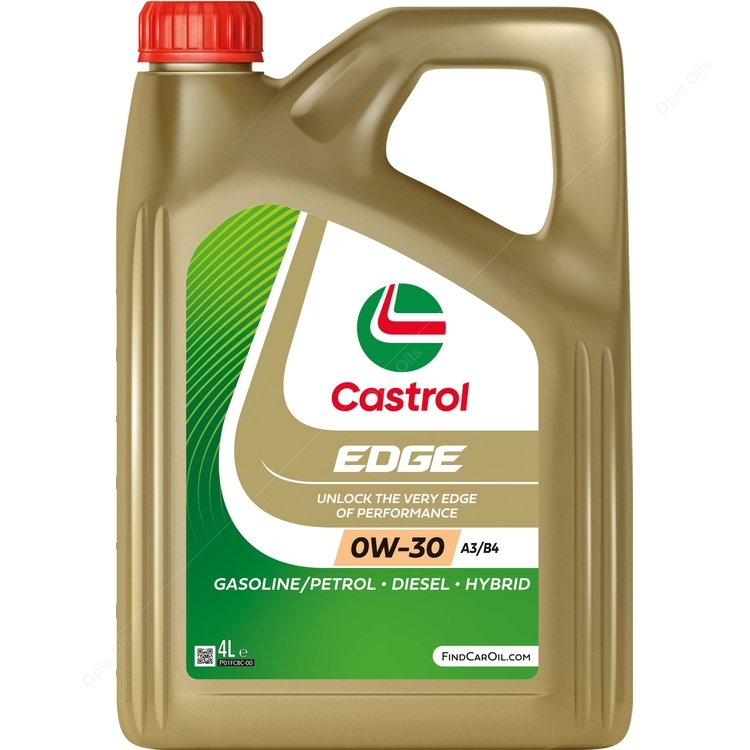
| Castrol EDGE 0W-30 A3/B4 | |
|---|---|
| ACEA A3/B3, A3/B4 | ✔ |
| API SL/CF | ✔ |
| BMW Longlife-01 | ✔ |
| MB 229.3 / 229.5 | ✔ |
| VW 502 00 / 505 00 | ✔ |
| Renault RN 0700 / 0710 | ✔ |

| Motul 8100 X-Cess 5W-30 | |
|---|---|
| ACEA A3/B4 | ✔ |
| API SL/CF | ✔ |
| BMW Longlife-01 | ✔ |
| MB 229.3 / 229.5 | ✔ |
| VW 502 00 / 505 00 | ✔ |
| Renault RN 0700 / 0710 | ✔ |
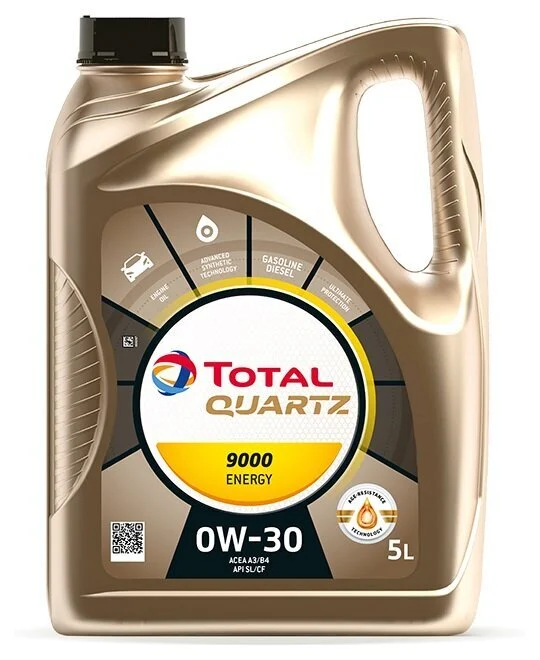
| Total Quartz 9000 Energy 0W-30 | |
|---|---|
| ACEA A3/B4 | ✔ |
| API SL/CF | ✔ |
| BMW Longlife-01 | ✔ |
| MB 229.3 / 229.5 | ✔ |
| VW 502 00 / 505 00 | ✔ |
| Renault RN 0700 / 0710 | ✔ |
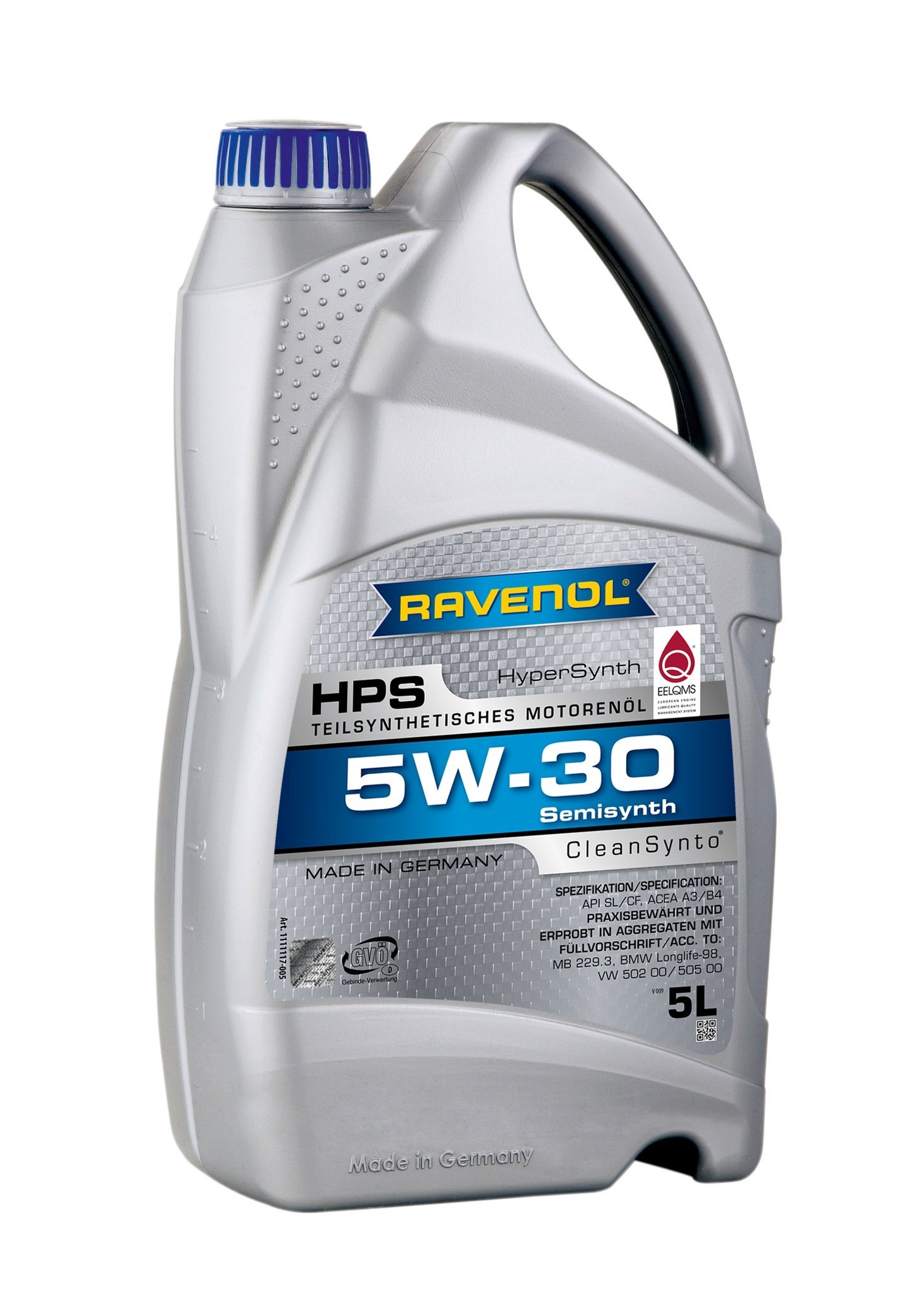
| Ravenol HPS Hypersynth 5W-30 | |
|---|---|
| ACEA A3/B4 | ✔ |
| API SL/CF | ✔ |
| BMW Longlife-01 | ✔ |
| MB 229.3 / 229.5 | ✔ |
| VW 502 00 / 505 00 | ✔ |
| Renault RN 0700 / 0710 | ✔ |
Oil specification key
✔ – Meets the required specification
❓ – Not explicitly stated (use caution; check your vehicle manual)
❌ – Does not meet required specification. Use may cause engine issues.
✔ – Meets the required specification
❓ – Not explicitly stated (use caution; check your vehicle manual)
❌ – Does not meet required specification. Use may cause engine issues.
As an Amazon Associate, we may earn from qualifying purchases.
Answer generated by AI.
Oil specifications for DSFF engine
SAE 0W-20
VW 508.00
VW 509.00
ACEA C3
API SN Plus
Most common problems, symptoms & fixes for the DSFF engine.
Engine DSFF
Symptoms:
- Rough idling and occasional misfires
- Loss of power or hesitation during acceleration
- Increased oil consumption and occasional smoke from the exhaust
- Check Engine Light (CEL) illumination with related fault codes
- Unusual engine noises such as ticking or knocking
Diagnosis:
- Perform a thorough scan for Diagnostic Trouble Codes (DTCs) related to ignition coils, fuel injectors, or turbocharger systems
- Inspect spark plugs and ignition coils for wear or damage
- Check for carbon buildup on intake valves, common in direct injection engines like the DSFF
- Examine turbocharger operation and boost pressure for irregularities
- Conduct a compression test to rule out mechanical wear or valve issues
- Inspect PCV (Positive Crankcase Ventilation) system for clogging or leaks
Fixes:
- Replace faulty ignition coils and spark plugs to resolve misfires and rough running
- Clean intake valves using walnut blasting or chemical cleaning to remove carbon deposits
- Repair or replace malfunctioning turbocharger components if boost pressure is low or inconsistent
- Address oil leaks and replace worn seals or gaskets to reduce oil consumption
- Update engine software if manufacturer releases improvements targeting known issues
- Replace clogged PCV valves or hoses to maintain proper crankcase ventilation
Prevention:
- Use high-quality synthetic engine oil and adhere strictly to recommended oil change intervals to minimize carbon buildup and wear
- Employ top-tier fuel to reduce deposit formation and maintain combustion efficiency
- Regularly service the PCV system and intake components to prevent clogging
- Avoid frequent short trips that prevent the engine from reaching optimal operating temperature
- Follow manufacturer’s maintenance schedule diligently, including software updates and inspections of ignition and turbo systems
By addressing these common issues proactively, owners of vehicles equipped with the DSFF engine can maintain reliable performance and longevity.
Symptoms:
- Rough idling and occasional misfires
- Loss of power or hesitation during acceleration
- Increased oil consumption and occasional smoke from the exhaust
- Check Engine Light (CEL) illumination with related fault codes
- Unusual engine noises such as ticking or knocking
Diagnosis:
- Perform a thorough scan for Diagnostic Trouble Codes (DTCs) related to ignition coils, fuel injectors, or turbocharger systems
- Inspect spark plugs and ignition coils for wear or damage
- Check for carbon buildup on intake valves, common in direct injection engines like the DSFF
- Examine turbocharger operation and boost pressure for irregularities
- Conduct a compression test to rule out mechanical wear or valve issues
- Inspect PCV (Positive Crankcase Ventilation) system for clogging or leaks
Fixes:
- Replace faulty ignition coils and spark plugs to resolve misfires and rough running
- Clean intake valves using walnut blasting or chemical cleaning to remove carbon deposits
- Repair or replace malfunctioning turbocharger components if boost pressure is low or inconsistent
- Address oil leaks and replace worn seals or gaskets to reduce oil consumption
- Update engine software if manufacturer releases improvements targeting known issues
- Replace clogged PCV valves or hoses to maintain proper crankcase ventilation
Prevention:
- Use high-quality synthetic engine oil and adhere strictly to recommended oil change intervals to minimize carbon buildup and wear
- Employ top-tier fuel to reduce deposit formation and maintain combustion efficiency
- Regularly service the PCV system and intake components to prevent clogging
- Avoid frequent short trips that prevent the engine from reaching optimal operating temperature
- Follow manufacturer’s maintenance schedule diligently, including software updates and inspections of ignition and turbo systems
By addressing these common issues proactively, owners of vehicles equipped with the DSFF engine can maintain reliable performance and longevity.