Engine code
Vehicles using CHZL engine list:
Which cars use the CHZL engine and what oil to use. Common CHZL engine faults, symptoms, diagnosis, prevention and repair.
- SEAT - Ibiza 1.0 TSI (70kW) 2017–2020
- SEAT - Arona 1.0 EcoTSI (70kW) 2017–2018
- SEAT - Arona 1.0 EcoTSI (70kW) 2018–2020
- VW - Polo VI 1.0 TSI (70kW) 2017–2020
- VW - T-Cross 1.0 TSI (70kW) 2019–2020
- VW - T-Cross 1.0 TSI (70kW) 2020–2024
- VW - Polo VI 1.0 TSI (70kW) 2020–2025
Recommended oil for engine CHZL engine.
Ask AI about any Engine code
Questions strictly about engine codes (brand/model/engine type/production years).

| Castrol EDGE 0W-20 LL IV | |
|---|---|
| ACEA C5/C6 | ✔️ |
| VW 508 00/509 00 | ✔️ |
| Porsche C20 | ✔️ |
| BMW LL-17 FE+ | ✔️ |
| MB 229.71/229.72 | ✔️ |
| Ford WSS-M2C956-A1 | ✔️ |
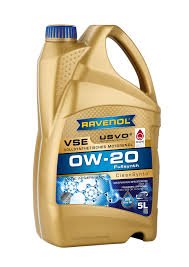
| RAVENOL VSE 0W-20 | |
|---|---|
| ACEA C5 / C6 | ✔️ |
| VW 508 00/509 00 | ✔️ |
| Porsche C20 | ✔️ |
| BMW LL-17 FE+ | ❌ |
| MB 229.71 / 229.72 | ❌ |
| Ford WSS-M2C956-A1 | ✔️ |
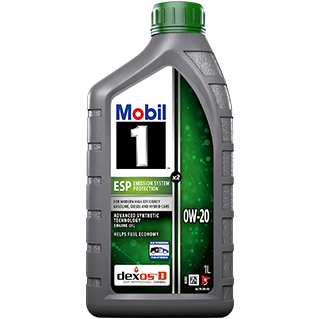
| Mobil 1 ESP x2 0W-20 | |
|---|---|
| ACEA C5/C6 | ✔️ |
| VW 508 00/509 00 | ✔️ |
| Porsche C20 | ✔️ |
| MB 229.71 | ✔️ |
| Ford WSS-M2C956-A1 | ✔️ |
| GM dexosD | ✔️ |
| BMW LL-17 FE+ | ❌ |

| Liqui Moly Top Tec 6200 0W-20 | |
|---|---|
| ACEA C5 | ❓ |
| VW 508 00/509 00 | ✔️ |
| Porsche C20 | ✔️ |
| Ford WSS-M2C956-A1 | ✔️ |
| BMW LL-17 FE+ | ❌ |
| MB 229.71 / 229.72 | ❌ |
Oil specification key
✔️ – Meets the required specification
❓ – Not explicitly stated (use caution; check your vehicle manual)
❌ – Does not meet required specification. Use may cause engine issues.
✔️ – Meets the required specification
❓ – Not explicitly stated (use caution; check your vehicle manual)
❌ – Does not meet required specification. Use may cause engine issues.
As an Amazon Associate, we may earn from qualifying purchases.
Answer generated by AI.
Oil specifications for CHZL engine
SAE 0W-20
VW 508.00
VW 509.00
ACEA C2
Most common problems, symptoms & fixes for the CHZL engine.
Engine CHZL
Symptoms:
- Rough idling and occasional stalling
- Loss of power or hesitation during acceleration
- Increased fuel consumption
- Check Engine Light (CEL) illumination
- Occasional misfires or engine vibrations
Diagnosis:
- Inspect for carbon buildup on intake valves, common in direct injection engines like CHZL
- Check ignition coils and spark plugs for wear or failure
- Scan for fault codes related to misfires, fuel trim, or sensor malfunctions
- Examine the turbocharger system for leaks or boost pressure issues
- Verify the condition of the PCV (Positive Crankcase Ventilation) system to prevent oil contamination
Fixes:
- Perform intake valve cleaning using walnut blasting or chemical cleaners to remove carbon deposits
- Replace faulty ignition coils and spark plugs as per manufacturer intervals or if damaged
- Repair or replace any leaking turbocharger hoses or intercooler components
- Clean or replace the PCV valve to maintain proper crankcase ventilation
- Update engine control software if manufacturer has issued relevant ECU updates to improve performance and emissions
Prevention:
- Use high-quality fuel and adhere to recommended oil change intervals to reduce deposit formation
- Regularly service the ignition system and replace spark plugs on schedule
- Avoid prolonged idling and short trips that do not allow the engine to reach optimal operating temperature
- Follow manufacturer’s maintenance schedule for air filter and PCV system checks
- Consider periodic professional intake cleaning to maintain engine efficiency and prevent carbon buildup
By following these diagnostic steps and maintenance practices, owners of vehicles equipped with the CHZL engine can minimize common issues and ensure reliable performance.
Symptoms:
- Rough idling and occasional stalling
- Loss of power or hesitation during acceleration
- Increased fuel consumption
- Check Engine Light (CEL) illumination
- Occasional misfires or engine vibrations
Diagnosis:
- Inspect for carbon buildup on intake valves, common in direct injection engines like CHZL
- Check ignition coils and spark plugs for wear or failure
- Scan for fault codes related to misfires, fuel trim, or sensor malfunctions
- Examine the turbocharger system for leaks or boost pressure issues
- Verify the condition of the PCV (Positive Crankcase Ventilation) system to prevent oil contamination
Fixes:
- Perform intake valve cleaning using walnut blasting or chemical cleaners to remove carbon deposits
- Replace faulty ignition coils and spark plugs as per manufacturer intervals or if damaged
- Repair or replace any leaking turbocharger hoses or intercooler components
- Clean or replace the PCV valve to maintain proper crankcase ventilation
- Update engine control software if manufacturer has issued relevant ECU updates to improve performance and emissions
Prevention:
- Use high-quality fuel and adhere to recommended oil change intervals to reduce deposit formation
- Regularly service the ignition system and replace spark plugs on schedule
- Avoid prolonged idling and short trips that do not allow the engine to reach optimal operating temperature
- Follow manufacturer’s maintenance schedule for air filter and PCV system checks
- Consider periodic professional intake cleaning to maintain engine efficiency and prevent carbon buildup
By following these diagnostic steps and maintenance practices, owners of vehicles equipped with the CHZL engine can minimize common issues and ensure reliable performance.