Engine code
Vehicles using BLZ engine list:
Which cars use the BLZ engine and what oil to use. Common BLZ engine faults, symptoms, diagnosis, prevention and repair.
Ask AI about any Engine code
Questions strictly about engine codes (brand/model/engine type/production years).
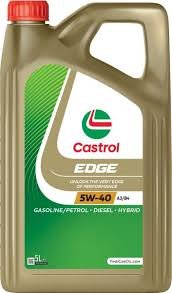
| Castrol EDGE 5W-40 A3/B4 | |
|---|---|
| ACEA A3/B4 | ✔ |
| API SP | ✔ |
| BMW Longlife-01 | ✔ |
| MB 229.3 / 229.5 / 226.5 | ✔ |
| Porsche A40 | ✔ |
| Renault RN0700 / RN0710 | ✔ |
| VW 502 00 / 505 00 | ✔ |
| Chrysler MS-12991 | ✔ |

| Ravenol VST 5W-40 | |
|---|---|
| ACEA A3/B4 | ✔ |
| API SP | ✔ |
| BMW Longlife-01 | ✔ |
| MB 229.5 / 226.5 | ✔ |
| Porsche A40 | ✔ |
| VW 502.00 / 505.00 | ✔ |
| Renault RN0700/0710 | ✔ |
| Chrysler MS-12991 | ✔ |

| Mobil 1 FS 5W-40 | |
|---|---|
| ACEA A3/B3/B4 | ✔ |
| API SN/SM/CF | ✔ |
| BMW Longlife-01 | ✔ |
| MB 229.3 / 229.5 | ✔ |
| Porsche A40 | ✔ |
| VW 502.00 / 505.00 | ✔ |
| Renault RN0700/0710 | ✔ |
| Chrysler MS-12991 | ✔ |

| Liqui Moly High Tech 5W-40 | |
|---|---|
| ACEA A3/B4 | ✔ |
| API SN/CF | ✔ |
| BMW Longlife-01 | ✔ |
| MB 229.5 | ✔ |
| Porsche A40 | ✔ |
| VW 502.00 / 505.00 | ✔ |
| Renault RN0700/0710 | ✔ |
| Chrysler MS-12991 | ✔ |
Oil specification key
✔ – Meets the required specification
❓ – Not explicitly stated (use caution; check your vehicle manual)
❌ – Does not meet required specification. Use may cause engine issues.
✔ – Meets the required specification
❓ – Not explicitly stated (use caution; check your vehicle manual)
❌ – Does not meet required specification. Use may cause engine issues.
As an Amazon Associate, we may earn from qualifying purchases.
Answer generated by AI.
Oil specifications for BLZ engine
SAE 5W-40
ACEA A3/B4
API SN
VW 502.00
VW 505.00
Most common problems, symptoms & fixes for the BLZ engine.
Engine BLZ
Symptoms:
- Rough idling and hesitation during acceleration
- Loss of power and reduced fuel efficiency
- Engine warning light (check engine) illumination
- Occasional misfires or stalling
- Unusual noises from the turbocharger area
Diagnosis:
- Perform an OBD-II scan to retrieve fault codes related to ignition, fuel, or turbo systems.
- Inspect ignition coils and spark plugs for wear or damage, common causes of misfires.
- Check the turbocharger for shaft play, leaks, or boost pressure irregularities.
- Examine vacuum lines and intake hoses for cracks or disconnections causing boost leaks.
- Test the fuel injectors and fuel pressure to ensure proper delivery.
- Inspect the PCV (Positive Crankcase Ventilation) system for blockages or leaks.
Fixes:
- Replace worn or faulty ignition coils and spark plugs to restore smooth combustion.
- Repair or replace damaged vacuum lines and intake hoses to eliminate boost leaks.
- Service or replace the turbocharger if excessive shaft play or damage is found.
- Clean or replace the PCV valve to prevent pressure buildup and oil leaks.
- Address any fuel system issues by cleaning or replacing injectors and ensuring correct fuel pressure.
- Regularly change engine oil and use manufacturer-recommended grades to protect turbo and engine components.
Prevention:
- Follow the manufacturer’s recommended maintenance schedule, especially for spark plugs and ignition components.
- Use high-quality fuel and engine oil to reduce carbon buildup and wear.
- Avoid aggressive driving when the engine is cold to protect the turbocharger.
- Regularly inspect hoses and vacuum lines for signs of wear or damage.
- Keep the PCV system clean to maintain proper crankcase ventilation.
- Ensure timely replacement of air filters to prevent debris from entering the engine.
By adhering to these diagnostic steps, fixes, and preventive measures, owners of the Seat Ibiza 1.8 T 20V Cupra with engine BLZ can maintain reliable performance and longevity.
Symptoms:
- Rough idling and hesitation during acceleration
- Loss of power and reduced fuel efficiency
- Engine warning light (check engine) illumination
- Occasional misfires or stalling
- Unusual noises from the turbocharger area
Diagnosis:
- Perform an OBD-II scan to retrieve fault codes related to ignition, fuel, or turbo systems.
- Inspect ignition coils and spark plugs for wear or damage, common causes of misfires.
- Check the turbocharger for shaft play, leaks, or boost pressure irregularities.
- Examine vacuum lines and intake hoses for cracks or disconnections causing boost leaks.
- Test the fuel injectors and fuel pressure to ensure proper delivery.
- Inspect the PCV (Positive Crankcase Ventilation) system for blockages or leaks.
Fixes:
- Replace worn or faulty ignition coils and spark plugs to restore smooth combustion.
- Repair or replace damaged vacuum lines and intake hoses to eliminate boost leaks.
- Service or replace the turbocharger if excessive shaft play or damage is found.
- Clean or replace the PCV valve to prevent pressure buildup and oil leaks.
- Address any fuel system issues by cleaning or replacing injectors and ensuring correct fuel pressure.
- Regularly change engine oil and use manufacturer-recommended grades to protect turbo and engine components.
Prevention:
- Follow the manufacturer’s recommended maintenance schedule, especially for spark plugs and ignition components.
- Use high-quality fuel and engine oil to reduce carbon buildup and wear.
- Avoid aggressive driving when the engine is cold to protect the turbocharger.
- Regularly inspect hoses and vacuum lines for signs of wear or damage.
- Keep the PCV system clean to maintain proper crankcase ventilation.
- Ensure timely replacement of air filters to prevent debris from entering the engine.
By adhering to these diagnostic steps, fixes, and preventive measures, owners of the Seat Ibiza 1.8 T 20V Cupra with engine BLZ can maintain reliable performance and longevity.