Engine code
Vehicles using B201 Turbo engine list:
Which cars use the B201 Turbo engine and what oil to use. Common B201 Turbo engine faults, symptoms, diagnosis, prevention and repair.
Recommended oil for engine B201 Turbo engine.
Ask AI about any Engine code
Questions strictly about engine codes (brand/model/engine type/production years).
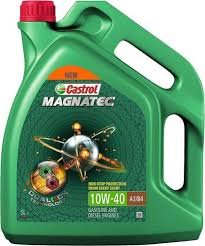
| Castrol MAGNATEC 10W-40 A3/B4 | |
|---|---|
| SAE 10W-40 | ✔ |
| ACEA A3/B3 | ✔ |
| ACEA A3/B4 | ✔ |
| API SN | ✔ |
| Fiat 9.55535-D2 | ✔ |
| MB-Approval 226.5 | ✔ |
| Renault RN0700 | ✔ |
| Renault RN0710 | ✔ |
| VW 501 01 | ✔ |
| VW 505 00 | ✔ |
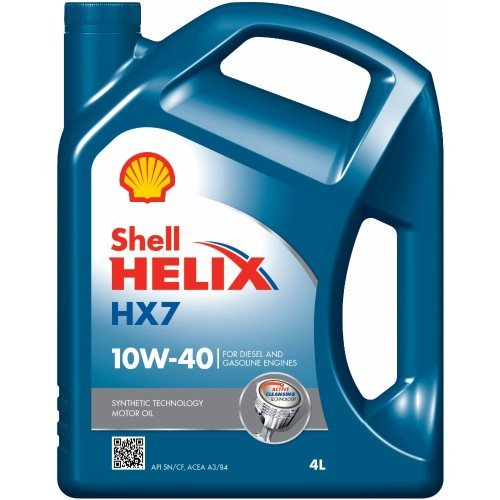
| Shell Helix HX7 10W-40 | |
|---|---|
| SAE 10W-40 | ✔ |
| ACEA A3/B3 | ✔ |
| ACEA A3/B4 | ✔ |
| API SN | ✔ |
| Fiat 9.55535-D2 | ❓ |
| MB-Approval 226.5 | ❓ |
| Renault RN0700 | ✔ |
| Renault RN0710 | ✔ |
| VW 501 01 | ❌ |
| VW 505 00 | ✔ |
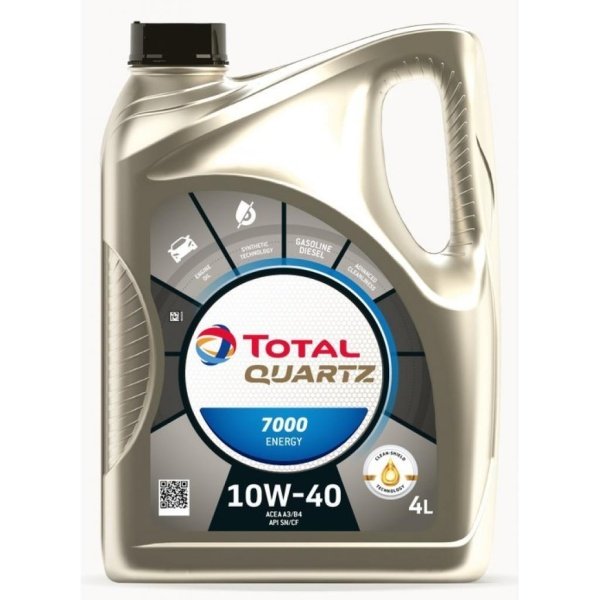
| Total Quartz 7000 10W-40 | |
|---|---|
| SAE 10W-40 | ✔ |
| ACEA A3/B3 | ❓ |
| ACEA A3/B4 | ✔ |
| API SN | ✔ |
| Fiat 9.55535-D2 | ❌ |
| MB-Approval 226.5 | ❓ |
| Renault RN0700 | ❌ |
| Renault RN0710 | ❌ |
| VW 501 01 | ✔ |
| VW 505 00 | ✔ |
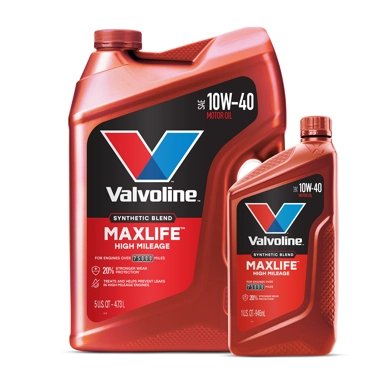
| Valvoline MaxLife 10W-40 | |
|---|---|
| SAE 10W-40 | ✔ |
| ACEA A3/B3 | ❓ |
| ACEA A3/B4 | ✔ |
| API SN | ✔ |
| Fiat 9.55535-D2 | ✔ |
| MB-Approval 226.5 | ❓ |
| Renault RN0700 | ✔ |
| Renault RN0710 | ✔ |
| VW 501 01 | ❌ |
| VW 505 00 | ✔ |
Oil specification key
✔ – Meets the required specification
❓ – Not explicitly stated (use caution; check your vehicle manual)
❌ – Does not meet required specification. Use may cause engine issues.
✔ – Meets the required specification
❓ – Not explicitly stated (use caution; check your vehicle manual)
❌ – Does not meet required specification. Use may cause engine issues.
As an Amazon Associate, we may earn from qualifying purchases.
Answer generated by AI.
Oil specifications for B201 Turbo engine
SAE 10W-40
API SJ
Most common problems, symptoms & fixes for the B201 Turbo engine.
Engine B201 Turbo
Symptoms:
- Loss of power or poor acceleration
- Engine knocking or pinging under boost
- Excessive smoke from the exhaust (black or blue)
- Rough idling or stalling
- Overheating or coolant loss
- Turbo lag or failure to build boost pressure
Diagnosis:
- Check for boost leaks in hoses and intercooler connections
- Inspect turbocharger for shaft play, oil leaks, or damaged turbine blades
- Test ignition timing and look for signs of detonation or pre-ignition
- Examine spark plugs for fouling or abnormal wear patterns
- Verify fuel delivery system operation, including injectors and fuel pump
- Inspect cooling system for leaks, radiator blockages, and thermostat function
- Check for clogged catalytic converter (for 1986–1988 models with catalyst)
- Perform compression test to assess engine internal condition
Fixes:
- Replace cracked or brittle vacuum and boost hoses to eliminate leaks
- Rebuild or replace turbocharger if worn or damaged
- Adjust ignition timing to manufacturer specifications to prevent knocking
- Replace spark plugs with correct heat range and gap
- Clean or replace fuel injectors and fuel filter to ensure proper fuel flow
- Flush and repair cooling system components to prevent overheating
- Replace clogged catalytic converter if necessary
- Repair or overhaul engine internals if compression is low or uneven
Prevention:
- Regularly inspect and replace aging vacuum and boost hoses
- Use high-quality fuel and maintain proper ignition timing to avoid detonation
- Change engine oil and filter frequently to ensure turbo lubrication
- Maintain cooling system with periodic flushes and checks
- Avoid prolonged idling and excessive engine loads when cold
- Monitor boost pressure and address any abnormalities promptly
- Follow manufacturer’s maintenance schedule diligently to extend engine life
Symptoms:
- Loss of power or poor acceleration
- Engine knocking or pinging under boost
- Excessive smoke from the exhaust (black or blue)
- Rough idling or stalling
- Overheating or coolant loss
- Turbo lag or failure to build boost pressure
Diagnosis:
- Check for boost leaks in hoses and intercooler connections
- Inspect turbocharger for shaft play, oil leaks, or damaged turbine blades
- Test ignition timing and look for signs of detonation or pre-ignition
- Examine spark plugs for fouling or abnormal wear patterns
- Verify fuel delivery system operation, including injectors and fuel pump
- Inspect cooling system for leaks, radiator blockages, and thermostat function
- Check for clogged catalytic converter (for 1986–1988 models with catalyst)
- Perform compression test to assess engine internal condition
Fixes:
- Replace cracked or brittle vacuum and boost hoses to eliminate leaks
- Rebuild or replace turbocharger if worn or damaged
- Adjust ignition timing to manufacturer specifications to prevent knocking
- Replace spark plugs with correct heat range and gap
- Clean or replace fuel injectors and fuel filter to ensure proper fuel flow
- Flush and repair cooling system components to prevent overheating
- Replace clogged catalytic converter if necessary
- Repair or overhaul engine internals if compression is low or uneven
Prevention:
- Regularly inspect and replace aging vacuum and boost hoses
- Use high-quality fuel and maintain proper ignition timing to avoid detonation
- Change engine oil and filter frequently to ensure turbo lubrication
- Maintain cooling system with periodic flushes and checks
- Avoid prolonged idling and excessive engine loads when cold
- Monitor boost pressure and address any abnormalities promptly
- Follow manufacturer’s maintenance schedule diligently to extend engine life