Engine code
Vehicles using B18 E engine list:
Which cars use the B18 E engine and what oil to use. Common B18 E engine faults, symptoms, diagnosis, prevention and repair.
- VOLVO - 440 1.7i (80kW) 1988–1990
- VOLVO - 460 1.7i (80kW) 1989–1990
- VOLVO - 440 1.7i (80kW) 1991–1995
- VOLVO - 460 1.7i (80kW) 1991–1995
Recommended oil for engine B18 E engine.
Ask AI about any Engine code
Questions strictly about engine codes (brand/model/engine type/production years).
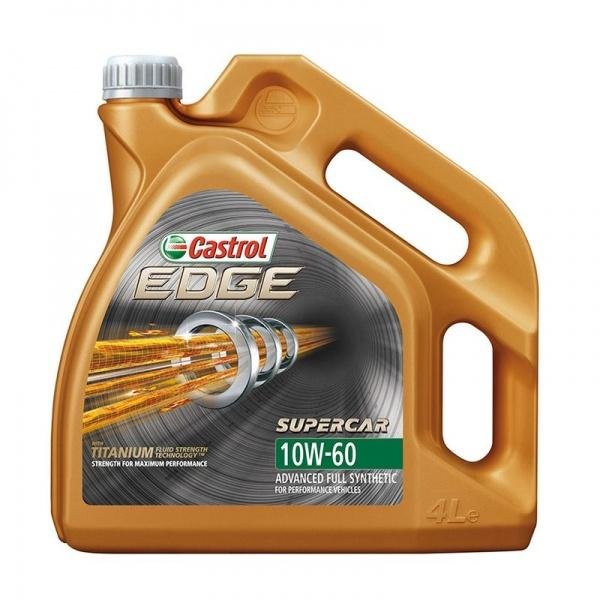
| Castrol EDGE 10W-60 | |
|---|---|
| ACEA A3/B4 | ✔ |
| API SN/CF | ✔ |
| BMW M | ✔ |
| VW 501 01 / 505 00 | ✔ |

| Shell Helix Ultra Racing 10W-60 | |
|---|---|
| ACEA A3/B4 | ✔ |
| API SN/CF | ✔ |
| BMW M | ❌ |
| VW 501 01 / 505 00 | ❌ |
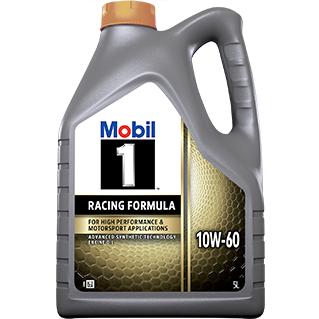
| Mobil 1 10W-60 | |
|---|---|
| ACEA A3/B4 | ✔ |
| API SN/CF | ✔ |
| BMW M | ✔ |
| VW 501 01 / 505 00 | ✔ |

| Liqui Moly Race Tech GT1 10W-60 | |
|---|---|
| ACEA A3/B4 | ✔ |
| API SN/CF | ✔ |
| BMW M | ❌ |
| VW 501 01 / 505 00 | ❌ |
Oil specification key
✔ – Meets the required specification
❓ – Not explicitly stated (use caution; check your vehicle manual)
❌ – Does not meet required specification. Use may cause engine issues.
✔ – Meets the required specification
❓ – Not explicitly stated (use caution; check your vehicle manual)
❌ – Does not meet required specification. Use may cause engine issues.
As an Amazon Associate, we may earn from qualifying purchases.
Answer generated by AI.
Oil specifications for B18 E engine
SAE 10W-40
API SJ
ACEA A3/B3
MB 229.1
Most common problems, symptoms & fixes for the B18 E engine.
Engine B18 E
Symptoms:
- Rough idling and hesitation during acceleration
- Poor fuel economy and increased emissions
- Engine misfires or stalling
- Difficulty starting the engine, especially when cold
- Unusual noises such as knocking or tapping from the engine bay
Diagnosis:
- Check ignition components including spark plugs, wires, distributor cap, and rotor for wear or damage
- Inspect fuel system for clogged injectors or fuel filter issues
- Test the carburetor or fuel injection system for proper operation and tuning
- Examine vacuum hoses for leaks or cracks causing air-fuel mixture imbalance
- Perform compression test to assess cylinder health and valve sealing
- Check timing belt condition and timing settings to ensure correct ignition timing
Fixes:
- Replace worn or fouled spark plugs and ignition components to restore proper firing
- Clean or replace fuel injectors and fuel filter to improve fuel delivery
- Adjust or rebuild carburetor/fuel injection system for optimal air-fuel mixture
- Repair or replace damaged vacuum hoses to eliminate leaks
- Replace timing belt if worn or damaged and reset ignition timing as per specifications
- Address any mechanical issues found during compression test, such as valve or piston ring wear
Prevention:
- Follow regular maintenance schedule including timely replacement of spark plugs, ignition parts, and fuel filters
- Use quality fuel and keep the fuel system clean to prevent injector clogging
- Regularly inspect and replace vacuum hoses before they deteriorate
- Change timing belt at recommended intervals to avoid engine damage
- Keep engine tuned according to manufacturer specifications to maintain performance and efficiency
Symptoms:
- Rough idling and hesitation during acceleration
- Poor fuel economy and increased emissions
- Engine misfires or stalling
- Difficulty starting the engine, especially when cold
- Unusual noises such as knocking or tapping from the engine bay
Diagnosis:
- Check ignition components including spark plugs, wires, distributor cap, and rotor for wear or damage
- Inspect fuel system for clogged injectors or fuel filter issues
- Test the carburetor or fuel injection system for proper operation and tuning
- Examine vacuum hoses for leaks or cracks causing air-fuel mixture imbalance
- Perform compression test to assess cylinder health and valve sealing
- Check timing belt condition and timing settings to ensure correct ignition timing
Fixes:
- Replace worn or fouled spark plugs and ignition components to restore proper firing
- Clean or replace fuel injectors and fuel filter to improve fuel delivery
- Adjust or rebuild carburetor/fuel injection system for optimal air-fuel mixture
- Repair or replace damaged vacuum hoses to eliminate leaks
- Replace timing belt if worn or damaged and reset ignition timing as per specifications
- Address any mechanical issues found during compression test, such as valve or piston ring wear
Prevention:
- Follow regular maintenance schedule including timely replacement of spark plugs, ignition parts, and fuel filters
- Use quality fuel and keep the fuel system clean to prevent injector clogging
- Regularly inspect and replace vacuum hoses before they deteriorate
- Change timing belt at recommended intervals to avoid engine damage
- Keep engine tuned according to manufacturer specifications to maintain performance and efficiency