Engine code
Vehicles using X20SE engine list:
Which cars use the X20SE engine and what oil to use. Common X20SE engine faults, symptoms, diagnosis, prevention and repair.
Recommended oil for engine X20SE engine.
Ask AI about any Engine code
Questions strictly about engine codes (brand/model/engine type/production years).
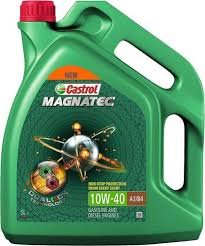
| Castrol MAGNATEC 10W-40 A3/B4 | |
|---|---|
| SAE 10W-40 | ✔ |
| ACEA A3/B3 | ✔ |
| ACEA A3/B4 | ✔ |
| API SN | ✔ |
| Fiat 9.55535-D2 | ✔ |
| MB-Approval 226.5 | ✔ |
| Renault RN0700 | ✔ |
| Renault RN0710 | ✔ |
| VW 501 01 | ✔ |
| VW 505 00 | ✔ |
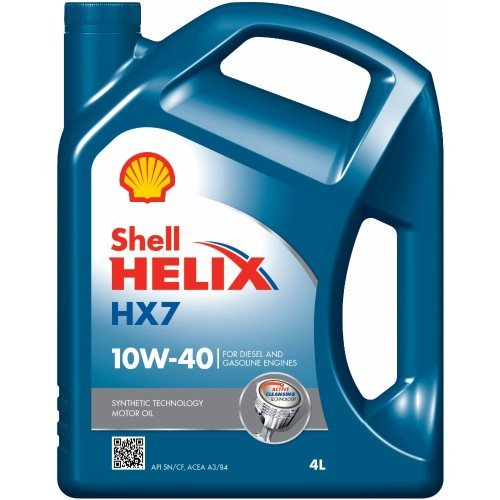
| Shell Helix HX7 10W-40 | |
|---|---|
| SAE 10W-40 | ✔ |
| ACEA A3/B3 | ✔ |
| ACEA A3/B4 | ✔ |
| API SN | ✔ |
| Fiat 9.55535-D2 | ❓ |
| MB-Approval 226.5 | ❓ |
| Renault RN0700 | ✔ |
| Renault RN0710 | ✔ |
| VW 501 01 | ❌ |
| VW 505 00 | ✔ |
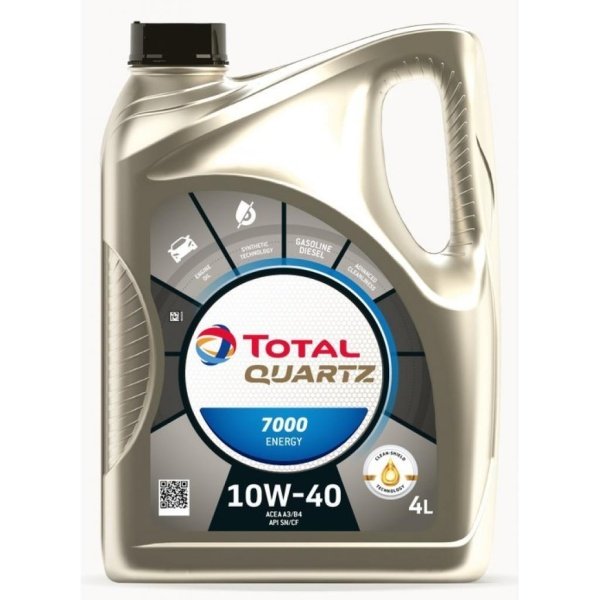
| Total Quartz 7000 10W-40 | |
|---|---|
| SAE 10W-40 | ✔ |
| ACEA A3/B3 | ❓ |
| ACEA A3/B4 | ✔ |
| API SN | ✔ |
| Fiat 9.55535-D2 | ❌ |
| MB-Approval 226.5 | ❓ |
| Renault RN0700 | ❌ |
| Renault RN0710 | ❌ |
| VW 501 01 | ✔ |
| VW 505 00 | ✔ |
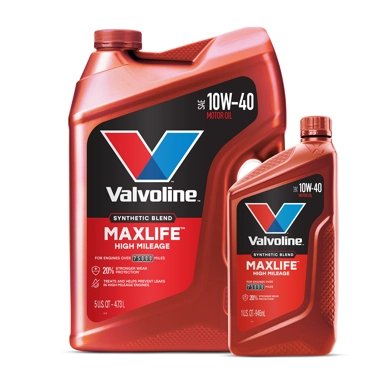
| Valvoline MaxLife 10W-40 | |
|---|---|
| SAE 10W-40 | ✔ |
| ACEA A3/B3 | ❓ |
| ACEA A3/B4 | ✔ |
| API SN | ✔ |
| Fiat 9.55535-D2 | ✔ |
| MB-Approval 226.5 | ❓ |
| Renault RN0700 | ✔ |
| Renault RN0710 | ✔ |
| VW 501 01 | ❌ |
| VW 505 00 | ✔ |
Oil specification key
✔ – Meets the required specification
❓ – Not explicitly stated (use caution; check your vehicle manual)
❌ – Does not meet required specification. Use may cause engine issues.
✔ – Meets the required specification
❓ – Not explicitly stated (use caution; check your vehicle manual)
❌ – Does not meet required specification. Use may cause engine issues.
As an Amazon Associate, we may earn from qualifying purchases.
Answer generated by AI.
Oil specifications for X20SE engine
SAE 10W-40
ACEA A3/B3
API SJ
Most common problems, symptoms & fixes for the X20SE engine.
Engine X20SE
Symptoms:
- Rough idling and hesitation during acceleration
- Engine misfires or stalling
- Loss of power and poor fuel economy
- Check Engine Light illumination
- Overheating or coolant leaks
Diagnosis:
- Inspect ignition components such as spark plugs, ignition coils, and leads for wear or damage
- Check for vacuum leaks around intake manifold and hoses
- Test the fuel injectors and fuel pressure regulator for proper operation
- Scan the engine control unit (ECU) for fault codes related to sensors (e.g., oxygen sensor, coolant temperature sensor)
- Examine the timing belt for wear or incorrect tension, as timing issues can cause misfires
- Inspect the cooling system for leaks or malfunctioning thermostat
Fixes:
- Replace worn or fouled spark plugs and faulty ignition coils to restore proper combustion
- Repair or replace cracked or leaking vacuum hoses to eliminate air leaks
- Clean or replace fuel injectors and ensure correct fuel pressure to improve fuel delivery
- Replace faulty sensors identified by ECU diagnostics to ensure accurate engine management
- Change the timing belt at recommended intervals (usually every 60,000 to 90,000 km) to prevent timing failures
- Repair coolant leaks and replace thermostat or water pump if necessary to maintain engine temperature
Prevention:
- Follow the manufacturer’s recommended maintenance schedule for spark plugs, timing belt, and coolant changes
- Use quality fuel and engine oil to reduce deposits and wear
- Regularly inspect hoses and belts for signs of aging or damage
- Address any Check Engine Light warnings promptly to avoid further damage
- Keep the cooling system in good condition by flushing and refilling coolant as advised
By adhering to these diagnostic steps and maintenance practices, owners of vehicles equipped with the X20SE engine can minimize common issues and ensure reliable performance.
Symptoms:
- Rough idling and hesitation during acceleration
- Engine misfires or stalling
- Loss of power and poor fuel economy
- Check Engine Light illumination
- Overheating or coolant leaks
Diagnosis:
- Inspect ignition components such as spark plugs, ignition coils, and leads for wear or damage
- Check for vacuum leaks around intake manifold and hoses
- Test the fuel injectors and fuel pressure regulator for proper operation
- Scan the engine control unit (ECU) for fault codes related to sensors (e.g., oxygen sensor, coolant temperature sensor)
- Examine the timing belt for wear or incorrect tension, as timing issues can cause misfires
- Inspect the cooling system for leaks or malfunctioning thermostat
Fixes:
- Replace worn or fouled spark plugs and faulty ignition coils to restore proper combustion
- Repair or replace cracked or leaking vacuum hoses to eliminate air leaks
- Clean or replace fuel injectors and ensure correct fuel pressure to improve fuel delivery
- Replace faulty sensors identified by ECU diagnostics to ensure accurate engine management
- Change the timing belt at recommended intervals (usually every 60,000 to 90,000 km) to prevent timing failures
- Repair coolant leaks and replace thermostat or water pump if necessary to maintain engine temperature
Prevention:
- Follow the manufacturer’s recommended maintenance schedule for spark plugs, timing belt, and coolant changes
- Use quality fuel and engine oil to reduce deposits and wear
- Regularly inspect hoses and belts for signs of aging or damage
- Address any Check Engine Light warnings promptly to avoid further damage
- Keep the cooling system in good condition by flushing and refilling coolant as advised
By adhering to these diagnostic steps and maintenance practices, owners of vehicles equipped with the X20SE engine can minimize common issues and ensure reliable performance.