Engine code
Vehicles using transmission engine list:
Which cars use the transmission engine and what oil to use. Common transmission engine faults, symptoms, diagnosis, prevention and repair.
Ask AI about any Engine code
Questions strictly about engine codes (brand/model/engine type/production years).
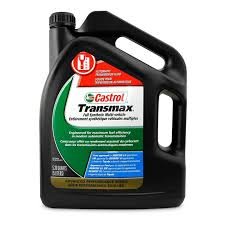
| Castrol Transmax Full Synthetic Multi-Vehicle ATF | |
|---|---|
| DEXRON®-VI | ✔ |
| MERCON® LV | ✔ |
| Toyota WS | ✔ |
| Nissan Matic S | ✔ |
| Honda DW-1 | ✔ |
| Hyundai SP-IV / Kia SP-IV | ✔ |
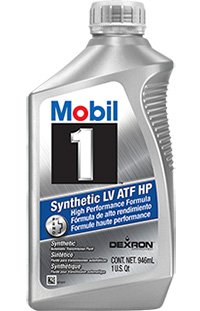
| Mobil 1 Synthetic LV ATF HP | |
|---|---|
| DEXRON®-VI | ✔ |
| MERCON® LV | ✔ |
| Toyota WS | ✔ |
| Nissan Matic S | ✔ |
| Honda DW-1 | ✔ |
| Hyundai SP-IV / Kia SP-IV | ✔ |
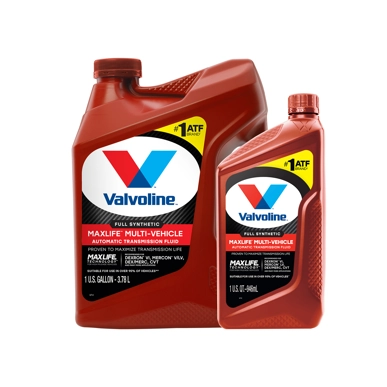
| Valvoline MaxLife Multi-Vehicle ATF | |
|---|---|
| DEXRON®-VI | ✔ |
| MERCON® LV | ✔ |
| Toyota WS | ✔ |
| Nissan Matic S | ✔ |
| Honda DW-1 | ✔ |
| Hyundai SP-IV / Kia SP-IV | ✔ |
Oil specification key
✔ – Meets the required specification
❓ – Not explicitly stated (use caution; check your vehicle manual)
❌ – Does not meet required specification. Use may cause engine issues.
✔ – Meets the required specification
❓ – Not explicitly stated (use caution; check your vehicle manual)
❌ – Does not meet required specification. Use may cause engine issues.
As an Amazon Associate, we may earn from qualifying purchases.
Answer generated by AI.
Oil specifications for transmission engine
NO INFO -
Most common problems, symptoms & fixes for the transmission engine.
Engine transmission
Symptoms:
- Difficulty shifting gears or gears slipping
- Unusual noises such as grinding or whining during gear changes
- Transmission fluid leaks or low fluid levels
- Clutch pedal feels spongy or stiff (manual transmission)
- Transmission overheating or burning smell
Diagnosis:
- Check transmission fluid level and condition; burnt or dirty fluid indicates wear or overheating
- Inspect clutch system for wear, including clutch disc, pressure plate, and release bearing
- Examine gear linkage and cables for misalignment or damage
- Listen for abnormal noises during gear shifts to identify worn synchronizers or bearings
- Perform a road test to observe shifting behavior and detect slipping or hesitation
Fixes:
- Replace worn clutch components if slipping or difficulty engaging gears is present
- Change transmission fluid and filter regularly to maintain lubrication and cooling
- Adjust or repair gear linkage and cables to ensure proper gear engagement
- Repair or replace worn synchronizers, bearings, or gears causing noise or shifting problems
- Seal any transmission fluid leaks by replacing gaskets or seals as needed
Prevention:
- Regularly check and maintain proper transmission fluid levels and quality
- Avoid aggressive shifting and allow the clutch to fully engage before accelerating
- Perform scheduled maintenance including clutch inspection and transmission servicing
- Use manufacturer-recommended transmission fluid to ensure compatibility and protection
- Address minor transmission issues promptly to prevent further damage and costly repairs
Symptoms:
- Difficulty shifting gears or gears slipping
- Unusual noises such as grinding or whining during gear changes
- Transmission fluid leaks or low fluid levels
- Clutch pedal feels spongy or stiff (manual transmission)
- Transmission overheating or burning smell
Diagnosis:
- Check transmission fluid level and condition; burnt or dirty fluid indicates wear or overheating
- Inspect clutch system for wear, including clutch disc, pressure plate, and release bearing
- Examine gear linkage and cables for misalignment or damage
- Listen for abnormal noises during gear shifts to identify worn synchronizers or bearings
- Perform a road test to observe shifting behavior and detect slipping or hesitation
Fixes:
- Replace worn clutch components if slipping or difficulty engaging gears is present
- Change transmission fluid and filter regularly to maintain lubrication and cooling
- Adjust or repair gear linkage and cables to ensure proper gear engagement
- Repair or replace worn synchronizers, bearings, or gears causing noise or shifting problems
- Seal any transmission fluid leaks by replacing gaskets or seals as needed
Prevention:
- Regularly check and maintain proper transmission fluid levels and quality
- Avoid aggressive shifting and allow the clutch to fully engage before accelerating
- Perform scheduled maintenance including clutch inspection and transmission servicing
- Use manufacturer-recommended transmission fluid to ensure compatibility and protection
- Address minor transmission issues promptly to prevent further damage and costly repairs