Vehicles using OM656.929 engine list:
- MERCEDES_BENZ - CLS 350 d (210kW) 2018–2023
- MERCEDES_BENZ - S 400 d (250kW) 2018–2020
- MERCEDES_BENZ - S 350 d (210kW) 2018–2020
- MERCEDES_BENZ - E 350 d Coupé / Cabriolet (210kW) 2018–2023
- MERCEDES_BENZ - GLE 350 d 4MATIC (200kW) 2019–2025
- MERCEDES_BENZ - GLE 400 d 4MATIC (243kW) 2019–2025
- MERCEDES_BENZ - GLS 350 d 4MATIC (200kW) 2019–2025
- MERCEDES_BENZ - GLS 400 d 4MATIC (243kW) 2019–2025
- MERCEDES_BENZ - G 350 d (210kW) 2019–2024
- MERCEDES_BENZ - G 400 d (243kW) 2019–2024
- MERCEDES_BENZ - GLE 350 d 4MATIC Coupé (200kW) 2019–2025
- MERCEDES_BENZ - S 350 d (210kW) 2020–2023
- MERCEDES_BENZ - GLE 400 d 4MATIC Coupé (243kW) 2020–2025
Recommended oil for engine OM656.929 engine.
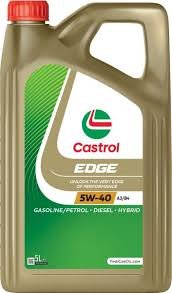
| Castrol EDGE 5W-40 A3/B4 | |
|---|---|
| ACEA A3/B4 | ✔ |
| API SP | ✔ |
| BMW Longlife-01 | ✔ |
| MB 229.3 / 229.5 / 226.5 | ✔ |
| Porsche A40 | ✔ |
| Renault RN0700 / RN0710 | ✔ |
| VW 502 00 / 505 00 | ✔ |
| Chrysler MS-12991 | ✔ |

| Ravenol VST 5W‑40 | |
|---|---|
| ACEA A3/B4 | ✔ |
| API SP | ✔ |
| BMW Longlife‑01 | ✔ |
| MB 229.5 / 226.5 | ✔ |
| Porsche A40 | ✔ |
| VW 502.00 / 505.00 | ✔ |
| Renault RN0700/0710 | ✔ |
| Chrysler MS‑12991 | ✔ |

| Mobil 1 FS 5W‑40 | |
|---|---|
| ACEA A3/B3/B4 | ✔ |
| API SN/SM/CF | ✔ |
| BMW Longlife‑01 | ✔ |
| MB 229.3 / 229.5 | ✔ |
| Porsche A40 | ✔ |
| VW 502.00 / 505.00 | ✔ |
| Renault RN0700/0710 | ✔ |
| Chrysler MS‑12991 | ✔ |

| Liqui Moly High Tech 5W‑40 | |
|---|---|
| ACEA A3/B4 | ✔ |
| API SN/CF | ✔ |
| BMW Longlife‑01 | ✔ |
| MB 229.5 | ✔ |
| Porsche A40 | ✔ |
| VW 502.00 / 505.00 | ✔ |
| Renault RN0700/0710 | ✔ |
| Chrysler MS‑12991 | ✔ |
Oil specification key
✔ – Meets the required specification
❓ – Not explicitly stated (use caution; check your vehicle manual)
❌ – Does not meet required specification. Use may cause engine issues.
✔ – Meets the required specification
❓ – Not explicitly stated (use caution; check your vehicle manual)
❌ – Does not meet required specification. Use may cause engine issues.
Answer generated by AI.
Oil specifications for OM656.929 engine
SAE 0W-40
ACEA C3
MB 229.52
Most common problems, symptoms & fixes for the OM656.929 engine.
Engine OM656.929
Symptoms:
- Loss of power or reduced engine performance
- Rough idling or engine misfires
- Increased fuel consumption
- Warning lights on the dashboard, such as the check engine light
- Unusual noises from the engine bay
- Excessive smoke from the exhaust
Diagnosis:
- Use diagnostic tools to read fault codes from the engine control unit (ECU)
- Inspect the turbocharger for signs of wear or damage, as turbo issues are common
- Check the diesel particulate filter (DPF) for clogging or regeneration failures
- Examine the fuel system, including injectors and fuel filters, for blockages or leaks
- Inspect the EGR (Exhaust Gas Recirculation) valve for carbon buildup or malfunction
- Verify the condition of the timing chain and associated components for wear
Fixes:
- Clean or replace the diesel particulate filter if clogged
- Repair or replace faulty turbochargers or related components such as actuators
- Clean or replace EGR valves to restore proper function
- Replace worn or damaged fuel injectors and fuel filters
- Address timing chain wear by replacing the chain and tensioners as needed
- Perform software updates or ECU recalibration to resolve electronic control issues
Prevention:
- Adhere strictly to the manufacturer’s recommended maintenance schedule, including timely oil and filter changes
- Use high-quality diesel fuel and approved lubricants to reduce deposit formation
- Regularly drive the vehicle at higher RPMs to facilitate DPF regeneration and prevent clogging
- Avoid frequent short trips that prevent the engine from reaching optimal operating temperature
- Monitor warning lights promptly and address issues early to prevent escalation
- Keep the engine clean and inspect components periodically for early signs of wear or damage
Symptoms:
- Loss of power or reduced engine performance
- Rough idling or engine misfires
- Increased fuel consumption
- Warning lights on the dashboard, such as the check engine light
- Unusual noises from the engine bay
- Excessive smoke from the exhaust
Diagnosis:
- Use diagnostic tools to read fault codes from the engine control unit (ECU)
- Inspect the turbocharger for signs of wear or damage, as turbo issues are common
- Check the diesel particulate filter (DPF) for clogging or regeneration failures
- Examine the fuel system, including injectors and fuel filters, for blockages or leaks
- Inspect the EGR (Exhaust Gas Recirculation) valve for carbon buildup or malfunction
- Verify the condition of the timing chain and associated components for wear
Fixes:
- Clean or replace the diesel particulate filter if clogged
- Repair or replace faulty turbochargers or related components such as actuators
- Clean or replace EGR valves to restore proper function
- Replace worn or damaged fuel injectors and fuel filters
- Address timing chain wear by replacing the chain and tensioners as needed
- Perform software updates or ECU recalibration to resolve electronic control issues
Prevention:
- Adhere strictly to the manufacturer’s recommended maintenance schedule, including timely oil and filter changes
- Use high-quality diesel fuel and approved lubricants to reduce deposit formation
- Regularly drive the vehicle at higher RPMs to facilitate DPF regeneration and prevent clogging
- Avoid frequent short trips that prevent the engine from reaching optimal operating temperature
- Monitor warning lights promptly and address issues early to prevent escalation
- Keep the engine clean and inspect components periodically for early signs of wear or damage