Vehicles using M15A-FKS engine list:
Recommended oil for engine M15A-FKS engine.
Ask AI about any Engine code
Questions strictly about engine codes (brand/model/engine type/production years).
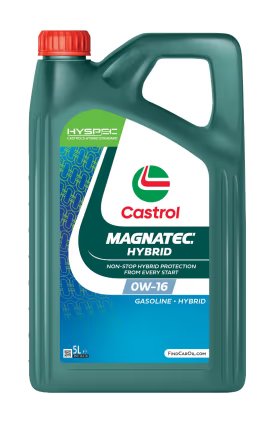
| Castrol MAGNATEC Hybrid 0W‑16 | |
|---|---|
| SAE 0W‑16 | ✔ |
| API SP | ✔ |
| ILSAC GF‑6B | ✔ |
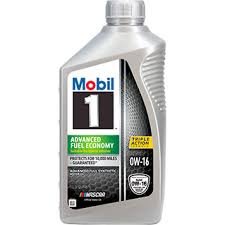
| Mobil 1™ 0W‑16 Advanced Fuel Economy | |
|---|---|
| SAE 0W‑16 | ✔ |
| API SP | ✔ |
| ILSAC GF‑6B | ✔ |
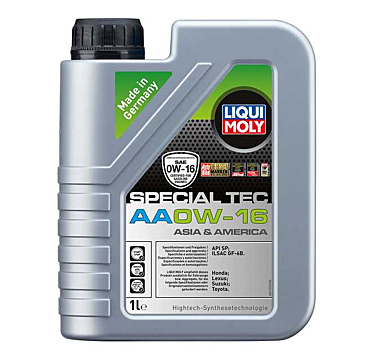
| Liqui Moly Special Tec AA 0W‑16 | |
|---|---|
| SAE 0W‑16 | ✔ |
| API SP | ✔ |
| ILSAC GF‑6B | ✔ |
Oil specification key
✔ – Meets the required specification
❓ – Not explicitly stated (use caution; check your vehicle manual)
❌ – Does not meet required specification. Use may cause engine issues.
✔ – Meets the required specification
❓ – Not explicitly stated (use caution; check your vehicle manual)
❌ – Does not meet required specification. Use may cause engine issues.
As an Amazon Associate, we may earn from qualifying purchases.
Answer generated by AI.
Oil specifications for M15A-FKS engine
SAE 0W-20
API SN Plus
ILSAC GF-6A
NO INFO -
Most common problems, symptoms & fixes for the M15A-FKS engine.
Engine M15A-FKS
Symptoms:
- Rough idling or engine hesitation
- Reduced fuel efficiency
- Check Engine Light (CEL) illumination
- Occasional stalling or misfire
- Unusual engine noises or vibrations
Diagnosis:
- Use an OBD-II scanner to check for stored trouble codes related to ignition, fuel system, or emissions.
- Inspect spark plugs and ignition coils for wear or damage.
- Check for vacuum leaks or intake manifold gasket issues causing rough idle.
- Examine the fuel injectors for clogging or poor spray pattern.
- Verify proper operation of the Variable Valve Timing (VVT) system.
- Inspect the air filter and intake system for blockages or dirt.
- Check for carbon buildup on intake valves, which can affect performance.
Fixes:
- Replace worn or fouled spark plugs and faulty ignition coils.
- Clean or replace clogged fuel injectors.
- Repair or replace vacuum lines and intake manifold gaskets if leaks are found.
- Clean the throttle body and intake valves to remove carbon deposits.
- Replace the air filter regularly to ensure proper airflow.
- Update engine control software if Toyota has released relevant Technical Service Bulletins (TSBs).
- Address any VVT system faults by replacing faulty solenoids or sensors.
- Perform routine oil changes using manufacturer-recommended oil to maintain VVT system health.
Prevention:
- Follow Toyota’s recommended maintenance schedule strictly, including timely oil and filter changes.
- Use high-quality fuel and oil to minimize carbon buildup and engine deposits.
- Regularly inspect and replace air filters to maintain optimal airflow.
- Avoid prolonged idling and aggressive driving to reduce engine stress.
- Periodically use fuel system cleaners approved by Toyota to keep injectors clean.
- Schedule periodic professional inspections to catch early signs of wear or malfunction.
- Keep the engine bay clean to prevent dirt and debris from affecting components.
-NO INFO-
Symptoms:
- Rough idling or engine hesitation
- Reduced fuel efficiency
- Check Engine Light (CEL) illumination
- Occasional stalling or misfire
- Unusual engine noises or vibrations
Diagnosis:
- Use an OBD-II scanner to check for stored trouble codes related to ignition, fuel system, or emissions.
- Inspect spark plugs and ignition coils for wear or damage.
- Check for vacuum leaks or intake manifold gasket issues causing rough idle.
- Examine the fuel injectors for clogging or poor spray pattern.
- Verify proper operation of the Variable Valve Timing (VVT) system.
- Inspect the air filter and intake system for blockages or dirt.
- Check for carbon buildup on intake valves, which can affect performance.
Fixes:
- Replace worn or fouled spark plugs and faulty ignition coils.
- Clean or replace clogged fuel injectors.
- Repair or replace vacuum lines and intake manifold gaskets if leaks are found.
- Clean the throttle body and intake valves to remove carbon deposits.
- Replace the air filter regularly to ensure proper airflow.
- Update engine control software if Toyota has released relevant Technical Service Bulletins (TSBs).
- Address any VVT system faults by replacing faulty solenoids or sensors.
- Perform routine oil changes using manufacturer-recommended oil to maintain VVT system health.
Prevention:
- Follow Toyota’s recommended maintenance schedule strictly, including timely oil and filter changes.
- Use high-quality fuel and oil to minimize carbon buildup and engine deposits.
- Regularly inspect and replace air filters to maintain optimal airflow.
- Avoid prolonged idling and aggressive driving to reduce engine stress.
- Periodically use fuel system cleaners approved by Toyota to keep injectors clean.
- Schedule periodic professional inspections to catch early signs of wear or malfunction.
- Keep the engine bay clean to prevent dirt and debris from affecting components.
-NO INFO-