Engine code
Vehicles using F8B engine list:
Which cars use the F8B engine and what oil to use. Common F8B engine faults, symptoms, diagnosis, prevention and repair.
Ask AI about any Engine code
Questions strictly about engine codes (brand/model/engine type/production years).
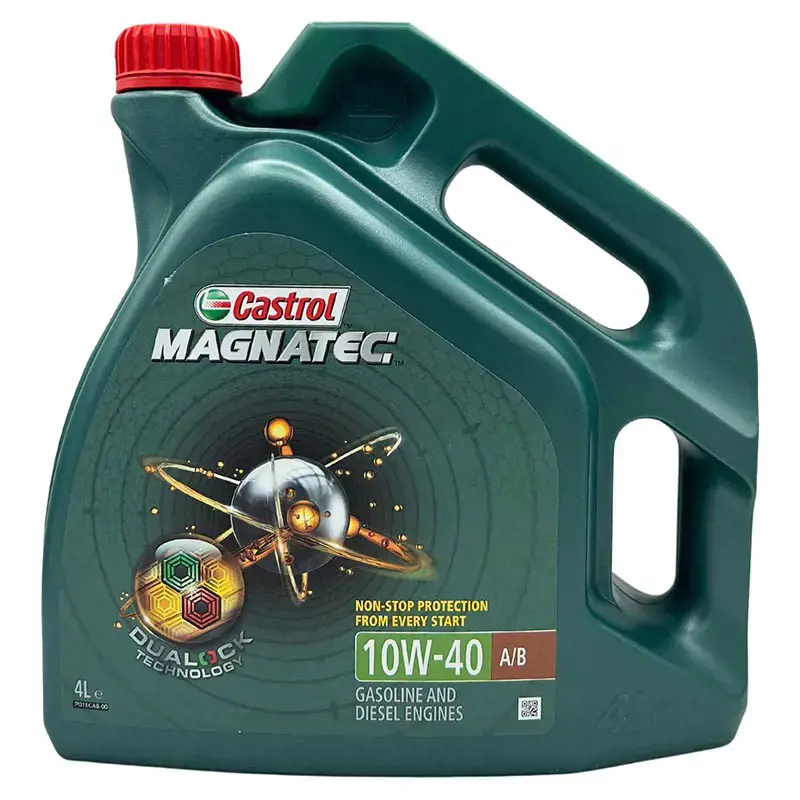
| Castrol MAGNATEC 10W‑40 A/B | |
|---|---|
| SAE 10W‑40 | ✔ |
| ACEA A3/B4 | ✔ |
| API SP | ✔ |
| MB‑Approval 226.5/229.3 | ✔ |
| Renault RN0700 / RN0710 | ✔ |
| VW 501 01 / 505 00 | ✔ |
| Fiat 9.55535‑D2 | ✔ |
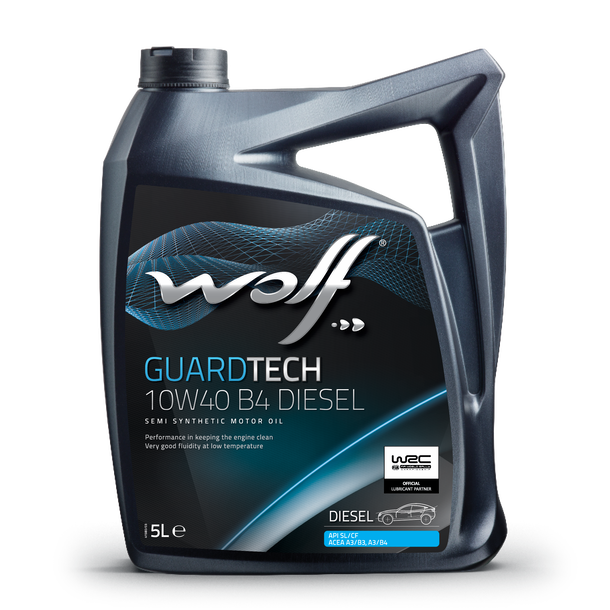
| Wolf GuardTech 10W‑40 B4 | |
|---|---|
| ACEA A3/B4 | ✔ |
| API SN | ✔ |
| MB‑Approval 229.1 | ❓ |
| Renault RN0700 / RN0710 | ✔ |
| VW 501 01 / 505 00 | ✔ |
| Fiat 9.55535‑D2 | ✔ |
| Champion Active Defence 10W‑40 B4 | |
|---|---|
| ACEA A3/B4 | ✔ |
| API SN | ✔ |
| MB‑Approval 229.1 | ❓ |
| Renault RN0700 / RN0710 | ✔ |
| VW 501 01 / 505 00 | ✔ |
| Fiat 9.55535‑D2 | ✔ |
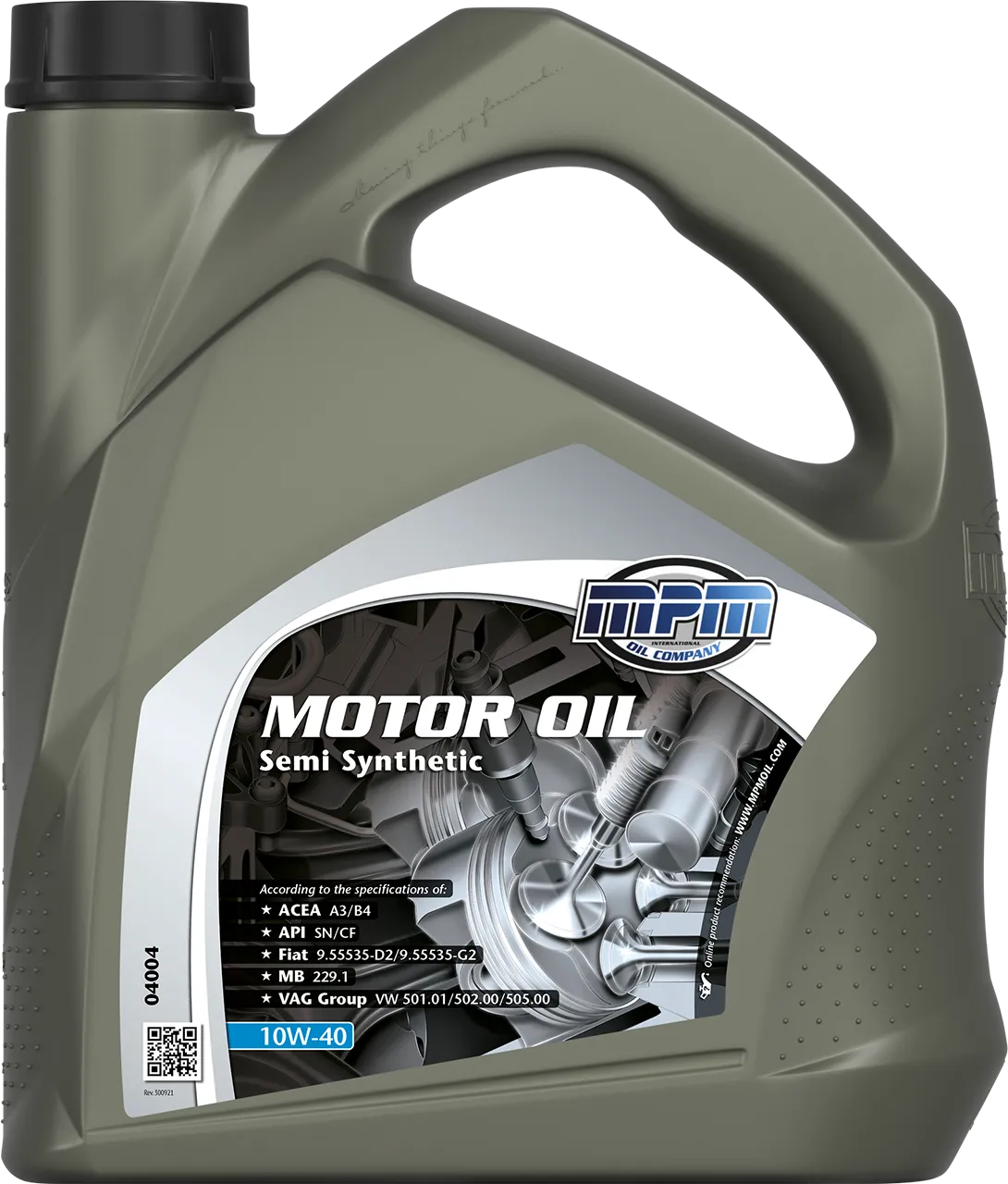
| MPM Part Synthetic 10W‑40 | |
|---|---|
| ACEA A3/B4 | ✔ |
| API SN/CF | ✔ |
| MB‑Approval 229.3 | ❓ |
| Renault RN0700 / RN0710 | ✔ |
| VW 501 01 / 505 00 | ✔ |
| Fiat 9.55535‑D2 | ✔ |
Oil specification key
✔ – Meets the required specification
❓ – Not explicitly stated (use caution; check your vehicle manual)
❌ – Does not meet required specification. Use may cause engine issues.
✔ – Meets the required specification
❓ – Not explicitly stated (use caution; check your vehicle manual)
❌ – Does not meet required specification. Use may cause engine issues.
As an Amazon Associate, we may earn from qualifying purchases.
Answer generated by AI.
Oil specifications for F8B engine
SAE 10W-40
API SJ
Most common problems, symptoms & fixes for the F8B engine.
Engine F8B
Symptoms:
- Rough idling and poor acceleration
- Engine overheating
- Excessive oil consumption or smoke from the exhaust
- Difficulty starting the engine or stalling
- Unusual knocking or ticking noises from the engine
Diagnosis:
- Check for vacuum leaks around intake manifold and hoses
- Inspect the cooling system for leaks, radiator blockages, or faulty thermostat
- Examine spark plugs and ignition components for wear or fouling
- Perform a compression test to assess cylinder health
- Look for oil leaks or signs of worn piston rings and valve seals
- Listen for abnormal engine noises indicating bearing or timing chain issues
Fixes:
- Replace cracked or brittle vacuum hoses and gaskets to eliminate leaks
- Flush and service the cooling system; replace thermostat and radiator if necessary
- Change spark plugs, ignition wires, and distributor components as needed
- Repair or replace worn piston rings and valve seals to reduce oil consumption
- Adjust or replace timing chain and tensioner to resolve knocking noises
- Clean or replace clogged fuel injectors or carburetor components for better fuel delivery
Prevention:
- Regularly change engine oil and use the recommended grade to maintain lubrication
- Follow scheduled maintenance for cooling system flushing and component checks
- Replace spark plugs and ignition parts at manufacturer-recommended intervals
- Avoid prolonged idling and harsh driving to reduce engine stress
- Monitor engine temperature gauge and address overheating promptly
- Use quality fuel and keep the fuel system clean to prevent deposits and misfires
Symptoms:
- Rough idling and poor acceleration
- Engine overheating
- Excessive oil consumption or smoke from the exhaust
- Difficulty starting the engine or stalling
- Unusual knocking or ticking noises from the engine
Diagnosis:
- Check for vacuum leaks around intake manifold and hoses
- Inspect the cooling system for leaks, radiator blockages, or faulty thermostat
- Examine spark plugs and ignition components for wear or fouling
- Perform a compression test to assess cylinder health
- Look for oil leaks or signs of worn piston rings and valve seals
- Listen for abnormal engine noises indicating bearing or timing chain issues
Fixes:
- Replace cracked or brittle vacuum hoses and gaskets to eliminate leaks
- Flush and service the cooling system; replace thermostat and radiator if necessary
- Change spark plugs, ignition wires, and distributor components as needed
- Repair or replace worn piston rings and valve seals to reduce oil consumption
- Adjust or replace timing chain and tensioner to resolve knocking noises
- Clean or replace clogged fuel injectors or carburetor components for better fuel delivery
Prevention:
- Regularly change engine oil and use the recommended grade to maintain lubrication
- Follow scheduled maintenance for cooling system flushing and component checks
- Replace spark plugs and ignition parts at manufacturer-recommended intervals
- Avoid prolonged idling and harsh driving to reduce engine stress
- Monitor engine temperature gauge and address overheating promptly
- Use quality fuel and keep the fuel system clean to prevent deposits and misfires