Engine code
Vehicles using electric/rear EM780 engine list:
Which cars use the electric/rear EM780 engine and what oil to use. Common electric/rear EM780 engine faults, symptoms, diagnosis, prevention and repair.
- MERCEDES_BENZ - EQS 580 4MATIC (385kW) 2021–2025
- MERCEDES_BENZ - EQS 450+ (245kW) 2021–2025
- MERCEDES_BENZ - EQS 350 (215kW) 2021–2025
- MERCEDES_BENZ - EQS 450 4MATIC (265kW) 2021–2025
- MERCEDES_BENZ - EQS 500 4MATIC (330kW) 2021–2025
- MERCEDES_BENZ - EQS 53 AMG 4MATIC+ (484kW) 2021–2025
- MERCEDES_BENZ - EQB 300 4MATIC (168kW) 2022–2025
- MERCEDES_BENZ - EQB 350 4MATIC (215kW) 2022–2025
- MERCEDES_BENZ - EQE 350 (215kW) 2022–2025
- MERCEDES_BENZ - EQE 300 (180kW) 2022–2025
- MERCEDES_BENZ - EQS 450+ (265kW) 2022–2025
- MERCEDES_BENZ - EQS 580 4MATIC (400kW) 2022–2025
- MERCEDES_BENZ - EQE 53 AMG 4MATIC (505kW) 2022–2025
- MERCEDES_BENZ - EQE 350+ (215kW) 2022–2025
- MERCEDES_BENZ - EQS 450+ (265kW) 2023–2025
- MERCEDES_BENZ - EQS 53 AMG 4MATIC+ (470kW) 2023–2025
- MERCEDES_BENZ - EQS 680 4MATIC Maybach (484kW) 2023–2025
- MERCEDES_BENZ - EQE 350+ (215kW) 2023–2025
- MERCEDES_BENZ - EQE 300 (180kW) 2023–2025
- MERCEDES_BENZ - EQE 53 AMG 4MATIC (460kW) 2023–2025
- MERCEDES_BENZ - EQE 500 4MATIC (300kW) 2023–2025
Recommended oil for engine electric/rear EM780 engine.
Ask AI about any Engine code
Questions strictly about engine codes (brand/model/engine type/production years).
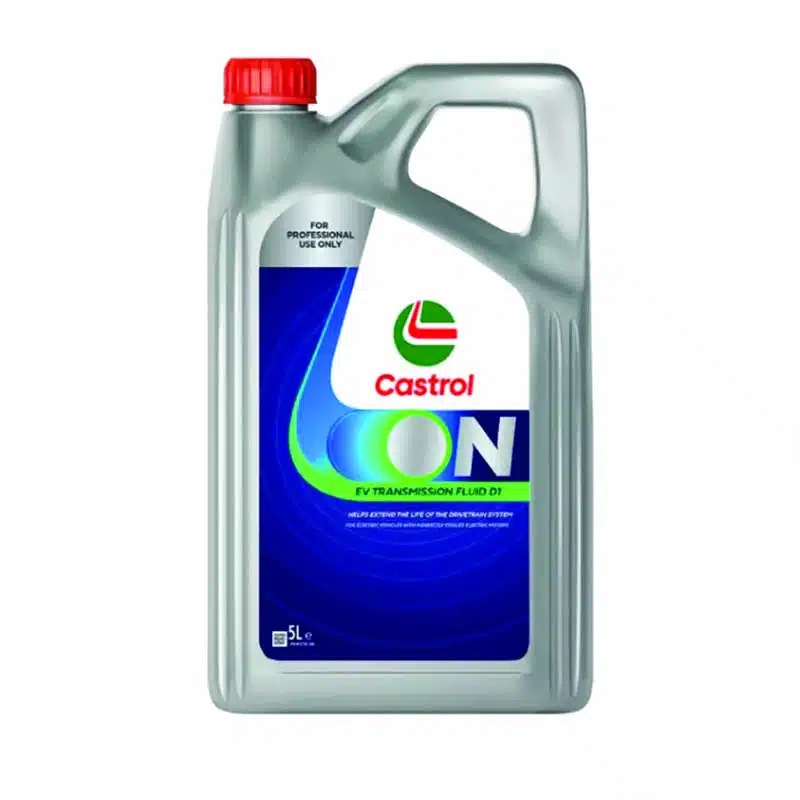
Oil specification key
✔ – Meets the required specification
❓ – Not explicitly stated (use caution; check your vehicle manual)
❌ – Does not meet required specification. Use may cause engine issues.
✔ – Meets the required specification
❓ – Not explicitly stated (use caution; check your vehicle manual)
❌ – Does not meet required specification. Use may cause engine issues.
As an Amazon Associate, we may earn from qualifying purchases.
Answer generated by AI.
Oil specifications for electric/rear EM780 engine
Most common problems, symptoms & fixes for the electric/rear EM780 engine.
Symptoms:
- Reduced electric motor power or loss of drive from the rear EM780 motor
- Warning lights on the dashboard related to electric drive or powertrain faults
- Unusual noises or vibrations from the rear axle area
- Inconsistent regenerative braking performance
- Overheating warnings or thermal derating during high load or extended driving
Diagnosis:
- Use Mercedes-Benz diagnostic tools (e.g., Xentry) to read fault codes specific to the EM780 motor and inverter
- Check for software updates or recalls related to the electric drive system
- Inspect wiring harnesses and connectors for corrosion, damage, or poor contact, especially around the rear motor and inverter
- Perform thermal imaging or temperature checks to identify overheating components
- Test motor insulation resistance and inverter functionality using specialized EV diagnostic equipment
Fixes:
- Update or reflash the motor control software to the latest version to resolve known bugs or improve performance
- Repair or replace damaged wiring harnesses and connectors to ensure reliable electrical connections
- Replace faulty inverter modules or motor components if diagnostics indicate hardware failure
- Clean and maintain cooling systems for the motor and inverter to prevent overheating
- Reset fault codes after repairs and perform test drives to confirm resolution
Prevention:
- Regularly schedule maintenance checks focusing on the electric drive system, including software updates
- Avoid prolonged high-load driving conditions that can cause thermal stress on the motor and inverter
- Keep the vehicle’s cooling system in optimal condition to prevent overheating of electric components
- Promptly address any dashboard warnings related to the electric drive to avoid further damage
- Use authorized service centers familiar with Mercedes-Benz EQ models for repairs and diagnostics to ensure proper handling of the EM780 system
- Reduced electric motor power or loss of drive from the rear EM780 motor
- Warning lights on the dashboard related to electric drive or powertrain faults
- Unusual noises or vibrations from the rear axle area
- Inconsistent regenerative braking performance
- Overheating warnings or thermal derating during high load or extended driving
Diagnosis:
- Use Mercedes-Benz diagnostic tools (e.g., Xentry) to read fault codes specific to the EM780 motor and inverter
- Check for software updates or recalls related to the electric drive system
- Inspect wiring harnesses and connectors for corrosion, damage, or poor contact, especially around the rear motor and inverter
- Perform thermal imaging or temperature checks to identify overheating components
- Test motor insulation resistance and inverter functionality using specialized EV diagnostic equipment
Fixes:
- Update or reflash the motor control software to the latest version to resolve known bugs or improve performance
- Repair or replace damaged wiring harnesses and connectors to ensure reliable electrical connections
- Replace faulty inverter modules or motor components if diagnostics indicate hardware failure
- Clean and maintain cooling systems for the motor and inverter to prevent overheating
- Reset fault codes after repairs and perform test drives to confirm resolution
Prevention:
- Regularly schedule maintenance checks focusing on the electric drive system, including software updates
- Avoid prolonged high-load driving conditions that can cause thermal stress on the motor and inverter
- Keep the vehicle’s cooling system in optimal condition to prevent overheating of electric components
- Promptly address any dashboard warnings related to the electric drive to avoid further damage
- Use authorized service centers familiar with Mercedes-Benz EQ models for repairs and diagnostics to ensure proper handling of the EM780 system