Engine code
Vehicles using E13S engine list:
Which cars use the E13S engine and what oil to use. Common E13S engine faults, symptoms, diagnosis, prevention and repair.
Recommended oil for engine E13S engine.
Ask AI about any Engine code
Questions strictly about engine codes (brand/model/engine type/production years).
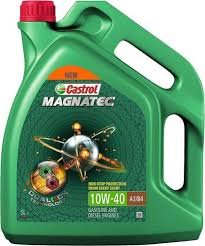
| Castrol MAGNATEC 10W-40 A3/B4 | |
|---|---|
| SAE 10W-40 | ✔ |
| ACEA A3/B3 | ✔ |
| ACEA A3/B4 | ✔ |
| API SN | ✔ |
| Fiat 9.55535-D2 | ✔ |
| MB-Approval 226.5 | ✔ |
| Renault RN0700 | ✔ |
| Renault RN0710 | ✔ |
| VW 501 01 | ✔ |
| VW 505 00 | ✔ |
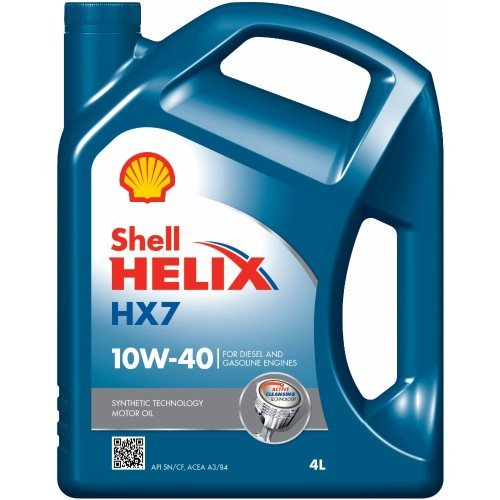
| Shell Helix HX7 10W-40 | |
|---|---|
| SAE 10W-40 | ✔ |
| ACEA A3/B3 | ✔ |
| ACEA A3/B4 | ✔ |
| API SN | ✔ |
| Fiat 9.55535-D2 | ❓ |
| MB-Approval 226.5 | ❓ |
| Renault RN0700 | ✔ |
| Renault RN0710 | ✔ |
| VW 501 01 | ❌ |
| VW 505 00 | ✔ |
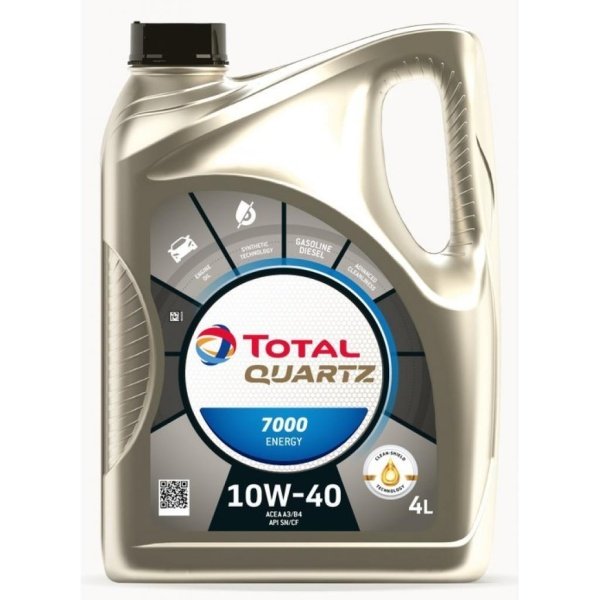
| Total Quartz 7000 10W-40 | |
|---|---|
| SAE 10W-40 | ✔ |
| ACEA A3/B3 | ❓ |
| ACEA A3/B4 | ✔ |
| API SN | ✔ |
| Fiat 9.55535-D2 | ❌ |
| MB-Approval 226.5 | ❓ |
| Renault RN0700 | ❌ |
| Renault RN0710 | ❌ |
| VW 501 01 | ✔ |
| VW 505 00 | ✔ |
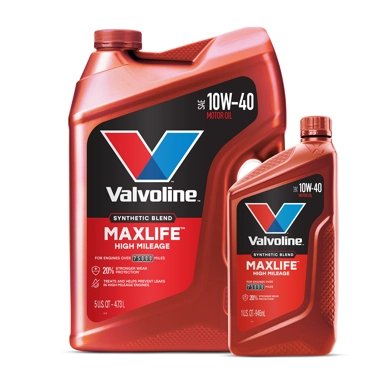
| Valvoline MaxLife 10W-40 | |
|---|---|
| SAE 10W-40 | ✔ |
| ACEA A3/B3 | ❓ |
| ACEA A3/B4 | ✔ |
| API SN | ✔ |
| Fiat 9.55535-D2 | ✔ |
| MB-Approval 226.5 | ❓ |
| Renault RN0700 | ✔ |
| Renault RN0710 | ✔ |
| VW 501 01 | ❌ |
| VW 505 00 | ✔ |
Oil specification key
✔ – Meets the required specification
❓ – Not explicitly stated (use caution; check your vehicle manual)
❌ – Does not meet required specification. Use may cause engine issues.
✔ – Meets the required specification
❓ – Not explicitly stated (use caution; check your vehicle manual)
❌ – Does not meet required specification. Use may cause engine issues.
As an Amazon Associate, we may earn from qualifying purchases.
Answer generated by AI.
Oil specifications for E13S engine
NO INFO -
Most common problems, symptoms & fixes for the E13S engine.
Engine E13S
Symptoms:
- Rough idling and stalling during low RPMs
- Reduced engine power and poor acceleration
- Excessive fuel consumption
- Engine misfires or hesitation
- Difficulty starting the engine, especially when cold
Diagnosis:
- Check for vacuum leaks around intake manifold and hoses, as these can cause rough idling and stalling.
- Inspect spark plugs and ignition components for wear or fouling, which lead to misfires.
- Test the carburetor or fuel injection system for proper fuel delivery and adjustment.
- Examine the timing belt condition and timing settings; incorrect timing causes poor performance.
- Look for clogged air filters restricting airflow.
- Verify the condition of engine sensors (if applicable) and wiring for electrical faults.
Fixes:
- Replace worn or fouled spark plugs and ignition wires.
- Repair or replace cracked or leaking vacuum hoses.
- Clean, rebuild, or adjust the carburetor to ensure correct fuel mixture.
- Replace the timing belt if worn and reset ignition timing to factory specifications.
- Change the air filter regularly to maintain airflow.
- Clean fuel injectors or replace fuel filters to improve fuel delivery.
- Address any electrical issues by repairing wiring or replacing faulty sensors.
Prevention:
- Perform regular maintenance including timely spark plug replacement and ignition system checks.
- Replace air and fuel filters according to the manufacturer’s schedule.
- Inspect and replace vacuum hoses periodically to prevent leaks.
- Change the timing belt at recommended intervals to avoid engine damage.
- Use quality fuel and keep the carburetor or fuel injection system clean.
- Store the vehicle in a dry environment to prevent corrosion of electrical components.
- Regularly monitor engine performance and address issues early to avoid major repairs.
Symptoms:
- Rough idling and stalling during low RPMs
- Reduced engine power and poor acceleration
- Excessive fuel consumption
- Engine misfires or hesitation
- Difficulty starting the engine, especially when cold
Diagnosis:
- Check for vacuum leaks around intake manifold and hoses, as these can cause rough idling and stalling.
- Inspect spark plugs and ignition components for wear or fouling, which lead to misfires.
- Test the carburetor or fuel injection system for proper fuel delivery and adjustment.
- Examine the timing belt condition and timing settings; incorrect timing causes poor performance.
- Look for clogged air filters restricting airflow.
- Verify the condition of engine sensors (if applicable) and wiring for electrical faults.
Fixes:
- Replace worn or fouled spark plugs and ignition wires.
- Repair or replace cracked or leaking vacuum hoses.
- Clean, rebuild, or adjust the carburetor to ensure correct fuel mixture.
- Replace the timing belt if worn and reset ignition timing to factory specifications.
- Change the air filter regularly to maintain airflow.
- Clean fuel injectors or replace fuel filters to improve fuel delivery.
- Address any electrical issues by repairing wiring or replacing faulty sensors.
Prevention:
- Perform regular maintenance including timely spark plug replacement and ignition system checks.
- Replace air and fuel filters according to the manufacturer’s schedule.
- Inspect and replace vacuum hoses periodically to prevent leaks.
- Change the timing belt at recommended intervals to avoid engine damage.
- Use quality fuel and keep the carburetor or fuel injection system clean.
- Store the vehicle in a dry environment to prevent corrosion of electrical components.
- Regularly monitor engine performance and address issues early to avoid major repairs.