Engine code
Vehicles using DW10FDU engine list:
Which cars use the DW10FDU engine and what oil to use. Common DW10FDU engine faults, symptoms, diagnosis, prevention and repair.
- PEUGEOT - Traveller 2.0 BlueHDI 150 (110kW) 2018–2021
- PEUGEOT - Traveller 2.0 BlueHDI 150 DANGEL 4x4 (110kW) 2018–2021
- TOYOTA - Proace Verso 2.0 D-4D DANGEL 4x4 (110kW) 2018–2022
Recommended oil for engine DW10FDU engine.
Ask AI about any Engine code
Questions strictly about engine codes (brand/model/engine type/production years).
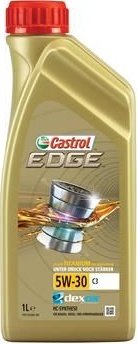
| Castrol EDGE 5W-30 C3 | |
|---|---|
| ACEA C3 | ✔ |
| API SN/CF | ✔ |
| VW 505.00 / 505.01 | ✔ |
| MB 229.31 / 229.51 | ✔ |
| Dexos2 | ✔ |
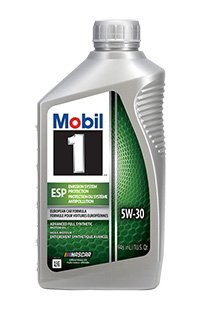
| Mobil 1 ESP Formula 5W-30 | |
|---|---|
| ACEA C3 | ✔ |
| API SN/CF | ✔ |
| VW 505.00 / 505.01 | ✔ |
| MB 229.31 / 229.51 | ✔ |
| GM dexos2 | ✔ |
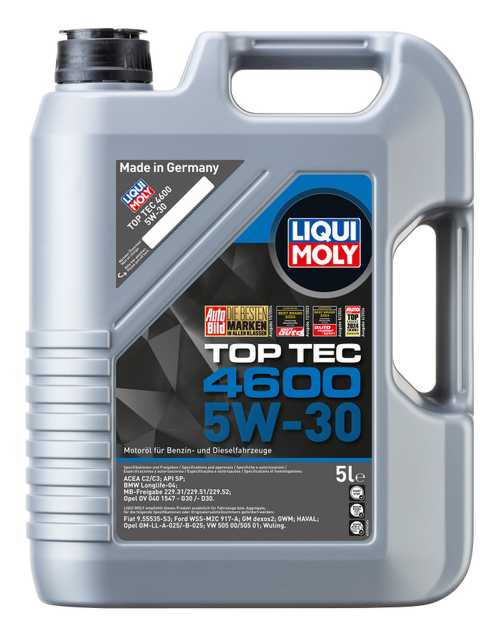
| Liqui Moly Top Tec 4600 5W-30 | |
|---|---|
| ACEA C3 | ✔ |
| API SN/CF | ✔ |
| VW 505.00 / 505.01 | ✔ |
| MB 229.31 / 229.51 | ✔ |
| GM dexos2 | ✔ |
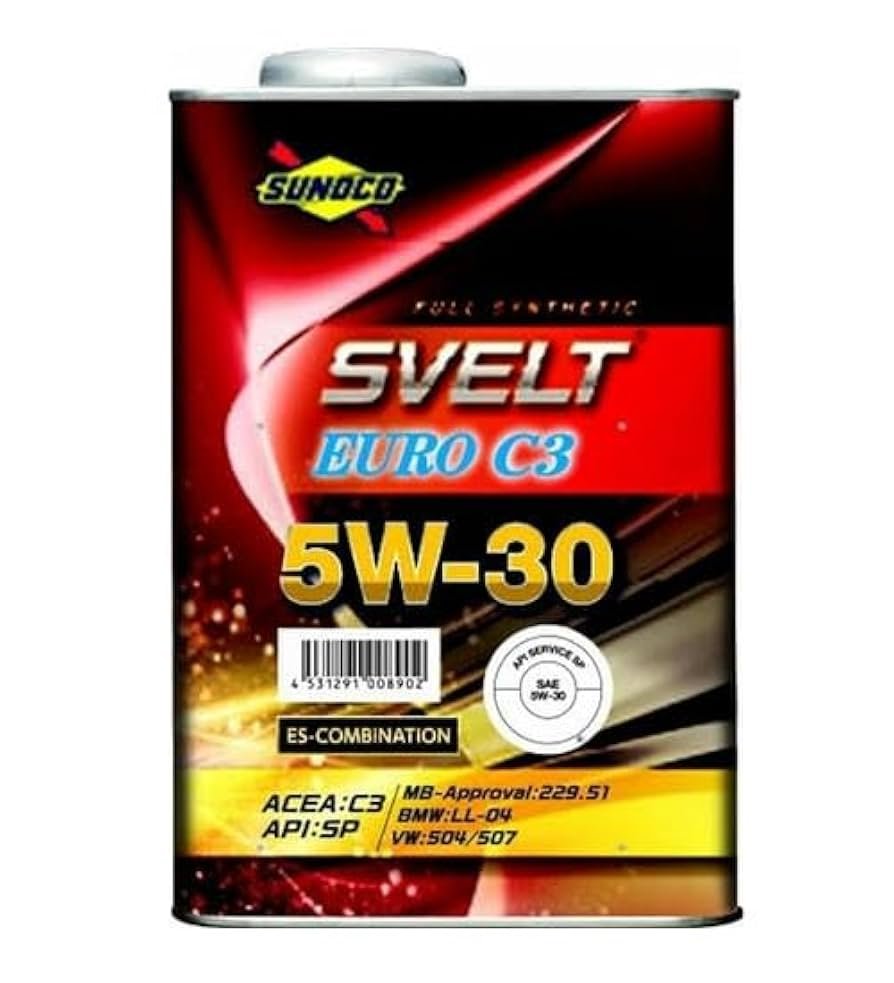
| Sunoco Ultra Full Synthetic Euro 5W-30 | |
|---|---|
| ACEA C3 | ✔ |
| API SN/CF | ✔ |
| VW 505.00 / 505.01 | ✔ |
| MB 229.31 / 229.51 | ✔ |
| GM dexos2 | ✔ |
Oil specification key
✔ – Meets the required specification
❓ – Not explicitly stated (use caution; check your vehicle manual)
❌ – Does not meet required specification. Use may cause engine issues.
✔ – Meets the required specification
❓ – Not explicitly stated (use caution; check your vehicle manual)
❌ – Does not meet required specification. Use may cause engine issues.
As an Amazon Associate, we may earn from qualifying purchases.
Answer generated by AI.
Oil specifications for DW10FDU engine
ACEA C2
ACEA C3
API SN
VW 507.00
RN0720
PSA B71 2290
Most common problems, symptoms & fixes for the DW10FDU engine.
Engine DW10FDU
Symptoms:
- Loss of power and reduced engine performance
- Excessive smoke from the exhaust, particularly black or blue smoke
- Engine warning light illumination on the dashboard
- Rough idling or stalling during operation
- Unusual noises such as knocking or rattling from the engine bay
Diagnosis:
- Check for clogged or faulty diesel particulate filter (DPF), common in BlueHDI engines
- Inspect turbocharger for wear or damage causing boost loss
- Examine EGR (Exhaust Gas Recirculation) valve for carbon buildup or malfunction
- Perform fuel system diagnostics to detect injector issues or fuel pump faults
- Scan engine control unit (ECU) for stored fault codes related to sensors or emission control systems
Fixes:
- Clean or replace the diesel particulate filter if clogged to restore proper exhaust flow
- Repair or replace the turbocharger if boost pressure is insufficient or if mechanical failure is detected
- Clean or replace the EGR valve to prevent recirculation issues and improve combustion efficiency
- Service fuel injectors and fuel pump to ensure correct fuel delivery and pressure
- Update or reprogram ECU software if necessary to address known engine management issues
Prevention:
- Use high-quality diesel fuel and perform regular fuel system maintenance to avoid injector and pump problems
- Follow manufacturer-recommended oil change intervals using specified engine oil to protect turbocharger and engine internals
- Avoid frequent short trips that prevent DPF regeneration; allow engine to reach operating temperature regularly
- Periodically inspect and clean EGR valve and intake system to reduce carbon buildup
- Monitor dashboard warning lights promptly and address issues early to prevent severe engine damage
Symptoms:
- Loss of power and reduced engine performance
- Excessive smoke from the exhaust, particularly black or blue smoke
- Engine warning light illumination on the dashboard
- Rough idling or stalling during operation
- Unusual noises such as knocking or rattling from the engine bay
Diagnosis:
- Check for clogged or faulty diesel particulate filter (DPF), common in BlueHDI engines
- Inspect turbocharger for wear or damage causing boost loss
- Examine EGR (Exhaust Gas Recirculation) valve for carbon buildup or malfunction
- Perform fuel system diagnostics to detect injector issues or fuel pump faults
- Scan engine control unit (ECU) for stored fault codes related to sensors or emission control systems
Fixes:
- Clean or replace the diesel particulate filter if clogged to restore proper exhaust flow
- Repair or replace the turbocharger if boost pressure is insufficient or if mechanical failure is detected
- Clean or replace the EGR valve to prevent recirculation issues and improve combustion efficiency
- Service fuel injectors and fuel pump to ensure correct fuel delivery and pressure
- Update or reprogram ECU software if necessary to address known engine management issues
Prevention:
- Use high-quality diesel fuel and perform regular fuel system maintenance to avoid injector and pump problems
- Follow manufacturer-recommended oil change intervals using specified engine oil to protect turbocharger and engine internals
- Avoid frequent short trips that prevent DPF regeneration; allow engine to reach operating temperature regularly
- Periodically inspect and clean EGR valve and intake system to reduce carbon buildup
- Monitor dashboard warning lights promptly and address issues early to prevent severe engine damage