Vehicles using DPBA engine list:
- SEAT - León 1.5 TSI PF (96kW) 2018–2020
- SEAT - León 1.5 TSI PF (96kW) 2019–2020
- SEAT - León 1.5 TSI PF (96kW) 2020–2025
- VW - Golf VIII 1.5 TSI PF (96kW) 2019–2020
- VW - Golf VII 1.5 TSI PF (96kW) 2019–2020
- VW - Golf VII Variant 1.5 TSI PF (96kW) 2019–2020
- VW - Golf Sportsvan 1.5 TSI PF (96kW) 2019–2020
- VW - Golf VIII 1.5 TSI PF (96kW) 2020–2024
- VW - Golf VIII Variant 1.5 TSI PF (96kW) 2020–2025
- VW - Golf VIII 1.5 eTSI PF (96kW) 2020–2024
- VW - Golf VIII Variant 1.5 eTSI PF (96kW) 2020–2024
Recommended oil for engine DPBA engine.
Ask AI about any Engine code
Questions strictly about engine codes (brand/model/engine type/production years).

| Castrol EDGE 0W‑20 LL IV | |
|---|---|
| ACEA C5/C6 | ✔️ |
| VW 508 00/509 00 | ✔️ |
| Porsche C20 | ✔️ |
| BMW LL‑17 FE+ | ✔️ |
| MB 229.71/229.72 | ✔️ |
| Ford WSS‑M2C956‑A1 | ✔️ |
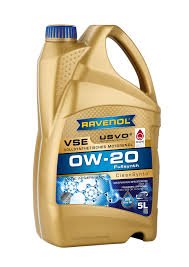
| RAVENOL VSE 0W-20 | |
|---|---|
| ACEA C5 / C6 | ✔️ |
| VW 508 00/509 00 | ✔️ |
| Porsche C20 | ✔️ |
| BMW LL‑17 FE+ | ❌ |
| MB 229.71 / 229.72 | ❌ |
| Ford WSS‑M2C956‑A1 | ✔️ |
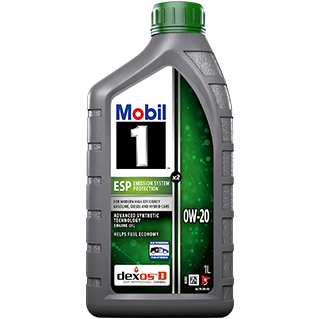
| Mobil 1 ESP x2 0W‑20 | |
|---|---|
| ACEA C5/C6 | ✔️ |
| VW 508 00/509 00 | ✔️ |
| Porsche C20 | ✔️ |
| MB 229.71 | ✔️ |
| Ford WSS‑M2C956‑A1 | ✔️ |
| GM dexosD | ✔️ |
| BMW LL‑17 FE+ | ❌ |

| Liqui Moly Top Tec 6200 0W‑20 | |
|---|---|
| ACEA C5 | ❓ |
| VW 508 00/509 00 | ✔️ |
| Porsche C20 | ✔️ |
| Ford WSS‑M2C956‑A1 | ✔️ |
| BMW LL‑17 FE+ | ❌ |
| MB 229.71 / 229.72 | ❌ |
Oil specification key
✔️ – Meets the required specification
❓ – Not explicitly stated (use caution; check your vehicle manual)
❌ – Does not meet required specification. Use may cause engine issues.
✔️ – Meets the required specification
❓ – Not explicitly stated (use caution; check your vehicle manual)
❌ – Does not meet required specification. Use may cause engine issues.
Answer generated by AI.
Oil specifications for DPBA engine
SAE 0W-20
ACEA C2
VW 508.00
VW 509.00
BMW Longlife-17 FE+
Most common problems, symptoms & fixes for the DPBA engine.
Engine DPBA
Symptoms:
- Rough idling and occasional stalling
- Loss of power or hesitation during acceleration
- Increased fuel consumption
- Check Engine Light (CEL) illumination with related fault codes
- Unusual engine noises or vibrations
Diagnosis:
- Perform a thorough OBD-II scan to identify specific fault codes related to ignition, fuel injection, or emission systems.
- Inspect the ignition coils and spark plugs for wear or damage, as misfires are common in this engine.
- Check the intake manifold and PCV system for leaks or blockages that can cause rough running.
- Examine the turbocharger and associated hoses for leaks or damage affecting boost pressure.
- Verify the condition and operation of the variable valve timing system, as faults here can impact performance.
- Inspect the fuel injectors for clogging or malfunction.
- Conduct a compression test to rule out mechanical wear or damage.
Fixes:
- Replace faulty ignition coils and worn spark plugs to restore proper combustion.
- Repair or replace damaged intake manifold gaskets or PCV valves to eliminate vacuum leaks.
- Fix turbocharger leaks by replacing hoses or seals as necessary.
- Service or replace malfunctioning variable valve timing components.
- Clean or replace clogged fuel injectors to ensure optimal fuel delivery.
- Address any mechanical issues found during compression testing, such as worn piston rings or valves.
- Reset the ECU after repairs and perform a test drive to confirm resolution.
Prevention:
- Adhere to the manufacturer’s recommended maintenance schedule, including timely spark plug and air filter changes.
- Use high-quality fuel and engine oil to reduce deposit formation and wear.
- Regularly inspect and maintain the PCV system and intake components to prevent leaks.
- Avoid aggressive driving styles that can stress the turbocharger and engine components.
- Keep software updated via dealer recalls or service campaigns to ensure optimal engine management.
- Monitor engine performance and address minor issues promptly to prevent escalation.
By following these diagnostic and maintenance guidelines, owners of vehicles equipped with the DPBA engine can minimize common issues and maintain reliable performance.
Symptoms:
- Rough idling and occasional stalling
- Loss of power or hesitation during acceleration
- Increased fuel consumption
- Check Engine Light (CEL) illumination with related fault codes
- Unusual engine noises or vibrations
Diagnosis:
- Perform a thorough OBD-II scan to identify specific fault codes related to ignition, fuel injection, or emission systems.
- Inspect the ignition coils and spark plugs for wear or damage, as misfires are common in this engine.
- Check the intake manifold and PCV system for leaks or blockages that can cause rough running.
- Examine the turbocharger and associated hoses for leaks or damage affecting boost pressure.
- Verify the condition and operation of the variable valve timing system, as faults here can impact performance.
- Inspect the fuel injectors for clogging or malfunction.
- Conduct a compression test to rule out mechanical wear or damage.
Fixes:
- Replace faulty ignition coils and worn spark plugs to restore proper combustion.
- Repair or replace damaged intake manifold gaskets or PCV valves to eliminate vacuum leaks.
- Fix turbocharger leaks by replacing hoses or seals as necessary.
- Service or replace malfunctioning variable valve timing components.
- Clean or replace clogged fuel injectors to ensure optimal fuel delivery.
- Address any mechanical issues found during compression testing, such as worn piston rings or valves.
- Reset the ECU after repairs and perform a test drive to confirm resolution.
Prevention:
- Adhere to the manufacturer’s recommended maintenance schedule, including timely spark plug and air filter changes.
- Use high-quality fuel and engine oil to reduce deposit formation and wear.
- Regularly inspect and maintain the PCV system and intake components to prevent leaks.
- Avoid aggressive driving styles that can stress the turbocharger and engine components.
- Keep software updated via dealer recalls or service campaigns to ensure optimal engine management.
- Monitor engine performance and address minor issues promptly to prevent escalation.
By following these diagnostic and maintenance guidelines, owners of vehicles equipped with the DPBA engine can minimize common issues and maintain reliable performance.