Engine code
Vehicles using D16DTH LVL engine list:
Which cars use the D16DTH LVL engine and what oil to use. Common D16DTH LVL engine faults, symptoms, diagnosis, prevention and repair.
- OPEL - Mokka X 1.6 CDTI 4x4 (100kW) 2018–2019
- OPEL - Zafira C 1.6 CDTI (100kW) 2018–2019
- VAUXHALL - Zafira C 1.6 CDTI (100kW) 2018–2019
- VAUXHALL - Mokka X 1.6 CDTI 4x4 (100kW) 2018–2019
Recommended oil for engine D16DTH LVL engine.
Ask AI about any Engine code
Questions strictly about engine codes (brand/model/engine type/production years).
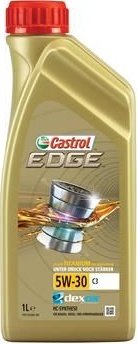
| Castrol EDGE 5W-30 C3 | |
|---|---|
| ACEA C3 | ✔ |
| API SN/CF | ✔ |
| VW 505.00 / 505.01 | ✔ |
| MB 229.31 / 229.51 | ✔ |
| Dexos2 | ✔ |
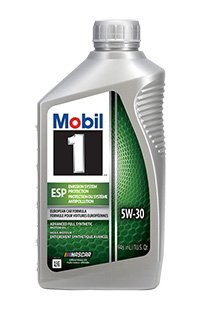
| Mobil 1 ESP Formula 5W-30 | |
|---|---|
| ACEA C3 | ✔ |
| API SN/CF | ✔ |
| VW 505.00 / 505.01 | ✔ |
| MB 229.31 / 229.51 | ✔ |
| GM dexos2 | ✔ |
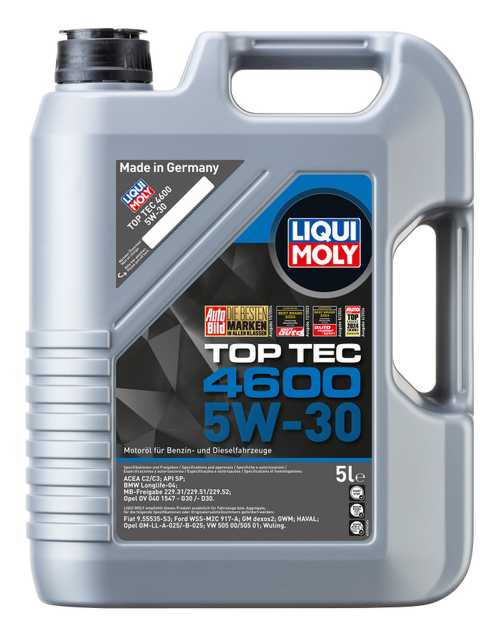
| Liqui Moly Top Tec 4600 5W-30 | |
|---|---|
| ACEA C3 | ✔ |
| API SN/CF | ✔ |
| VW 505.00 / 505.01 | ✔ |
| MB 229.31 / 229.51 | ✔ |
| GM dexos2 | ✔ |
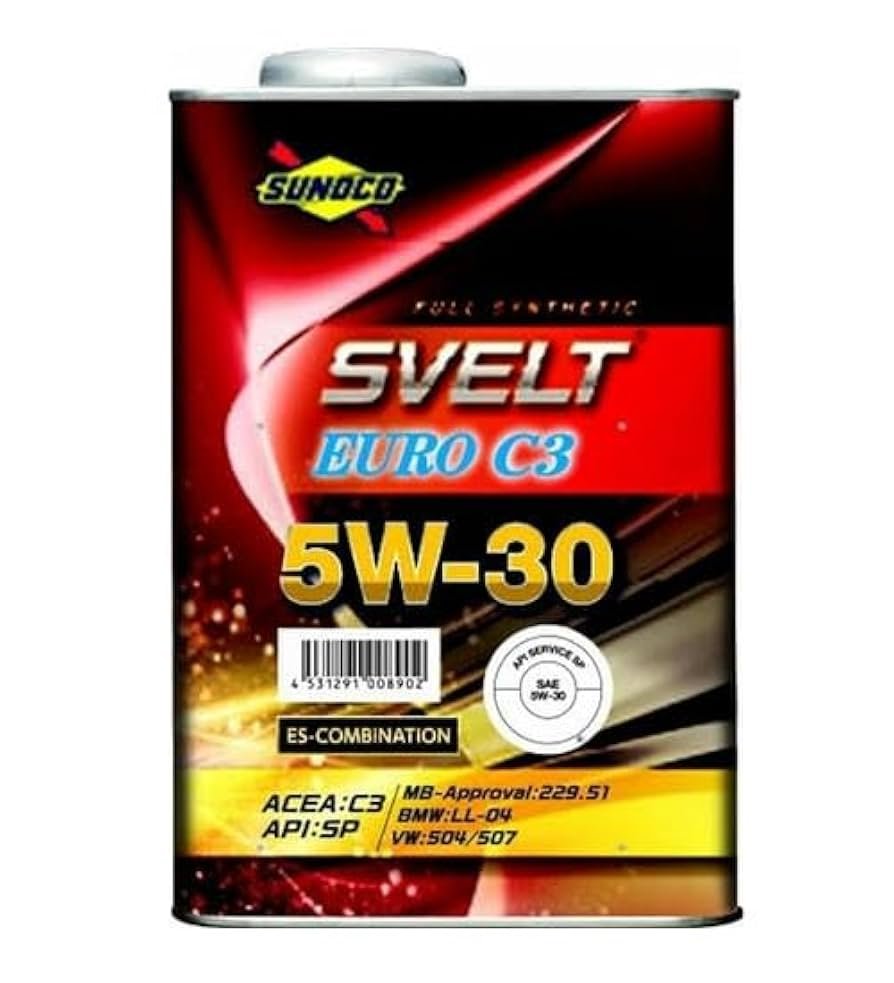
| Sunoco Ultra Full Synthetic Euro 5W-30 | |
|---|---|
| ACEA C3 | ✔ |
| API SN/CF | ✔ |
| VW 505.00 / 505.01 | ✔ |
| MB 229.31 / 229.51 | ✔ |
| GM dexos2 | ✔ |
Oil specification key
✔ – Meets the required specification
❓ – Not explicitly stated (use caution; check your vehicle manual)
❌ – Does not meet required specification. Use may cause engine issues.
✔ – Meets the required specification
❓ – Not explicitly stated (use caution; check your vehicle manual)
❌ – Does not meet required specification. Use may cause engine issues.
As an Amazon Associate, we may earn from qualifying purchases.
Answer generated by AI.
Oil specifications for D16DTH LVL engine
SAE 5W-30
ACEA C3
API SN
VW 504.00
VW 507.00
MB 229.51
Most common problems, symptoms & fixes for the D16DTH LVL engine.
Engine D16DTH LVL
Symptoms:
- Rough idling and loss of power during acceleration.
- Increased fuel consumption and occasional stalling.
- Warning lights on the dashboard, such as the check engine light.
- Unusual noises from the engine, including knocking or ticking sounds.
Diagnosis:
- Inspect the turbocharger for signs of wear or failure, as this engine relies heavily on turbocharging.
- Check the diesel particulate filter (DPF) for clogging, which can cause performance issues.
- Perform a compression test to assess the condition of the pistons and valves.
- Scan the engine control unit (ECU) for fault codes related to fuel injection, turbo boost pressure, or sensor malfunctions.
- Examine the timing chain and tensioner for wear, as timing issues can lead to engine misfires.
Fixes:
- Replace or repair the turbocharger if found faulty to restore proper boost pressure.
- Clean or replace the DPF to ensure efficient exhaust flow and emissions control.
- Repair or replace faulty fuel injectors to maintain optimal fuel delivery.
- Replace worn timing chain components to prevent engine timing errors.
- Address any sensor faults by replacing defective sensors such as the mass airflow sensor or oxygen sensors.
- Regular oil changes with manufacturer-recommended oil to protect engine components and turbocharger.
Prevention:
- Adhere strictly to the recommended maintenance schedule, including timely oil and filter changes.
- Use high-quality diesel fuel to prevent injector clogging and maintain combustion efficiency.
- Avoid frequent short trips that prevent the DPF from reaching regeneration temperature.
- Monitor and address any dashboard warnings promptly to prevent escalation of issues.
- Periodically inspect the turbocharger and related components for early signs of wear.
- Ensure proper engine warm-up before heavy acceleration to reduce stress on engine parts.
Symptoms:
- Rough idling and loss of power during acceleration.
- Increased fuel consumption and occasional stalling.
- Warning lights on the dashboard, such as the check engine light.
- Unusual noises from the engine, including knocking or ticking sounds.
Diagnosis:
- Inspect the turbocharger for signs of wear or failure, as this engine relies heavily on turbocharging.
- Check the diesel particulate filter (DPF) for clogging, which can cause performance issues.
- Perform a compression test to assess the condition of the pistons and valves.
- Scan the engine control unit (ECU) for fault codes related to fuel injection, turbo boost pressure, or sensor malfunctions.
- Examine the timing chain and tensioner for wear, as timing issues can lead to engine misfires.
Fixes:
- Replace or repair the turbocharger if found faulty to restore proper boost pressure.
- Clean or replace the DPF to ensure efficient exhaust flow and emissions control.
- Repair or replace faulty fuel injectors to maintain optimal fuel delivery.
- Replace worn timing chain components to prevent engine timing errors.
- Address any sensor faults by replacing defective sensors such as the mass airflow sensor or oxygen sensors.
- Regular oil changes with manufacturer-recommended oil to protect engine components and turbocharger.
Prevention:
- Adhere strictly to the recommended maintenance schedule, including timely oil and filter changes.
- Use high-quality diesel fuel to prevent injector clogging and maintain combustion efficiency.
- Avoid frequent short trips that prevent the DPF from reaching regeneration temperature.
- Monitor and address any dashboard warnings promptly to prevent escalation of issues.
- Periodically inspect the turbocharger and related components for early signs of wear.
- Ensure proper engine warm-up before heavy acceleration to reduce stress on engine parts.