Engine code
Vehicles using CVKB engine list:
Which cars use the CVKB engine and what oil to use. Common CVKB engine faults, symptoms, diagnosis, prevention and repair.
- AUDI - A4 2.0 TFSI (140kW) 2015–2017
- AUDI - A5 2.0 TFSI (140kW) 2016–2017
- AUDI - A5 Cabriolet 2.0 TFSI (140kW) 2017–2019
Recommended oil for engine CVKB engine.
Ask AI about any Engine code
Questions strictly about engine codes (brand/model/engine type/production years).

| Castrol EDGE 0W-20 LL IV | |
|---|---|
| ACEA C5/C6 | ✔️ |
| VW 508 00/509 00 | ✔️ |
| Porsche C20 | ✔️ |
| BMW LL-17 FE+ | ✔️ |
| MB 229.71/229.72 | ✔️ |
| Ford WSS-M2C956-A1 | ✔️ |
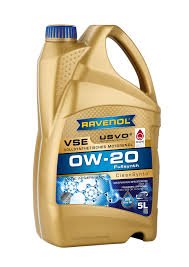
| RAVENOL VSE 0W-20 | |
|---|---|
| ACEA C5 / C6 | ✔️ |
| VW 508 00/509 00 | ✔️ |
| Porsche C20 | ✔️ |
| BMW LL-17 FE+ | ❌ |
| MB 229.71 / 229.72 | ❌ |
| Ford WSS-M2C956-A1 | ✔️ |
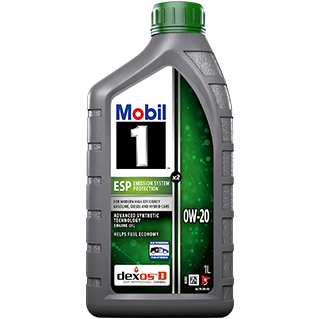
| Mobil 1 ESP x2 0W-20 | |
|---|---|
| ACEA C5/C6 | ✔️ |
| VW 508 00/509 00 | ✔️ |
| Porsche C20 | ✔️ |
| MB 229.71 | ✔️ |
| Ford WSS-M2C956-A1 | ✔️ |
| GM dexosD | ✔️ |
| BMW LL-17 FE+ | ❌ |

| Liqui Moly Top Tec 6200 0W-20 | |
|---|---|
| ACEA C5 | ❓ |
| VW 508 00/509 00 | ✔️ |
| Porsche C20 | ✔️ |
| Ford WSS-M2C956-A1 | ✔️ |
| BMW LL-17 FE+ | ❌ |
| MB 229.71 / 229.72 | ❌ |
Oil specification key
✔️ – Meets the required specification
❓ – Not explicitly stated (use caution; check your vehicle manual)
❌ – Does not meet required specification. Use may cause engine issues.
✔️ – Meets the required specification
❓ – Not explicitly stated (use caution; check your vehicle manual)
❌ – Does not meet required specification. Use may cause engine issues.
As an Amazon Associate, we may earn from qualifying purchases.
Answer generated by AI.
Oil specifications for CVKB engine
SAE 5W-30
ACEA C3
API SN
VW 504.00
VW 507.00
Most common problems, symptoms & fixes for the CVKB engine.
Engine CVKB commonly faces issues like carbon buildup on intake valves, turbocharger wear, and timing chain tensioner problems. For diagnosis, listen for unusual noises, check for rough idling, and scan for error codes related to misfires or turbo performance. Prevention includes using high-quality fuel, regular oil changes with manufacturer-recommended oil, and periodic intake cleaning to reduce carbon deposits. Solutions involve professional cleaning of intake valves, replacing worn turbochargers, and timely timing chain tensioner replacement to avoid engine damage. Regular maintenance and prompt attention to warning signs ensure longevity and optimal performance of the CVKB engine in the specified Audi models.