Engine code
Vehicles using B420T6 engine list:
Which cars use the B420T6 engine and what oil to use. Common B420T6 engine faults, symptoms, diagnosis, prevention and repair.
- VOLVO - V90 B4 Mild hybrid (145kW) 2020–2025
- VOLVO - XC40 B4 Mild Hybrid (145kW) 2020–2025
- VOLVO - XC40 B4 Mild hybrid AWD (145kW) 2020–2024
- VOLVO - XC60 B4 Petrol Mild hybrid (145kW) 2020–2024
- VOLVO - V60 B4 Mild Hybrid (145kW) 2020–2022
- VOLVO - S60 B4 Mild hybrid (145kW) 2020–2025
Recommended oil for engine B420T6 engine.
Ask AI about any Engine code
Questions strictly about engine codes (brand/model/engine type/production years).

| Castrol EDGE 0W-20 V | |
|---|---|
| ACEA C5 | ✔ |
| Volvo VCC RBS0-2AE | ✔ |
| API SP | ❌ |
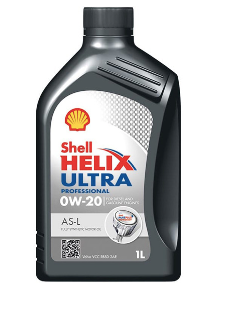
| Shell Helix Ultra Professional AS-L 0W-20 | |
|---|---|
| ACEA C5 | ✔ |
| Volvo VCC RBS0-2AE | ✔ |
| API SP | ❌ |

| Mobil Super 3000 Formula VC 0W-20 | |
|---|---|
| ACEA C5 | ✔ |
| Volvo VCC RBS0-2AE | ✔ |
| API SP | ✔ |

| Liqui Moly Special Tec V 0W-20 | |
|---|---|
| ACEA C5 | ✔ |
| Volvo VCC RBS0-2AE | ✔ |
| API SP | ✔ |
Oil specification key
✔ – Meets the required specification
❓ – Not explicitly stated (use caution; check your vehicle manual)
❌ – Does not meet required specification. Use may cause engine issues.
✔ – Meets the required specification
❓ – Not explicitly stated (use caution; check your vehicle manual)
❌ – Does not meet required specification. Use may cause engine issues.
As an Amazon Associate, we may earn from qualifying purchases.
Answer generated by AI.
Oil specifications for B420T6 engine
SAE 0W-20
ACEA C5
API SN Plus
Volvo VCC RBS0-2AE
Most common problems, symptoms & fixes for the B420T6 engine.
Engine B420T6
Symptoms:
- Rough idling or hesitation during acceleration
- Loss of power or reduced fuel efficiency
- Engine warning light illumination
- Unusual noises such as knocking or ticking
- Increased oil consumption or visible leaks
Diagnosis:
- Perform a thorough diagnostic scan to check for fault codes related to ignition, fuel injection, or turbocharger systems.
- Inspect ignition coils and spark plugs for wear or damage.
- Check turbocharger operation and boost pressure for abnormalities.
- Examine the fuel system, including injectors and fuel pump, for clogging or failure.
- Assess the condition of the PCV (Positive Crankcase Ventilation) system and oil separator for blockages.
- Inspect for oil leaks around valve cover gaskets and turbo seals.
- Verify the health of the mild hybrid system components, including the 48V battery and associated electronics.
Fixes:
- Replace faulty ignition coils and worn spark plugs to restore proper combustion.
- Clean or replace clogged fuel injectors and ensure fuel pump functionality.
- Repair or replace malfunctioning turbocharger components to regain boost pressure.
- Service or replace the PCV valve and oil separator to prevent oil leaks and pressure issues.
- Replace leaking gaskets and seals to stop oil loss.
- Update engine control software if manufacturer releases improvements addressing known issues.
- Address mild hybrid system faults by repairing or replacing battery modules or control units as needed.
Prevention:
- Adhere strictly to scheduled maintenance intervals, including oil and filter changes using manufacturer-recommended fluids.
- Use high-quality fuel to prevent injector clogging and maintain combustion efficiency.
- Regularly inspect ignition components and replace them proactively.
- Avoid prolonged idling and aggressive driving to reduce engine stress.
- Keep the cooling system in optimal condition to prevent overheating.
- Have the mild hybrid system checked during routine service to ensure battery health and electrical integrity.
-NO INFO-
Symptoms:
- Rough idling or hesitation during acceleration
- Loss of power or reduced fuel efficiency
- Engine warning light illumination
- Unusual noises such as knocking or ticking
- Increased oil consumption or visible leaks
Diagnosis:
- Perform a thorough diagnostic scan to check for fault codes related to ignition, fuel injection, or turbocharger systems.
- Inspect ignition coils and spark plugs for wear or damage.
- Check turbocharger operation and boost pressure for abnormalities.
- Examine the fuel system, including injectors and fuel pump, for clogging or failure.
- Assess the condition of the PCV (Positive Crankcase Ventilation) system and oil separator for blockages.
- Inspect for oil leaks around valve cover gaskets and turbo seals.
- Verify the health of the mild hybrid system components, including the 48V battery and associated electronics.
Fixes:
- Replace faulty ignition coils and worn spark plugs to restore proper combustion.
- Clean or replace clogged fuel injectors and ensure fuel pump functionality.
- Repair or replace malfunctioning turbocharger components to regain boost pressure.
- Service or replace the PCV valve and oil separator to prevent oil leaks and pressure issues.
- Replace leaking gaskets and seals to stop oil loss.
- Update engine control software if manufacturer releases improvements addressing known issues.
- Address mild hybrid system faults by repairing or replacing battery modules or control units as needed.
Prevention:
- Adhere strictly to scheduled maintenance intervals, including oil and filter changes using manufacturer-recommended fluids.
- Use high-quality fuel to prevent injector clogging and maintain combustion efficiency.
- Regularly inspect ignition components and replace them proactively.
- Avoid prolonged idling and aggressive driving to reduce engine stress.
- Keep the cooling system in optimal condition to prevent overheating.
- Have the mild hybrid system checked during routine service to ensure battery health and electrical integrity.
-NO INFO-