Engine code
Vehicles using B207R engine list:
Which cars use the B207R engine and what oil to use. Common B207R engine faults, symptoms, diagnosis, prevention and repair.
Ask AI about any Engine code
Questions strictly about engine codes (brand/model/engine type/production years).

| Castrol MAGNATEC 5W‑30 C3 | |
|---|---|
| SAE 5W‑30 | ✔ |
| ACEA C3 | ✔ |
| API SN/CF | ✔ |
| BMW Longlife‑04 | ✔ |
| MB‑Approval 226.5 / 229.31 / 229.51 / 229.52 | ✔ |
| Opel OV 0401547‑D30 / G30 | ✔ |
| Fiat 9.55535‑S3 | ✔ |
| Renault RN0700 / RN0710 | ✔ |
| VW 505.00 / 505.01 | ✔ |
| dexos2 | ✔ |

| Liqui‑Moly Chrome C3 5W‑30 | |
|---|---|
| SAE 5W‑30 | ✔ |
| ACEA C3 | ✔ |
| API SN/CF | ✔ |
| BMW Longlife‑04 | ❌ |
| MB‑Approval 226.5 / 229.31 / 229.51 / 229.52 | ✔ |
| Opel OV 0401547‑D30 / G30 | ✔ |
| Fiat 9.55535‑S3 | ✔ |
| Renault RN0700 / RN0710 | ✔ |
| VW 505.00 / 505.01 | ✔ |
| dexos2 | ✔ |

| Ridex Plus Active Energy C2/C3 5W‑30 | |
|---|---|
| SAE 5W‑30 | ✔ |
| ACEA C3 | ✔ |
| API SN/CF | ✔ |
| BMW Longlife‑04 | ✔ |
| MB‑Approval 226.5 / 229.31 / 229.51 / 229.52 | ✔ |
| Opel OV 0401547‑D30 / G30 | ✔ |
| Fiat 9.55535‑S3 | ❌ |
| Renault RN0700 / RN0710 | ✔ |
| VW 505.00 / 505.01 | ✔ |
| dexos2 | ✔ |
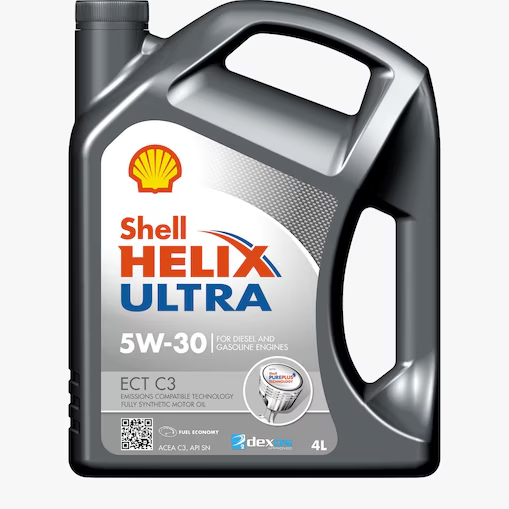
| Shell Helix Ultra ECT C3 5W‑30 | |
|---|---|
| SAE 5W‑30 | ✔ |
| ACEA C3 | ✔ |
| API SN/CF | ✔ |
| BMW Longlife‑04 | ✔ |
| MB‑Approval 226.5 / 229.31 / 229.51 / 229.52 | ✔ |
| Opel OV 0401547‑D30 / G30 | ✔ |
| Fiat 9.55535‑S3 | ✔ |
| Renault RN0700 / RN0710 | ✔ |
| VW 505.00 / 505.01 | ✔ |
| dexos2 | ❓ |
Oil specification key
✔ – Meets the required specification
❓ – Not explicitly stated (use caution; check your vehicle manual)
❌ – Does not meet required specification. Use may cause engine issues.
✔ – Meets the required specification
❓ – Not explicitly stated (use caution; check your vehicle manual)
❌ – Does not meet required specification. Use may cause engine issues.
As an Amazon Associate, we may earn from qualifying purchases.
Answer generated by AI.
Oil specifications for B207R engine
SAE 5W-30
ACEA A3/B4
API SL
VW 502.00
VW 505.00
Most common problems, symptoms & fixes for the B207R engine.
Engine B207R
Symptoms:
- Rough idling and misfires
- Loss of power and poor acceleration
- Excessive oil consumption or leaks
- Check engine light illumination
- Overheating or coolant loss
Diagnosis:
- Inspect ignition coils and spark plugs for wear or failure, common causes of misfires.
- Check for vacuum leaks around intake manifold and turbocharger hoses.
- Perform a compression test to assess cylinder health.
- Scan for fault codes related to turbocharger, fuel system, or emissions.
- Examine oil seals and gaskets for leaks, especially around the turbocharger and valve cover.
- Inspect the thermostat and coolant system for proper operation to prevent overheating.
Fixes:
- Replace faulty ignition coils and worn spark plugs to restore smooth running.
- Repair or replace cracked vacuum lines and intake hoses to eliminate leaks.
- Address oil leaks by replacing worn seals and gaskets; turbocharger oil seals are a frequent source.
- Clean or replace the EGR valve if clogged, improving emissions and performance.
- Service or replace the thermostat and flush the cooling system to maintain optimal engine temperature.
- If compression is low, investigate valve or piston ring wear; engine rebuild or replacement may be necessary.
- Regularly change engine oil and use manufacturer-recommended grades to protect turbocharger and engine internals.
Prevention:
- Adhere to scheduled maintenance intervals, especially oil and filter changes.
- Use high-quality fuel and oil to reduce deposit formation and wear.
- Avoid aggressive driving when the engine is cold to prevent premature wear.
- Regularly inspect hoses and seals for early signs of deterioration.
- Monitor coolant levels and engine temperature to prevent overheating damage.
- Keep the turbocharger system clean and free of debris to ensure longevity.
Following these guidelines helps maintain the B207R engine’s reliability and performance in the Saab 9-3 models listed.
Symptoms:
- Rough idling and misfires
- Loss of power and poor acceleration
- Excessive oil consumption or leaks
- Check engine light illumination
- Overheating or coolant loss
Diagnosis:
- Inspect ignition coils and spark plugs for wear or failure, common causes of misfires.
- Check for vacuum leaks around intake manifold and turbocharger hoses.
- Perform a compression test to assess cylinder health.
- Scan for fault codes related to turbocharger, fuel system, or emissions.
- Examine oil seals and gaskets for leaks, especially around the turbocharger and valve cover.
- Inspect the thermostat and coolant system for proper operation to prevent overheating.
Fixes:
- Replace faulty ignition coils and worn spark plugs to restore smooth running.
- Repair or replace cracked vacuum lines and intake hoses to eliminate leaks.
- Address oil leaks by replacing worn seals and gaskets; turbocharger oil seals are a frequent source.
- Clean or replace the EGR valve if clogged, improving emissions and performance.
- Service or replace the thermostat and flush the cooling system to maintain optimal engine temperature.
- If compression is low, investigate valve or piston ring wear; engine rebuild or replacement may be necessary.
- Regularly change engine oil and use manufacturer-recommended grades to protect turbocharger and engine internals.
Prevention:
- Adhere to scheduled maintenance intervals, especially oil and filter changes.
- Use high-quality fuel and oil to reduce deposit formation and wear.
- Avoid aggressive driving when the engine is cold to prevent premature wear.
- Regularly inspect hoses and seals for early signs of deterioration.
- Monitor coolant levels and engine temperature to prevent overheating damage.
- Keep the turbocharger system clean and free of debris to ensure longevity.
Following these guidelines helps maintain the B207R engine’s reliability and performance in the Saab 9-3 models listed.