Engine code
Vehicles using B204L engine list:
Which cars use the B204L engine and what oil to use. Common B204L engine faults, symptoms, diagnosis, prevention and repair.
- SAAB - 900 2.0 Turbo (136kW) 1993–1999
- SAAB - 900 2.0 Turbo Cabriolet (136kW) 1993–1999
- SAAB - 9-3 2.0 Turbo (136kW) 1998–2000
Recommended oil for engine B204L engine.
Ask AI about any Engine code
Questions strictly about engine codes (brand/model/engine type/production years).
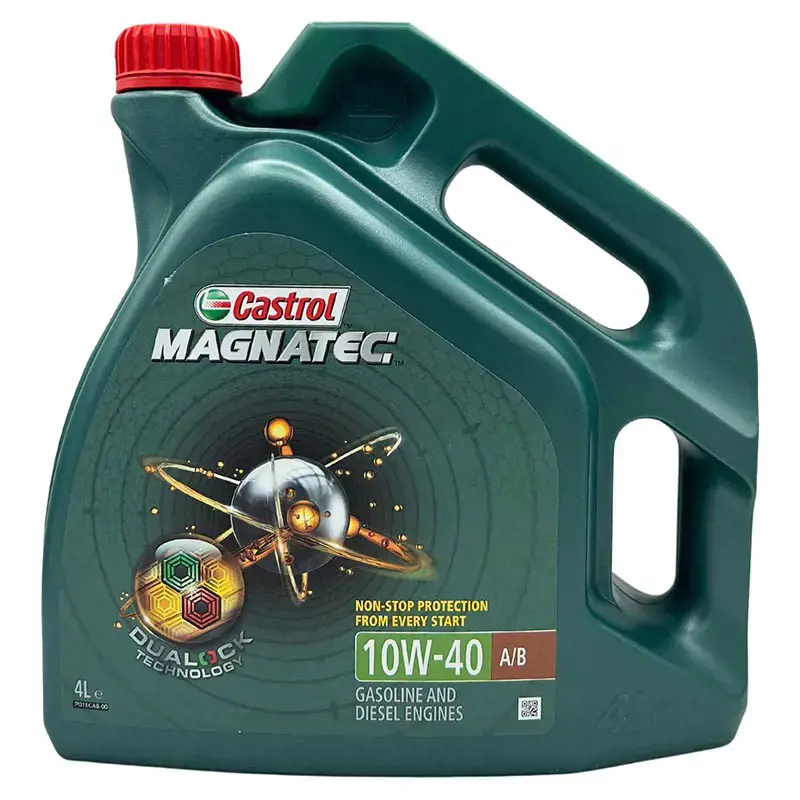
| Castrol MAGNATEC 10W‑40 A/B | |
|---|---|
| SAE 10W‑40 | ✔ |
| ACEA A3/B4 | ✔ |
| API SP | ✔ |
| MB‑Approval 226.5/229.3 | ✔ |
| Renault RN0700 / RN0710 | ✔ |
| VW 501 01 / 505 00 | ✔ |
| Fiat 9.55535‑D2 | ✔ |
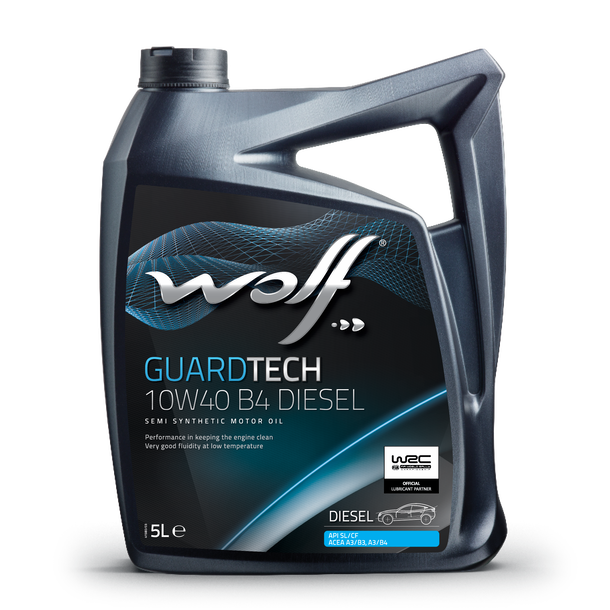
| Wolf GuardTech 10W‑40 B4 | |
|---|---|
| ACEA A3/B4 | ✔ |
| API SN | ✔ |
| MB‑Approval 229.1 | ❓ |
| Renault RN0700 / RN0710 | ✔ |
| VW 501 01 / 505 00 | ✔ |
| Fiat 9.55535‑D2 | ✔ |
| Champion Active Defence 10W‑40 B4 | |
|---|---|
| ACEA A3/B4 | ✔ |
| API SN | ✔ |
| MB‑Approval 229.1 | ❓ |
| Renault RN0700 / RN0710 | ✔ |
| VW 501 01 / 505 00 | ✔ |
| Fiat 9.55535‑D2 | ✔ |
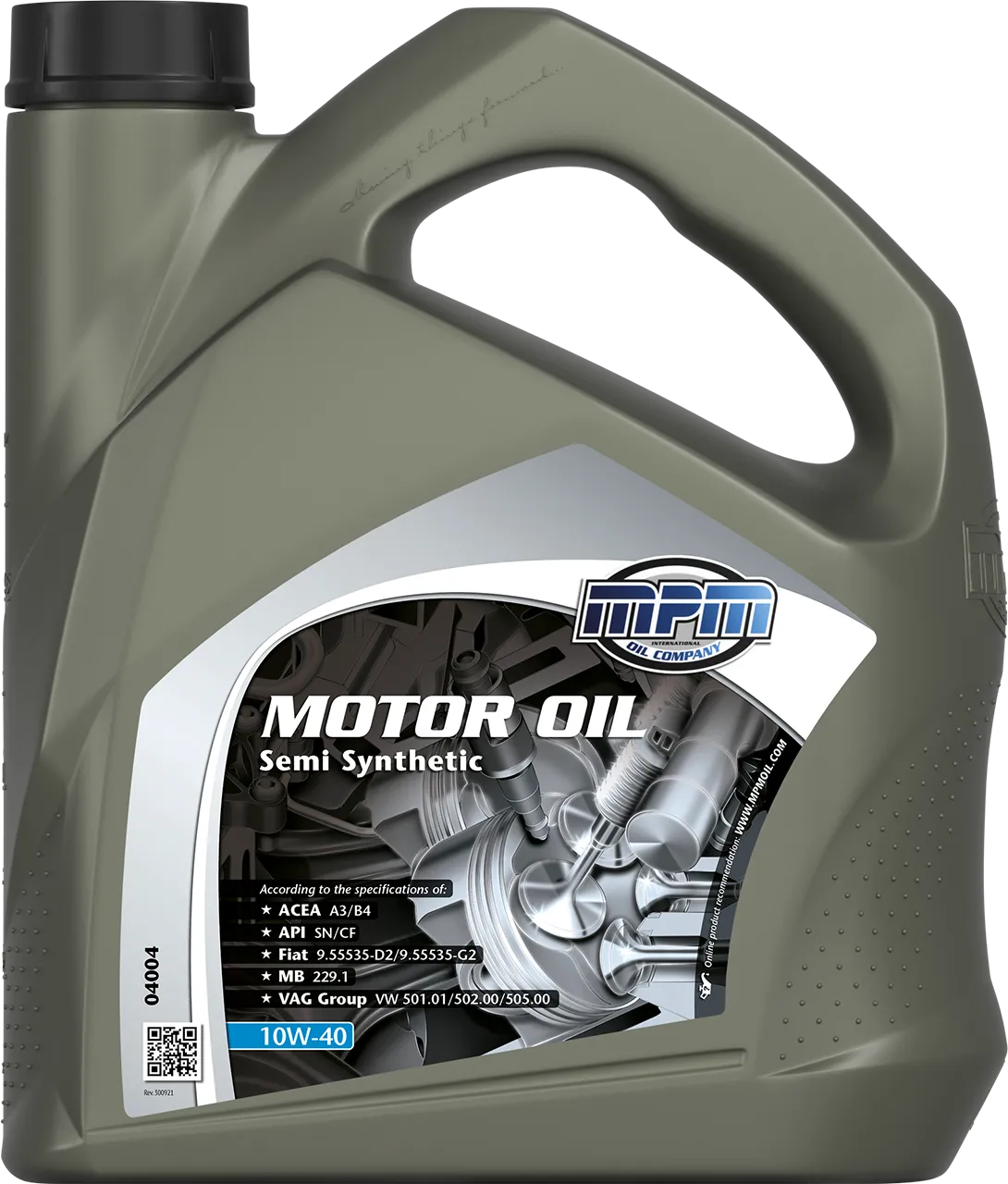
| MPM Part Synthetic 10W‑40 | |
|---|---|
| ACEA A3/B4 | ✔ |
| API SN/CF | ✔ |
| MB‑Approval 229.3 | ❓ |
| Renault RN0700 / RN0710 | ✔ |
| VW 501 01 / 505 00 | ✔ |
| Fiat 9.55535‑D2 | ✔ |
Oil specification key
✔ – Meets the required specification
❓ – Not explicitly stated (use caution; check your vehicle manual)
❌ – Does not meet required specification. Use may cause engine issues.
✔ – Meets the required specification
❓ – Not explicitly stated (use caution; check your vehicle manual)
❌ – Does not meet required specification. Use may cause engine issues.
As an Amazon Associate, we may earn from qualifying purchases.
Answer generated by AI.
Oil specifications for B204L engine
SAE 5W-30
ACEA A3/B3
ACEA A3/B4
API SL
API SM
VW 500.00
VW 501.01
VW 502.00
Most common problems, symptoms & fixes for the B204L engine.
Engine B204L
Symptoms:
- Loss of power or reduced turbo boost performance
- Rough idling or engine misfires
- Oil leaks around the valve cover or turbocharger area
- Overheating or coolant loss
- Check engine light illumination with related fault codes
Diagnosis:
- Inspect turbocharger for shaft play, oil leaks, and proper boost pressure
- Check for vacuum leaks in hoses and intercooler piping
- Perform compression test to assess cylinder health
- Examine ignition components (spark plugs, coils) for wear or fouling
- Inspect valve cover gasket and turbo oil lines for leaks
- Scan engine control unit (ECU) for stored fault codes related to sensors or emissions
Fixes:
- Replace worn or damaged turbocharger components or the entire turbo if necessary
- Repair or replace cracked or leaking vacuum hoses and intercooler pipes
- Change spark plugs and ignition coils as needed to restore smooth running
- Replace valve cover gasket and turbo oil feed/return lines to stop oil leaks
- Flush and refill coolant system to address overheating issues
- Clear ECU fault codes after repairs and perform test drive to confirm resolution
Prevention:
- Regularly change engine oil and use high-quality synthetic oil to protect turbo bearings
- Maintain cooling system with periodic coolant flushes and thermostat checks
- Inspect and replace vacuum hoses and intercooler pipes proactively to prevent leaks
- Use recommended spark plugs and replace them at specified intervals
- Avoid prolonged idling and aggressive driving to reduce turbo stress
- Monitor engine performance and address minor issues promptly before they escalate
Symptoms:
- Loss of power or reduced turbo boost performance
- Rough idling or engine misfires
- Oil leaks around the valve cover or turbocharger area
- Overheating or coolant loss
- Check engine light illumination with related fault codes
Diagnosis:
- Inspect turbocharger for shaft play, oil leaks, and proper boost pressure
- Check for vacuum leaks in hoses and intercooler piping
- Perform compression test to assess cylinder health
- Examine ignition components (spark plugs, coils) for wear or fouling
- Inspect valve cover gasket and turbo oil lines for leaks
- Scan engine control unit (ECU) for stored fault codes related to sensors or emissions
Fixes:
- Replace worn or damaged turbocharger components or the entire turbo if necessary
- Repair or replace cracked or leaking vacuum hoses and intercooler pipes
- Change spark plugs and ignition coils as needed to restore smooth running
- Replace valve cover gasket and turbo oil feed/return lines to stop oil leaks
- Flush and refill coolant system to address overheating issues
- Clear ECU fault codes after repairs and perform test drive to confirm resolution
Prevention:
- Regularly change engine oil and use high-quality synthetic oil to protect turbo bearings
- Maintain cooling system with periodic coolant flushes and thermostat checks
- Inspect and replace vacuum hoses and intercooler pipes proactively to prevent leaks
- Use recommended spark plugs and replace them at specified intervals
- Avoid prolonged idling and aggressive driving to reduce turbo stress
- Monitor engine performance and address minor issues promptly before they escalate