Engine code
Vehicles using B200FT engine list:
Which cars use the B200FT engine and what oil to use. Common B200FT engine faults, symptoms, diagnosis, prevention and repair.
Ask AI about any Engine code
Questions strictly about engine codes (brand/model/engine type/production years).
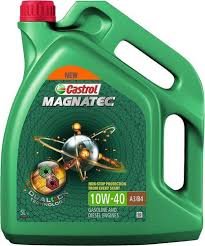
| Castrol MAGNATEC 10W-40 A3/B4 | |
|---|---|
| SAE 10W-40 | ✔ |
| ACEA A3/B3 | ✔ |
| ACEA A3/B4 | ✔ |
| API SN | ✔ |
| Fiat 9.55535-D2 | ✔ |
| MB-Approval 226.5 | ✔ |
| Renault RN0700 | ✔ |
| Renault RN0710 | ✔ |
| VW 501 01 | ✔ |
| VW 505 00 | ✔ |
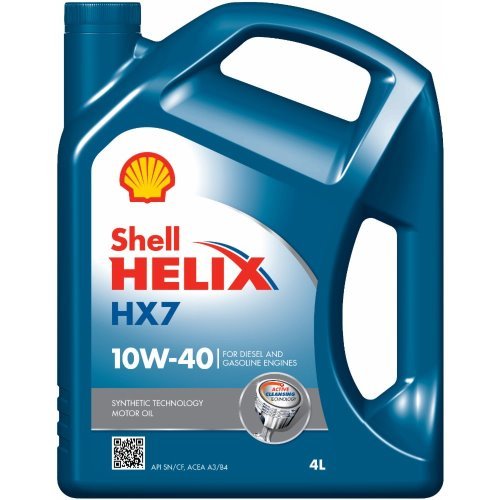
| Shell Helix HX7 10W-40 | |
|---|---|
| SAE 10W-40 | ✔ |
| ACEA A3/B3 | ✔ |
| ACEA A3/B4 | ✔ |
| API SN | ✔ |
| Fiat 9.55535-D2 | ❓ |
| MB-Approval 226.5 | ❓ |
| Renault RN0700 | ✔ |
| Renault RN0710 | ✔ |
| VW 501 01 | ❌ |
| VW 505 00 | ✔ |
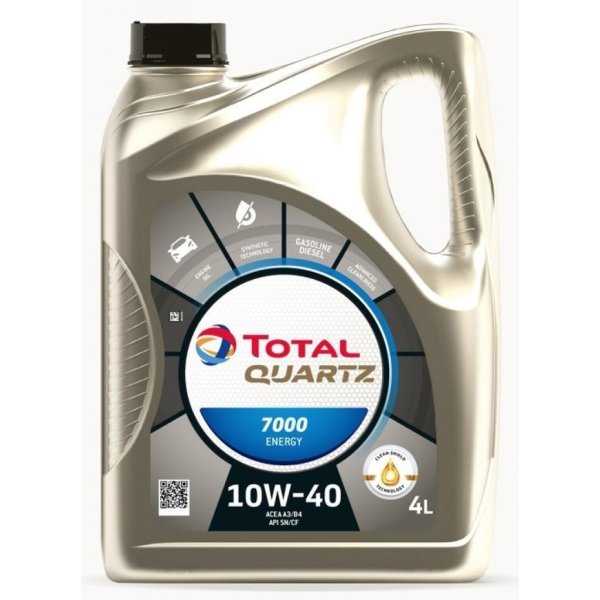
| Total Quartz 7000 10W-40 | |
|---|---|
| SAE 10W-40 | ✔ |
| ACEA A3/B3 | ❓ |
| ACEA A3/B4 | ✔ |
| API SN | ✔ |
| Fiat 9.55535-D2 | ❌ |
| MB-Approval 226.5 | ❓ |
| Renault RN0700 | ❌ |
| Renault RN0710 | ❌ |
| VW 501 01 | ✔ |
| VW 505 00 | ✔ |
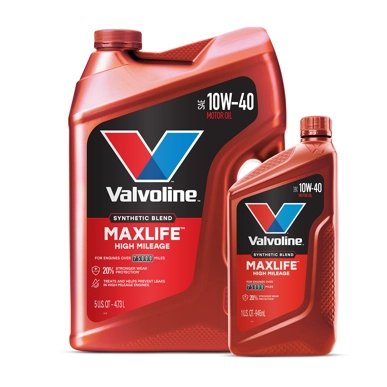
| Valvoline MaxLife 10W-40 | |
|---|---|
| SAE 10W-40 | ✔ |
| ACEA A3/B3 | ❓ |
| ACEA A3/B4 | ✔ |
| API SN | ✔ |
| Fiat 9.55535-D2 | ✔ |
| MB-Approval 226.5 | ❓ |
| Renault RN0700 | ✔ |
| Renault RN0710 | ✔ |
| VW 501 01 | ❌ |
| VW 505 00 | ✔ |
Oil specification key
✔ – Meets the required specification
❓ – Not explicitly stated (use caution; check your vehicle manual)
❌ – Does not meet required specification. Use may cause engine issues.
✔ – Meets the required specification
❓ – Not explicitly stated (use caution; check your vehicle manual)
❌ – Does not meet required specification. Use may cause engine issues.
As an Amazon Associate, we may earn from qualifying purchases.
Answer generated by AI.
Oil specifications for B200FT engine
SAE 10W-40
ACEA A3/B3
API SJ
VW 500.00
MB 229.1
Most common problems, symptoms & fixes for the B200FT engine.
Engine B200FT
Symptoms:
- Loss of power or poor acceleration
- Rough idling or stalling
- Excessive smoke from the exhaust
- Turbo lag or boost pressure issues
- Engine overheating or coolant leaks
Diagnosis:
- Check for vacuum leaks and intake system integrity
- Inspect turbocharger for shaft play or oil leaks
- Test fuel injectors and fuel pressure for proper delivery
- Examine ignition components (spark plugs, wires, distributor)
- Monitor boost pressure with a gauge to detect turbo problems
- Inspect cooling system for leaks or thermostat failure
Fixes:
- Replace worn or cracked vacuum hoses and intake gaskets
- Rebuild or replace the turbocharger if damaged or leaking
- Clean or replace fuel injectors and ensure fuel pump is functioning
- Change spark plugs and ignition components as needed
- Repair or replace faulty boost control valves or wastegate actuators
- Flush cooling system and replace thermostat or radiator if overheating persists
Prevention:
- Regularly change engine oil and use high-quality synthetic oil to protect turbo bearings
- Maintain proper coolant levels and change coolant according to schedule
- Use recommended fuel and keep fuel system clean to avoid injector clogging
- Inspect and replace vacuum lines periodically to prevent leaks
- Avoid prolonged high RPMs before the engine is fully warmed up to protect the turbo
- Schedule routine tune-ups to keep ignition and fuel systems in optimal condition