Engine code
Vehicles using 812 engine list:
Which cars use the 812 engine and what oil to use. Common 812 engine faults, symptoms, diagnosis, prevention and repair.
Ask AI about any Engine code
Questions strictly about engine codes (brand/model/engine type/production years).
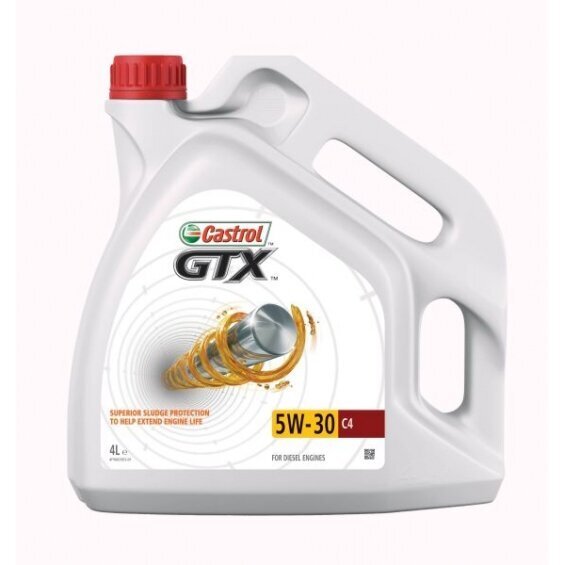
| Castrol GTX 5W-30 C4 | |
|---|---|
| ACEA C4 | ✔ |
| MB-Approval 226.51 | ✔ |
| Renault RN0720 | ✔ |

| Mobil Super 3000 Formula R 5W-30 | |
|---|---|
| ACEA C4 | ✔ |
| MB-Approval 226.51 | ✔ |
| Renault RN0720 | ✔ |
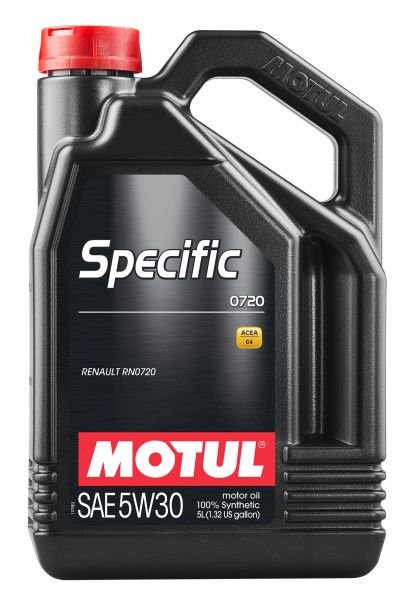
| Motul Specific 0720 5W-30 C4 | |
|---|---|
| ACEA C4 | ✔ |
| MB-Approval 226.51 | ✔ |
| Renault RN0720 | ✔ |
| Granville FS-R 5W-30 | |
|---|---|
| ACEA C4 | ✔ |
| MB-Approval 226.51 | ✔ |
| Renault RN0720 | ✔ |
Oil specification key
✔ – Meets the required specification
❓ – Not explicitly stated (use caution; check your vehicle manual)
❌ – Does not meet required specification. Use may cause engine issues.
✔ – Meets the required specification
❓ – Not explicitly stated (use caution; check your vehicle manual)
❌ – Does not meet required specification. Use may cause engine issues.
As an Amazon Associate, we may earn from qualifying purchases.
Answer generated by AI.
Oil specifications for 812 engine
ACEA C4
ACEA C5
API SN
API SM
SAE 5W-30
SAE 5W-40
RN0700
RN0710
Most common problems, symptoms & fixes for the 812 engine.
Engine 812
Symptoms:
- Loss of power and reduced acceleration.
- Excessive smoke from the exhaust, particularly black or blue smoke.
- Engine warning light illuminated on the dashboard.
- Rough idling or stalling during operation.
- Increased fuel consumption.
- Difficulty starting the engine, especially in cold conditions.
Diagnosis:
- Check for fault codes using an OBD-II scanner to identify specific sensor or system failures.
- Inspect the diesel particulate filter (DPF) for clogging or regeneration issues, especially in DPF-equipped models.
- Examine the turbocharger for signs of wear or failure, such as unusual noises or reduced boost pressure.
- Test the fuel injection system, including injectors and high-pressure fuel pump, for leaks or malfunction.
- Verify the condition of the EGR (Exhaust Gas Recirculation) valve for clogging or sticking.
- Assess the timing belt condition and tension, as failure can cause severe engine damage.
- Check for oil leaks and ensure proper oil quality and level.
Fixes:
- Perform DPF cleaning or replacement if clogged; initiate forced regeneration if applicable.
- Replace faulty sensors or actuators identified by diagnostic codes.
- Repair or replace the turbocharger if damaged.
- Clean or replace the EGR valve to restore proper function.
- Service or replace fuel injectors and fuel pump components as needed.
- Replace the timing belt at recommended intervals to prevent catastrophic failure.
- Address oil leaks promptly and use manufacturer-specified oil grades.
Prevention:
- Adhere strictly to scheduled maintenance intervals, including oil and filter changes.
- Use high-quality diesel fuel to minimize injector and DPF contamination.
- Avoid frequent short trips that prevent the DPF from reaching regeneration temperature.
- Monitor engine performance regularly and address warning signs early.
- Follow manufacturer guidelines for timing belt replacement.
- Keep the cooling system in good condition to prevent overheating.
- Use diagnostic tools periodically to detect issues before they escalate.
Symptoms:
- Loss of power and reduced acceleration.
- Excessive smoke from the exhaust, particularly black or blue smoke.
- Engine warning light illuminated on the dashboard.
- Rough idling or stalling during operation.
- Increased fuel consumption.
- Difficulty starting the engine, especially in cold conditions.
Diagnosis:
- Check for fault codes using an OBD-II scanner to identify specific sensor or system failures.
- Inspect the diesel particulate filter (DPF) for clogging or regeneration issues, especially in DPF-equipped models.
- Examine the turbocharger for signs of wear or failure, such as unusual noises or reduced boost pressure.
- Test the fuel injection system, including injectors and high-pressure fuel pump, for leaks or malfunction.
- Verify the condition of the EGR (Exhaust Gas Recirculation) valve for clogging or sticking.
- Assess the timing belt condition and tension, as failure can cause severe engine damage.
- Check for oil leaks and ensure proper oil quality and level.
Fixes:
- Perform DPF cleaning or replacement if clogged; initiate forced regeneration if applicable.
- Replace faulty sensors or actuators identified by diagnostic codes.
- Repair or replace the turbocharger if damaged.
- Clean or replace the EGR valve to restore proper function.
- Service or replace fuel injectors and fuel pump components as needed.
- Replace the timing belt at recommended intervals to prevent catastrophic failure.
- Address oil leaks promptly and use manufacturer-specified oil grades.
Prevention:
- Adhere strictly to scheduled maintenance intervals, including oil and filter changes.
- Use high-quality diesel fuel to minimize injector and DPF contamination.
- Avoid frequent short trips that prevent the DPF from reaching regeneration temperature.
- Monitor engine performance regularly and address warning signs early.
- Follow manufacturer guidelines for timing belt replacement.
- Keep the cooling system in good condition to prevent overheating.
- Use diagnostic tools periodically to detect issues before they escalate.