Engine code
Vehicles using 55282328 engine list:
Which cars use the 55282328 engine and what oil to use. Common 55282328 engine faults, symptoms, diagnosis, prevention and repair.
- FIAT - 500X 1.3 (110kW) 2018–2020
- JEEP - Renegade 1.3 T (110kW) 2018–2020
- JEEP - Renegade 1.3 T 4x4 (132kW) 2018–2020
- JEEP - Compass 1.3 (96kW) 2020–2021
- JEEP - Compass 1.3 (110kW) 2020–2021
- JEEP - Compass 1.3 (96kW) 2021–2025
- JEEP - Compass 1.3 (110kW) 2021–2025
Recommended oil for engine 55282328 engine.
Ask AI about any Engine code
Questions strictly about engine codes (brand/model/engine type/production years).

| Castrol MAGNATEC 0W‑30 C2 | |
|---|---|
| ACEA C2 | ✔ |
| PSA B71‑2312 | ✔ |
| Fiat 9.55535‑DS1 / GS1 | ✔ |
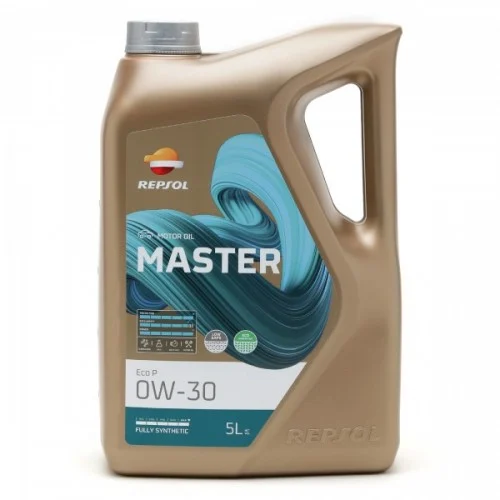
| Repsol Master ECO‑P 0W‑30 | |
|---|---|
| ACEA C2 | ✔ |
| PSA B71‑2312 | ✔ |
| Fiat 9.55535‑DS1 / GS1 | ✔ |

| Motul SPECIFIC 2312 0W‑30 | |
|---|---|
| ACEA C2 | ✔ |
| PSA B71‑2312 | ✔ |
| Fiat 9.55535‑DS1 / GS1 | ✔ |

| Total Quartz Ineo First 0W‑30 | |
|---|---|
| ACEA C2 | ✔ |
| PSA B71‑2312 | ✔ |
| Fiat 9.55535‑DS1 / GS1 | ✔ |
Oil specification key
✔ – Meets the required specification
❓ – Not explicitly stated (use caution; check your vehicle manual)
❌ – Does not meet required specification. Use may cause engine issues.
✔ – Meets the required specification
❓ – Not explicitly stated (use caution; check your vehicle manual)
❌ – Does not meet required specification. Use may cause engine issues.
As an Amazon Associate, we may earn from qualifying purchases.
Answer generated by AI.
Oil specifications for 55282328 engine
SAE 0W-20
ACEA C2
API SN
Fiat 9.55535-S3
Most common problems, symptoms & fixes for the 55282328 engine.
Engine 55282328 commonly faces issues like carbon buildup on intake valves due to direct injection, causing rough idling and reduced performance. Diagnosis involves checking for misfires and using a borescope for valve inspection. Prevent carbon buildup by using high-quality fuel and performing periodic intake cleaning. Turbocharger faults may occur; listen for unusual noises and check boost pressure. Regular oil changes with manufacturer-recommended oil prevent turbo and engine wear. Timing chain tensioner wear can cause rattling; early detection via noise inspection is key. Address issues promptly to avoid costly repairs. Software updates from dealers can improve engine management and reliability.