Engine code
Vehicles using 16SV engine list:
Which cars use the 16SV engine and what oil to use. Common 16SV engine faults, symptoms, diagnosis, prevention and repair.
- OPEL - Kadett 1.6S (60kW) 1987–1991
- OPEL - Vectra 1.6S (60kW) 1988–1995
- VAUXHALL - Astra / Belmont 1.6S (60kW) 1987–1991
Recommended oil for engine 16SV engine.
Ask AI about any Engine code
Questions strictly about engine codes (brand/model/engine type/production years).
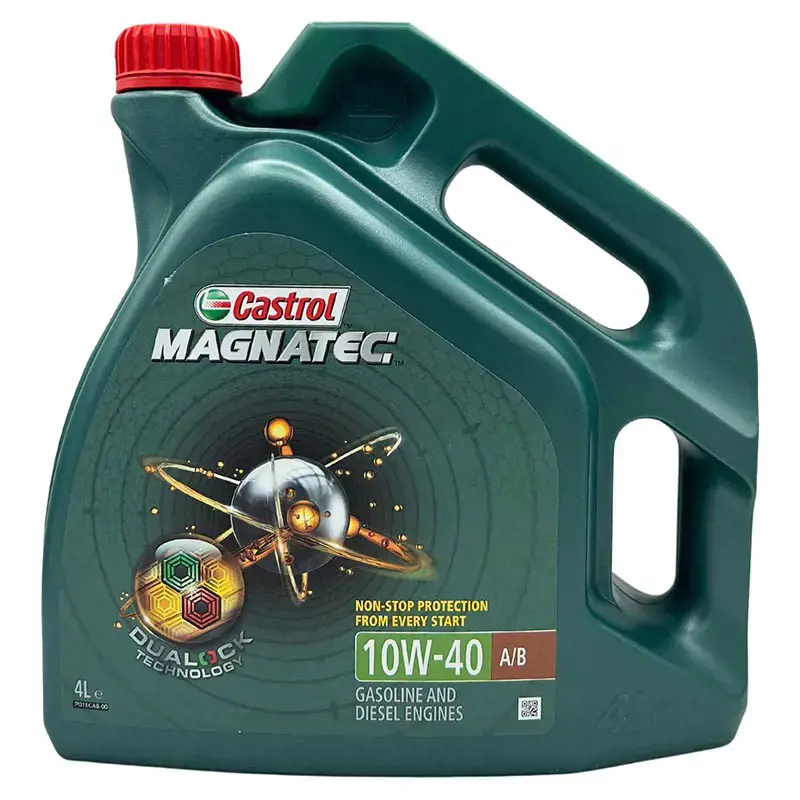
| Castrol MAGNATEC 10W‑40 A/B | |
|---|---|
| SAE 10W‑40 | ✔ |
| ACEA A3/B4 | ✔ |
| API SP | ✔ |
| MB‑Approval 226.5/229.3 | ✔ |
| Renault RN0700 / RN0710 | ✔ |
| VW 501 01 / 505 00 | ✔ |
| Fiat 9.55535‑D2 | ✔ |
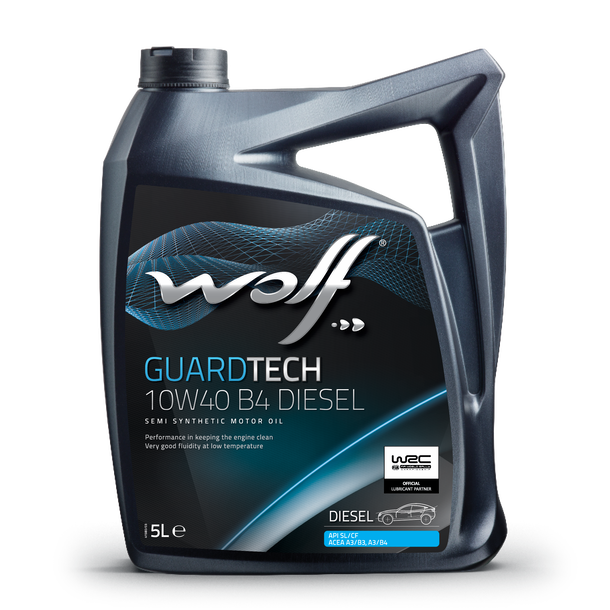
| Wolf GuardTech 10W‑40 B4 | |
|---|---|
| ACEA A3/B4 | ✔ |
| API SN | ✔ |
| MB‑Approval 229.1 | ❓ |
| Renault RN0700 / RN0710 | ✔ |
| VW 501 01 / 505 00 | ✔ |
| Fiat 9.55535‑D2 | ✔ |
| Champion Active Defence 10W‑40 B4 | |
|---|---|
| ACEA A3/B4 | ✔ |
| API SN | ✔ |
| MB‑Approval 229.1 | ❓ |
| Renault RN0700 / RN0710 | ✔ |
| VW 501 01 / 505 00 | ✔ |
| Fiat 9.55535‑D2 | ✔ |
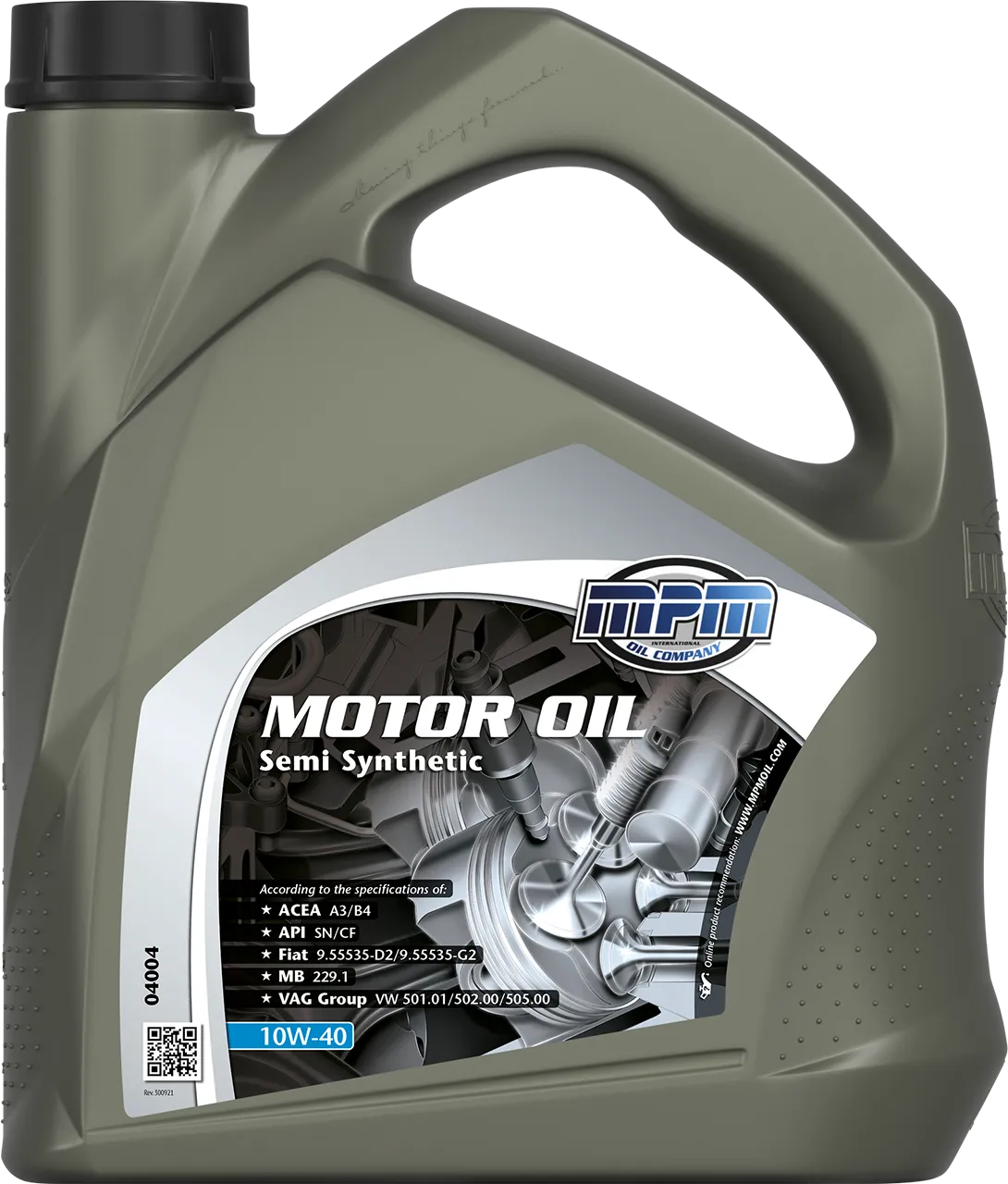
| MPM Part Synthetic 10W‑40 | |
|---|---|
| ACEA A3/B4 | ✔ |
| API SN/CF | ✔ |
| MB‑Approval 229.3 | ❓ |
| Renault RN0700 / RN0710 | ✔ |
| VW 501 01 / 505 00 | ✔ |
| Fiat 9.55535‑D2 | ✔ |
Oil specification key
✔ – Meets the required specification
❓ – Not explicitly stated (use caution; check your vehicle manual)
❌ – Does not meet required specification. Use may cause engine issues.
✔ – Meets the required specification
❓ – Not explicitly stated (use caution; check your vehicle manual)
❌ – Does not meet required specification. Use may cause engine issues.
As an Amazon Associate, we may earn from qualifying purchases.
Answer generated by AI.
Oil specifications for 16SV engine
SAE 10W-40
API SJ
Most common problems, symptoms & fixes for the 16SV engine.
Engine 16SV
Symptoms:
- Rough idling and hesitation during acceleration
- Engine misfires or stalling at low RPM
- Reduced fuel efficiency and power output
- Occasional hard starting, especially when cold
- Unusual noises such as knocking or ticking from the engine bay
Diagnosis:
- Check ignition components: spark plugs, ignition coils, and distributor cap for wear or damage
- Inspect fuel delivery system including fuel filter and injectors for clogging or leaks
- Examine vacuum hoses and intake manifold for leaks causing air-fuel mixture imbalance
- Test the timing belt condition and tension; worn or loose belts can cause timing issues
- Perform compression test to assess cylinder health and detect valve or piston ring problems
- Scan for any stored fault codes if equipped with early engine management systems
Fixes:
- Replace worn spark plugs and ignition components to restore proper firing
- Clean or replace clogged fuel injectors and fuel filter to ensure adequate fuel flow
- Repair or replace cracked or disconnected vacuum hoses to eliminate air leaks
- Replace timing belt and associated tensioners as per maintenance schedule or if damaged
- Address any mechanical issues found during compression testing, such as valve adjustment or piston ring replacement
- Regularly change engine oil and use recommended grades to maintain lubrication and reduce wear
Prevention:
- Follow manufacturer’s recommended maintenance intervals for timing belt, spark plugs, and fuel system servicing
- Use quality fuel and oil to prevent deposits and premature wear
- Regularly inspect and replace air and fuel filters to maintain clean airflow and fuel delivery
- Avoid prolonged idling and harsh driving to reduce engine stress
- Monitor engine performance and address minor issues promptly before they escalate into major repairs
Symptoms:
- Rough idling and hesitation during acceleration
- Engine misfires or stalling at low RPM
- Reduced fuel efficiency and power output
- Occasional hard starting, especially when cold
- Unusual noises such as knocking or ticking from the engine bay
Diagnosis:
- Check ignition components: spark plugs, ignition coils, and distributor cap for wear or damage
- Inspect fuel delivery system including fuel filter and injectors for clogging or leaks
- Examine vacuum hoses and intake manifold for leaks causing air-fuel mixture imbalance
- Test the timing belt condition and tension; worn or loose belts can cause timing issues
- Perform compression test to assess cylinder health and detect valve or piston ring problems
- Scan for any stored fault codes if equipped with early engine management systems
Fixes:
- Replace worn spark plugs and ignition components to restore proper firing
- Clean or replace clogged fuel injectors and fuel filter to ensure adequate fuel flow
- Repair or replace cracked or disconnected vacuum hoses to eliminate air leaks
- Replace timing belt and associated tensioners as per maintenance schedule or if damaged
- Address any mechanical issues found during compression testing, such as valve adjustment or piston ring replacement
- Regularly change engine oil and use recommended grades to maintain lubrication and reduce wear
Prevention:
- Follow manufacturer’s recommended maintenance intervals for timing belt, spark plugs, and fuel system servicing
- Use quality fuel and oil to prevent deposits and premature wear
- Regularly inspect and replace air and fuel filters to maintain clean airflow and fuel delivery
- Avoid prolonged idling and harsh driving to reduce engine stress
- Monitor engine performance and address minor issues promptly before they escalate into major repairs