M 660.950 motorral szerelt járművek listája:
Ajánlott motorolaj a motorhoz M 660.950 motor leggyakoribb problémái, tünetei és javítási megoldásai.
Kérdezd meg a MI-t bármely motorkódról
Csak motorkódokkal kapcsolatos kérdések (márka/modell/motortípus/gyártási évek).

| Castrol MAGNATEC 5W‑30 C3 | |
|---|---|
| SAE 5W‑30 | ✔ |
| ACEA C3 | ✔ |
| API SN/CF | ✔ |
| BMW Longlife‑04 | ✔ |
| MB‑Approval 226.5 / 229.31 / 229.51 / 229.52 | ✔ |
| Opel OV 0401547‑D30 / G30 | ✔ |
| Fiat 9.55535‑S3 | ✔ |
| Renault RN0700 / RN0710 | ✔ |
| VW 505.00 / 505.01 | ✔ |
| dexos2 | ✔ |

| Liqui‑Moly Chrome C3 5W‑30 | |
|---|---|
| SAE 5W‑30 | ✔ |
| ACEA C3 | ✔ |
| API SN/CF | ✔ |
| BMW Longlife‑04 | ❌ |
| MB‑Approval 226.5 / 229.31 / 229.51 / 229.52 | ✔ |
| Opel OV 0401547‑D30 / G30 | ✔ |
| Fiat 9.55535‑S3 | ✔ |
| Renault RN0700 / RN0710 | ✔ |
| VW 505.00 / 505.01 | ✔ |
| dexos2 | ✔ |

| Ridex Plus Active Energy C2/C3 5W‑30 | |
|---|---|
| SAE 5W‑30 | ✔ |
| ACEA C3 | ✔ |
| API SN/CF | ✔ |
| BMW Longlife‑04 | ✔ |
| MB‑Approval 226.5 / 229.31 / 229.51 / 229.52 | ✔ |
| Opel OV 0401547‑D30 / G30 | ✔ |
| Fiat 9.55535‑S3 | ❌ |
| Renault RN0700 / RN0710 | ✔ |
| VW 505.00 / 505.01 | ✔ |
| dexos2 | ✔ |
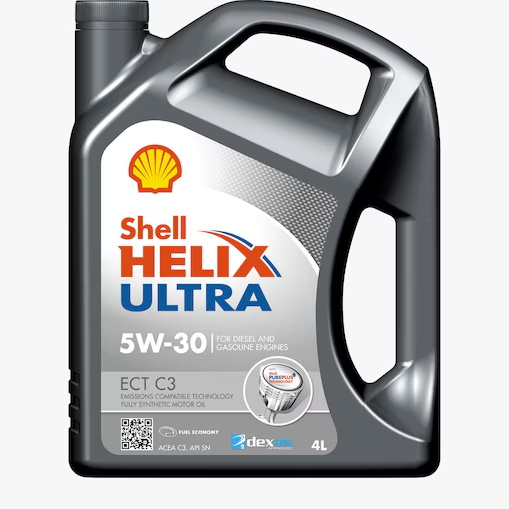
| Shell Helix Ultra ECT C3 5W‑30 | |
|---|---|
| SAE 5W‑30 | ✔ |
| ACEA C3 | ✔ |
| API SN/CF | ✔ |
| BMW Longlife‑04 | ✔ |
| MB‑Approval 226.5 / 229.31 / 229.51 / 229.52 | ✔ |
| Opel OV 0401547‑D30 / G30 | ✔ |
| Fiat 9.55535‑S3 | ✔ |
| Renault RN0700 / RN0710 | ✔ |
| VW 505.00 / 505.01 | ✔ |
| dexos2 | ❓ |
Olajspecifikációk jelmagyarázata
✔ – Megfelel az előírt specifikációnak
❓ – Nincs kifejezetten feltüntetve (óvatosan: ellenőrizd a jármű kézikönyvét)
❌ – Nem felel meg az előírt specifikációnak. Használata motorproblémákat okozhat.
✔ – Megfelel az előírt specifikációnak
❓ – Nincs kifejezetten feltüntetve (óvatosan: ellenőrizd a jármű kézikönyvét)
❌ – Nem felel meg az előírt specifikációnak. Használata motorproblémákat okozhat.
A választ az MI generálta.
Motorolaj-specifikációk M 660.950 motor
SAE 5W-40
ACEA C3
MB 229.51
VW 505.01
A M 660.950 motor.
Engine M 660.950
Symptoms:
- Reduced engine power and sluggish acceleration
- Excessive smoke from the exhaust, particularly black or white smoke
- Engine warning light (MIL) illuminated on the dashboard
- Rough idling or stalling, especially when cold
- Increased fuel consumption
- Difficulty starting the engine or misfires
Diagnosis:
- Check for fault codes using an OBD-II scanner to identify sensor or injector issues
- Inspect the turbocharger for signs of wear or damage, as turbo failure is common
- Examine the diesel particulate filter (DPF) status, especially on models equipped with DPF
- Test the glow plugs and glow plug relay for proper operation
- Inspect the fuel injectors for clogging or leaks
- Check for vacuum leaks or intake manifold issues that can affect air supply
- Verify the condition of the EGR (Exhaust Gas Recirculation) valve, which can become clogged
Fixes:
- Replace faulty sensors such as the MAF (Mass Air Flow) or MAP (Manifold Absolute Pressure) sensor
- Clean or replace the DPF if it is clogged; perform a forced regeneration if possible
- Repair or replace the turbocharger if damaged or worn
- Replace faulty glow plugs to improve cold starts
- Clean or replace fuel injectors to restore proper fuel delivery
- Repair vacuum leaks and clean the intake manifold and EGR valve to ensure proper airflow
- Update engine control software if recommended by the manufacturer
Prevention:
- Use high-quality diesel fuel and perform regular fuel filter changes to prevent injector clogging
- Follow the manufacturer’s recommended oil change intervals using the correct oil grade
- Avoid frequent short trips to allow the DPF to regenerate properly
- Regularly inspect and maintain the turbocharger and intake system
- Periodically check and clean the EGR valve to prevent carbon buildup
- Address engine warning lights promptly to avoid further damage
-NO INFO-
Symptoms:
- Reduced engine power and sluggish acceleration
- Excessive smoke from the exhaust, particularly black or white smoke
- Engine warning light (MIL) illuminated on the dashboard
- Rough idling or stalling, especially when cold
- Increased fuel consumption
- Difficulty starting the engine or misfires
Diagnosis:
- Check for fault codes using an OBD-II scanner to identify sensor or injector issues
- Inspect the turbocharger for signs of wear or damage, as turbo failure is common
- Examine the diesel particulate filter (DPF) status, especially on models equipped with DPF
- Test the glow plugs and glow plug relay for proper operation
- Inspect the fuel injectors for clogging or leaks
- Check for vacuum leaks or intake manifold issues that can affect air supply
- Verify the condition of the EGR (Exhaust Gas Recirculation) valve, which can become clogged
Fixes:
- Replace faulty sensors such as the MAF (Mass Air Flow) or MAP (Manifold Absolute Pressure) sensor
- Clean or replace the DPF if it is clogged; perform a forced regeneration if possible
- Repair or replace the turbocharger if damaged or worn
- Replace faulty glow plugs to improve cold starts
- Clean or replace fuel injectors to restore proper fuel delivery
- Repair vacuum leaks and clean the intake manifold and EGR valve to ensure proper airflow
- Update engine control software if recommended by the manufacturer
Prevention:
- Use high-quality diesel fuel and perform regular fuel filter changes to prevent injector clogging
- Follow the manufacturer’s recommended oil change intervals using the correct oil grade
- Avoid frequent short trips to allow the DPF to regenerate properly
- Regularly inspect and maintain the turbocharger and intake system
- Periodically check and clean the EGR valve to prevent carbon buildup
- Address engine warning lights promptly to avoid further damage
-NO INFO-