Vehicles using OM654.820 engine list:
- MERCEDES_BENZ - C 220 d (147kW) 2021–2025
- MERCEDES_BENZ - C 300 d (195kW) 2021–2025
- MERCEDES_BENZ - C 200 d (120kW) 2021–2025
- MERCEDES_BENZ - C 300 de (145kW) 2022–2025
- MERCEDES_BENZ - CLE 220 d (145kW) 2023–2025
- MERCEDES_BENZ - E 220 d (145kW) 2023–2025
- MERCEDES_BENZ - E 220 d 4MATIC (145kW) 2023–2025
- MERCEDES_BENZ - E 300 de (145kW) 2023–2025
- MERCEDES_BENZ - E 300 de 4MATIC (145kW) 2023–2025
- MERCEDES_BENZ - GLE 350 de 4MATIC (245kW) 2023–2025
- MERCEDES_BENZ - GLE 350 de 4MATIC Coupé (245kW) 2023–2025
- MERCEDES_BENZ - GLE 300 d 4MATIC (198kW) 2023–2025
- MERCEDES_BENZ - GLE 300 d 4MATIC Coupé (198kW) 2023–2025
Recommended oil for engine OM654.820 engine.
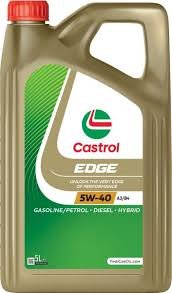
| Castrol EDGE 5W-40 A3/B4 | |
|---|---|
| ACEA A3/B4 | ✔ |
| API SP | ✔ |
| BMW Longlife-01 | ✔ |
| MB 229.3 / 229.5 / 226.5 | ✔ |
| Porsche A40 | ✔ |
| Renault RN0700 / RN0710 | ✔ |
| VW 502 00 / 505 00 | ✔ |
| Chrysler MS-12991 | ✔ |

| Ravenol VST 5W‑40 | |
|---|---|
| ACEA A3/B4 | ✔ |
| API SP | ✔ |
| BMW Longlife‑01 | ✔ |
| MB 229.5 / 226.5 | ✔ |
| Porsche A40 | ✔ |
| VW 502.00 / 505.00 | ✔ |
| Renault RN0700/0710 | ✔ |
| Chrysler MS‑12991 | ✔ |

| Mobil 1 FS 5W‑40 | |
|---|---|
| ACEA A3/B3/B4 | ✔ |
| API SN/SM/CF | ✔ |
| BMW Longlife‑01 | ✔ |
| MB 229.3 / 229.5 | ✔ |
| Porsche A40 | ✔ |
| VW 502.00 / 505.00 | ✔ |
| Renault RN0700/0710 | ✔ |
| Chrysler MS‑12991 | ✔ |

| Liqui Moly High Tech 5W‑40 | |
|---|---|
| ACEA A3/B4 | ✔ |
| API SN/CF | ✔ |
| BMW Longlife‑01 | ✔ |
| MB 229.5 | ✔ |
| Porsche A40 | ✔ |
| VW 502.00 / 505.00 | ✔ |
| Renault RN0700/0710 | ✔ |
| Chrysler MS‑12991 | ✔ |
Oil specification key
✔ – Meets the required specification
❓ – Not explicitly stated (use caution; check your vehicle manual)
❌ – Does not meet required specification. Use may cause engine issues.
✔ – Meets the required specification
❓ – Not explicitly stated (use caution; check your vehicle manual)
❌ – Does not meet required specification. Use may cause engine issues.
Answer generated by AI.
Oil specifications for OM654.820 engine
SAE 0W-30
ACEA C3
MB 229.52
Most common problems, symptoms & fixes for the OM654.820 engine.
Engine OM654.820
Symptoms:
- Rough idling or engine misfire
- Loss of power or reduced fuel efficiency
- Warning lights on the dashboard, such as the check engine light
- Excessive smoke from the exhaust, particularly black or blue smoke
- Unusual noises from the engine bay, including knocking or ticking sounds
Diagnosis:
- Use an OBD-II scanner to retrieve fault codes related to fuel injection, turbocharger, or emission control systems.
- Inspect the diesel particulate filter (DPF) for clogging or regeneration issues.
- Check the turbocharger for shaft play or oil leaks.
- Examine the high-pressure fuel pump and injectors for wear or malfunction.
- Verify the condition of the EGR (Exhaust Gas Recirculation) valve for carbon buildup or sticking.
- Perform a compression test to assess cylinder health.
Fixes:
- Clean or replace the diesel particulate filter if clogged.
- Repair or replace faulty fuel injectors or the high-pressure fuel pump.
- Service or replace the turbocharger if damaged or leaking.
- Clean or replace the EGR valve to restore proper function.
- Update engine control software to the latest version to address known issues.
- Replace worn timing chain components if timing-related noises are present.
- Use manufacturer-approved diesel fuel and additives to maintain injector cleanliness.
Prevention:
- Adhere to regular maintenance schedules, including timely oil and filter changes using approved lubricants.
- Use high-quality diesel fuel to minimize injector and DPF contamination.
- Avoid frequent short trips that prevent the DPF from reaching regeneration temperature.
- Monitor and address warning lights promptly to prevent further engine damage.
- Ensure software updates are applied during servicing to optimize engine performance and emissions control.
- Periodically inspect turbocharger and EGR components for early signs of wear or blockage.
By following these diagnostic steps, fixes, and preventive measures, owners of vehicles equipped with the OM654.820 engine can maintain optimal performance and longevity.
Symptoms:
- Rough idling or engine misfire
- Loss of power or reduced fuel efficiency
- Warning lights on the dashboard, such as the check engine light
- Excessive smoke from the exhaust, particularly black or blue smoke
- Unusual noises from the engine bay, including knocking or ticking sounds
Diagnosis:
- Use an OBD-II scanner to retrieve fault codes related to fuel injection, turbocharger, or emission control systems.
- Inspect the diesel particulate filter (DPF) for clogging or regeneration issues.
- Check the turbocharger for shaft play or oil leaks.
- Examine the high-pressure fuel pump and injectors for wear or malfunction.
- Verify the condition of the EGR (Exhaust Gas Recirculation) valve for carbon buildup or sticking.
- Perform a compression test to assess cylinder health.
Fixes:
- Clean or replace the diesel particulate filter if clogged.
- Repair or replace faulty fuel injectors or the high-pressure fuel pump.
- Service or replace the turbocharger if damaged or leaking.
- Clean or replace the EGR valve to restore proper function.
- Update engine control software to the latest version to address known issues.
- Replace worn timing chain components if timing-related noises are present.
- Use manufacturer-approved diesel fuel and additives to maintain injector cleanliness.
Prevention:
- Adhere to regular maintenance schedules, including timely oil and filter changes using approved lubricants.
- Use high-quality diesel fuel to minimize injector and DPF contamination.
- Avoid frequent short trips that prevent the DPF from reaching regeneration temperature.
- Monitor and address warning lights promptly to prevent further engine damage.
- Ensure software updates are applied during servicing to optimize engine performance and emissions control.
- Periodically inspect turbocharger and EGR components for early signs of wear or blockage.
By following these diagnostic steps, fixes, and preventive measures, owners of vehicles equipped with the OM654.820 engine can maintain optimal performance and longevity.